




Chemical Composition
|
Chemical |
Fe |
C |
Si |
Mn |
S |
|
Spec (%) |
99.96Min. |
0.0015Max. |
0.003Max. |
0.02Max. |
0.003Max. |
|
Chemical |
p |
Al |
Cu |
Ni |
Cr |
|
Spec (%) |
0.003Max. |
0.006Max. |
0.009Max. |
0.005Max. |
0.007Max |
Comprehensive Overview
Furnace-Grade Pure Iron Ingots with High Purity:
Furnace-grade pure iron ingots with high purity are a vital product in the metal manufacturing industry. These ingots are produced through highly controlled refining and smelting processes to ensure that the iron content exceeds 99.99%, making it suitable for applications that demand the highest standards of material performance. The uniqueness of furnace-grade pure iron ingots lies in their exceptional purity, low impurity levels, and versatility in a wide range of industrial uses. This overview will delve into the characteristics, manufacturing processes, and applications of these high-purity ingots.
What is Furnace-Grade Pure Iron?
Furnace-grade pure iron refers to iron ingots that are produced with extremely high purity levels, typically greater than 99.99%. These ingots are carefully manufactured through sophisticated melting, refining, and purification methods. The main distinguishing feature of furnace-grade pure iron is its remarkably low concentration of impurities such as carbon, sulfur, and phosphorus. It is a premium material that is used when the specific properties of iron are critical, especially where high purity is essential for performance, precision, and reliability.
Production Process of Furnace-Grade Pure Iron Ingots
The manufacturing process of furnace-grade pure iron ingots involves several stages designed to remove impurities from raw iron:
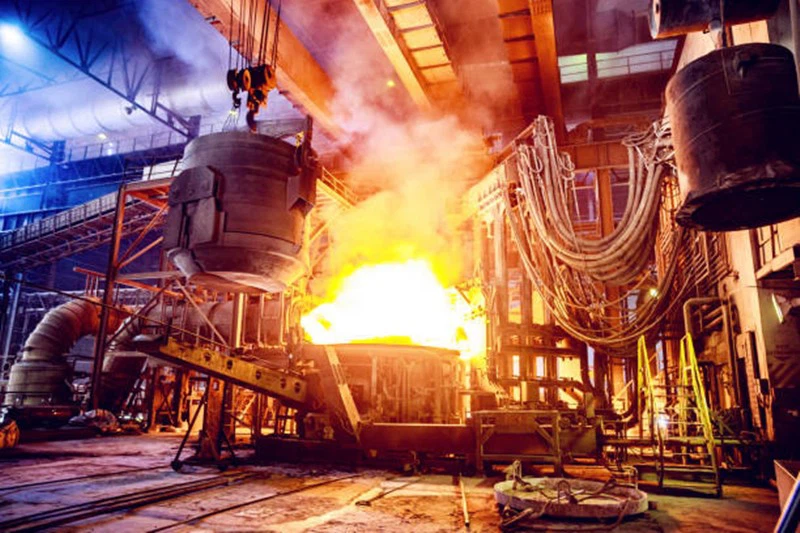
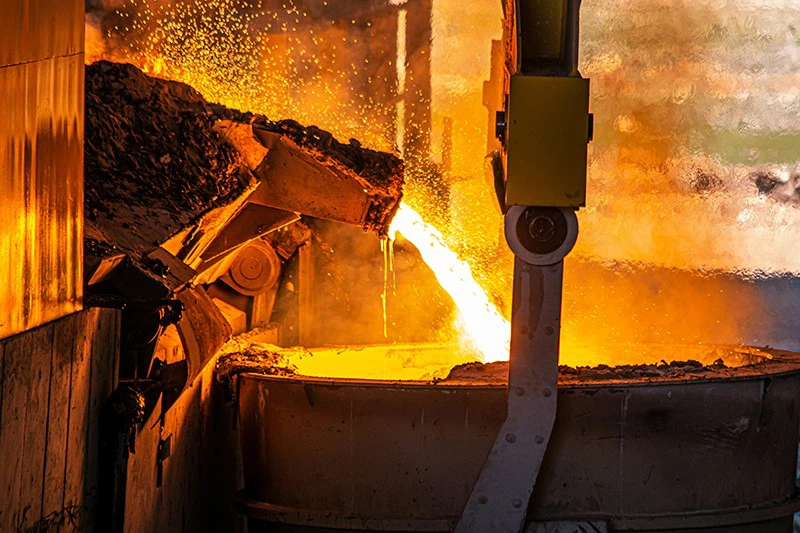
Smelting and Refining: The production begins with the smelting of iron ore, typically in an electric arc furnace (EAF) or blast furnace. The iron ore is melted at high temperatures and combined with other materials such as coke and flux to remove impurities. Through the refining process, molten iron is treated to lower carbon and other unwanted elements, which can otherwise affect its properties.
Vacuum Degassing: After the primary refining, the molten iron undergoes vacuum degassing or other advanced techniques to reduce the dissolved gases (such as hydrogen and nitrogen), which may affect the quality of the final product. This step ensures that the iron has minimal internal impurities.
Casting: Once the purity has been confirmed, the purified molten iron is cast into ingots using molds. The ingots are then cooled, solidified, and ready for further processing. These furnace-grade pure iron ingots are available in various sizes, including rectangular, square, and round forms, depending on their intended use.
Inspection and Quality Control: After the casting process, the ingots are rigorously tested for purity, composition, and structural integrity. Advanced techniques such as optical emission spectrometry (OES) or inductively coupled plasma (ICP) analysis are used to determine the precise chemical composition of each batch. This ensures that only ingots meeting the highest standards of purity and quality are delivered to customers.
Key Properties of Furnace-Grade Pure Iron Ingots
Furnace-grade pure iron ingots possess several key properties that make them invaluable in various industries:
High Purity: These ingots are primarily composed of iron with purity levels often exceeding 99.99%. The removal of impurities such as carbon, sulfur, and phosphorus significantly enhances the material's mechanical and magnetic properties.
Magnetic Properties: Pure iron has excellent soft magnetic properties, including high permeability and low coercivity. This makes it highly suitable for applications in electromagnetism, such as in transformers, inductors, and other electrical components.
Ductility and Malleability: Furnace-grade pure iron is more ductile and malleable compared to other types of iron. This property allows it to be easily processed into different shapes and used in complex manufacturing processes.
High Strength and Durability: Although relatively soft compared to alloy steels, furnace-grade pure iron provides outstanding resistance to corrosion, fatigue, and wear, making it a reliable choice for specialized applications.
Low Carbon Content: The carbon content in furnace-grade pure iron is typically less than 0.003%, making it an ideal material for applications where high strength and low carbon content are crucial, such as in precision alloy production.

Applications of Furnace-Grade Pure Iron Ingots
The high purity and exceptional properties of furnace-grade pure iron make it suitable for various demanding applications across industries. Some of the key uses of high-purity furnace-grade iron include:
Electromagnetic Devices: Furnace-grade pure iron is widely used in the manufacture of electromagnetic components such as transformers, motors, and inductors. Its excellent magnetic properties ensure efficient energy conversion and power distribution in electrical systems.
Precision Alloys: Pure iron is used as a base material in the production of precision alloys for industries requiring high-performance materials. These alloys are employed in aerospace, automotive, and military applications where precise specifications are critical.
High-End Manufacturing: The exceptional mechanical properties and high strength of furnace-grade pure iron make it ideal for high-end manufacturing processes. It is often used in the production of critical components such as bearings, gears, and other machine parts, which require superior durability and wear resistance.
Aerospace Industry: In aerospace, high-purity iron is used for creating components that must withstand extreme conditions, including high temperatures and mechanical stresses. This includes parts in aircraft engines and landing gear systems.
Steelmaking and Metallurgical Applications: Furnace-grade pure iron is frequently used in steelmaking processes to produce high-quality steel. The iron serves as a key raw material to improve the overall purity and properties of the final steel product.
High-Performance Magnetic Shielding: In advanced electronic and communication devices, furnace-grade pure iron is used for magnetic shielding. Its excellent magnetic properties allow it to effectively block interference from external magnetic fields, ensuring the proper operation of sensitive devices.
Environmental Considerations
The production of furnace-grade pure iron is not only an advanced technical process but also one that prioritizes sustainability and environmental responsibility. Modern production methods incorporate energy-efficient technologies, which reduce carbon emissions and other environmental impacts. Furthermore, furnace-grade pure iron is highly recyclable, making it a sustainable material choice in industries aiming to minimize their carbon footprint.



FAQ
Package
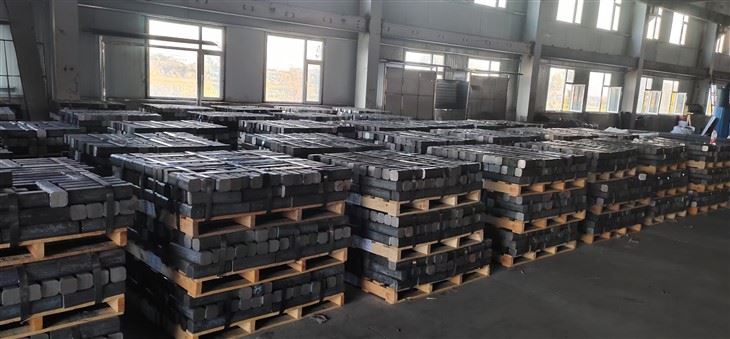
Pure iron is typically packaged with rust-preventive oil, wrapped in plastic film, and secured with plastic or metal straps. It is then placed on wooden pallets or in wooden crates, sometimes using moisture-proof paper or vacuum packaging for extra protection during transportation and storage.

Transportation
At Taiyuan Xinye Taiming Manufacturing and Processing Co., Ltd., we efficiently deliver products worldwide, handle shipping and customs clearance, and ensure fast, safe, and hassle-free transportation to all parts of the world.

Partner
We are proud to have established strong, trusted partnerships with leading steel companies. These alliances have enabled us to enhance our operations, ensure the delivery of top-quality products, and maintain our industry leadership, driving excellence and innovation.


