


Electrolytic Sheets
Taiyuan Xinye Taiming Manufacturing and Processing Co., Ltd. is located in Taiyuan City, Shanxi Province, covering an area of 3000 square meters, with a number of advanced production lines, equipped with precision processing equipment and efficient production technology. Company existing staff of 50 people, including technical staff, production workers and management team, they experienced, skilled, can guarantee the stability of the production process and product quality and reliable.
1. Rich Experience
Taiyuan Xinye Taiming Manufacturing and Processing Co., Ltd. was established in October 2022. As a professional engaged in the pure iron processing and sales of enterprises, we are committed to providing customers with high quality pure iron products and excellent service.
2. Reliable Product Quality
The company has advanced production equipment and technical force, which can efficiently and accurately process all kinds of pure iron products. We not only provide standard specifications of pure iron products, but also can be customized according to the specific needs of customers to meet the individual requirements of different customers.
3. Professional Technical Team
Company existing staff of 50 people, including technical staff, production workers and management team, they experienced, skilled, can guarantee the stability of the production process and product quality and reliable.
4. Strong Production Capacity
Customer satisfaction is our eternal pursuit. We always adhere to the customer-centered service concept and strive to provide customers with high-quality products and excellent service. We have a specialized customer service department, responsible for handling customer inquiries, complaints and after-sales service, to ensure that customer problems can be solved in a timely and effective manner.
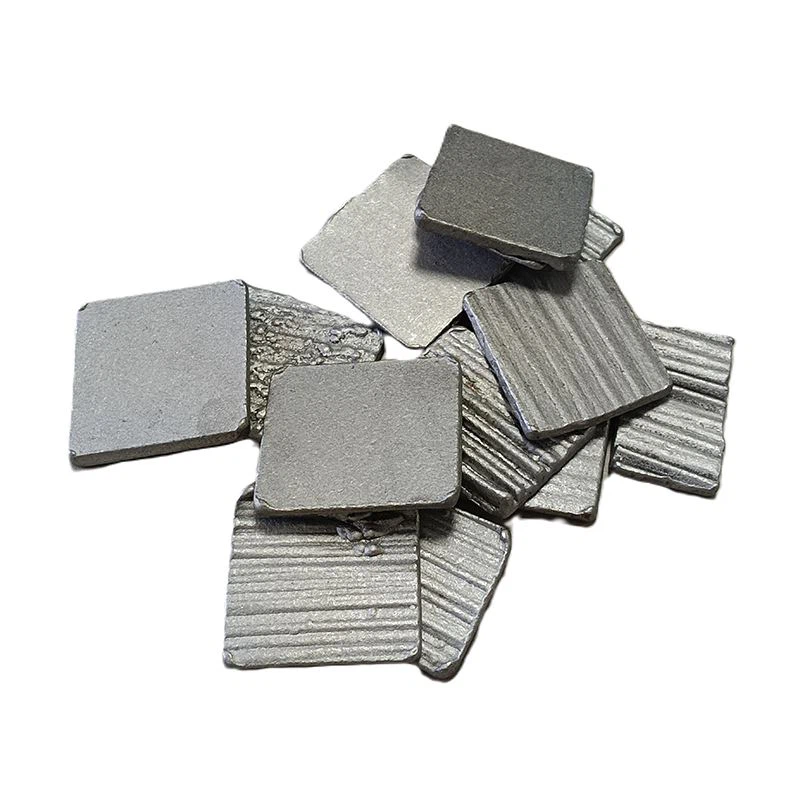
High-purity iron electrolytic sheets are a specialized product in the metals industry, used in niche applications that demand extreme purity and unique properties. While electrolytic processes are more commonly associated with copper and other metals, achieving high-purity iron through electrolysis is both complex and rewarding. These sheets are utilized in fields where even trace impurities can significantly impact performance. For instance, in the electronics industry, they may be used as substrates or components in specialized devices that require high magnetic permeability or low electrical conductivity.


Advantages of Electrolytic Sheets
Wide Variety of Thin Metal Strips: Electrolytic sheets are available in a wide range of alloys, including carbon steel, stainless steel, copper, brass, and thin aluminum strips. The variety of alloys allows you to choose the one that best suits your needs. Different metal compositions offer varying qualities and properties that can enhance your products and manufacturing operations. For instance, stainless steel is widely used in the construction industry due to its flexibility, strength, visual appeal, and resistance to corrosion. Similarly, aluminum sheets are preferred in the automotive industry for their lightweight properties. The availability of electrolytic sheets in many different forms increases their utility and versatility in manufacturing.
Customization and Cut-to-Length Options: A good electrolytic sheet supplier can cut the sheets according to your precise specifications. You can provide specific measurements for the width and length, and your supplier will deliver the custom slit-to-width and cut-to-length sheets as needed. This customization helps reduce engineering errors and boosts the efficiency of your manufacturing operations.
Versatility in Finishing Methods :Products made from electrolytic sheets can be finished using various techniques such as abrasive sandblasting, powder coating, brushing, plating, and polishing. Depending on the type of electrolytic sheet you use, you can finish your products to enhance corrosion resistance or for aesthetic purposes. Electrolytic sheets can be bent into different shapes and sizes, making it easier to apply your preferred finishing technique.
Durability :The different types of electrolytic sheets available allow you to choose the one that can withstand tough operating conditions. For products exposed to harsh outdoor environments, stainless steel is a good choice due to its corrosion resistance. For electrical components like motors and wiring, copper is preferred for its excellent electrical conductivity. Whatever your requirements, you’ll find an alloy of electrolytic sheet that offers long service life and durability.
Types of Electrolytic Sheets
High Purity Electrolytic Sheets
High Purity Iron Electrolytic Sheets, an unusual yet specialized product in the metals industry, are employed in niche applications that demand extreme purity and unique properties. While electrolytic processes are more commonly associated with copper and other metals, achieving high-purity iron through electrolysis is a complex yet rewarding endeavor. These sheets find applications in fields where even trace impurities can significantly impact performance. For instance, in the electronics industry, they may be used as a substrate or component in specialized devices requiring high magnetic permeability or low electrical conductivity.
Corrosion Resistant Electrolytic Sheets
Refined Iron Sheets represent a significant advancement in the field of metals, offering a unique combination of durability and performance. These sheets, produced through an electrolytic process, are engineered to withstand harsh environmental conditions that would normally lead to rapid corrosion of conventional iron-based materials. The electrolytic process not only refines the iron to a high degree of purity but also modifies its surface chemistry, enhancing its natural resistance to oxidation and other forms of corrosion. This makes Corrosion Resistant Electrolytic Iron Sheets ideal for use in applications where exposure to moisture, chemicals, or extreme temperatures is inevitable.
High Strength Electrolytic Sheets
High-Purity Iron Sheets represent a groundbreaking advancement in materials technology, offering exceptional strength and durability that surpasses traditional iron-based products. The electrolytic process employed in their production not only purifies the iron but also refines its microstructure, resulting in a material with superior mechanical properties. These sheets exhibit remarkable tensile strength, yield strength, and ductility, making them ideal for applications that demand high performance under extreme loads or conditions. They are particularly suitable for use in structural components, where their enhanced strength-to-weight ratio allows for the creation of lighter, stronger, and more efficient designs.
Material of Electrolytic Sheets
Iron (Fe)
Electrolytic iron sheets, also known as electrical steel sheets or transformer steel sheets, are the most common type of electrolytic sheets. These sheets are composed of pure iron with extremely low levels of impurities, typically less than 0.1%. The high purity of the iron provides excellent magnetic and electrical properties, making it suitable for use in transformers, motors, and generators.
Stainless Steel
Stainless steel sheets can also be produced through an electrolytic process, resulting in a high-purity, corrosion-resistant material. Electrolytic stainless steel sheets are commonly used in applications requiring superior corrosion resistance, such as in the food and chemical industries, medical equipment, and architectural applications.
Copper (Cu)
Electrolytic copper sheets are produced by depositing pure copper onto a substrate through an electrochemical process. These sheets have excellent electrical and thermal conductivity, making them suitable for various electrical and electronic applications, such as printed circuit boards, transformers, and electromagnetic shielding.
Nickel (Ni)
Electrolytic nickel sheets are created by depositing pure nickel onto a substrate through an electrochemical process. Nickel sheets produced by this method have high purity and excellent corrosion resistance, making them useful in applications requiring these properties, such as in the chemical industry, aerospace, and marine environments. The key advantage of using electrolytic processes to produce these metal sheets is the ability to achieve a high level of purity and control over the material's properties, which is essential for many specialized applications.
Electrical and Electronic Applications
Transformer Cores: Electrolytic iron sheets are used to construct the cores of power transformers due to their excellent magnetic and electrical properties.
Electric Motors and Generators: Electrolytic iron sheets are used in the laminated cores of electric motors and generators to minimize energy losses and improve efficiency.
Electromagnetic Devices: Electrolytic sheets are used in the production of various electromagnetic devices, such as inductors, chokes, and magnetic shielding, where their high purity and low losses are crucial.
Printed Circuit Boards: Electrolytic copper sheets are used as the base material for printed circuit boards (PCBs) in electronic devices, leveraging their high conductivity and uniform surface.
Automotive and Transportation
Automotive Components: Electrolytic steel sheets are used in manufacturing various automotive components, such as electric motors, generators, and transformers, which are essential for modern electric and hybrid vehicles.
Automotive Trim and Parts: Electrolytic stainless steel sheets find applications in the production of automotive trim, decorative parts, and corrosion-resistant components.

Industrial and Engineering Applications
Chemical Industry: Electrolytic nickel sheets are used in the chemical industry, where their exceptional corrosion resistance is crucial for equipment, piping, and storage tanks.
Industrial Machinery: Electrolytic stainless steel sheets are used in the production of industrial machinery, food processing equipment, and other applications that require high durability and resistance to corrosion.
Medical and Aerospace Applications
Medical Equipment: Electrolytic stainless steel sheets are used in the manufacture of medical equipment, surgical instruments, and implants due to their purity, biocompatibility, and corrosion resistance.
Aerospace Components: Electrolytic nickel sheets are used in aerospace applications, such as in the production of aircraft components and parts, where their high strength, corrosion resistance, and thermal properties are essential.
Building and Construction
Architectural Applications: Electrolytic stainless steel sheets are used in the construction industry for architectural applications, such as in the production of facades, roofing materials, and decorative elements, taking advantage of their aesthetic appeal and durability.
The competitive landscape of the electrolytic sheets market is characterized by its dynamic and ever-changing nature. A wide range of players, from established industry giants to innovative startups, vie for market dominance and share. This fierce competition fosters a continuous drive for innovation and excellence, with companies seeking to differentiate themselves through superior product quality, pricing strategies, and customer service. Market dynamics are influenced by factors such as technological advancements, regulatory changes, and evolving consumer preferences. This competitive environment not only fuels market growth but also presents both challenges and opportunities for participants, leading to strategic partnerships, mergers, and acquisitions as companies strive to maintain their competitive advantage in an ever-evolving market. Overall, the electrolytic sheets market offers a compelling arena for competition, where adaptability and innovation are key to achieving success.
Electrolytic Sheets Market Geography
The geographical range of the electrolytic sheets market refers to the specific areas or nations that the market analysis covers. The extent of geographic coverage for "electrolytic sheets" can differ depending on the particular industry or market in question. Below is a flexible template that you can adapt by replacing "electrolytic sheets" with the appropriate industry or market. The electrolytic sheets market presents a diverse geographical landscape, featuring analysis and insights across multiple regions and countries. This comprehensive assessment encompasses major global markets, including North America, Europe, Asia-Pacific, Latin America, the Middle East, and Africa, among others. Each region has a unique impact on market dynamics, influenced by factors such as economic conditions, regulatory frameworks, technological adoption, and cultural preferences.
Physical Properties of Electrolytic Sheets
Electrolytic sheets are manufactured through an electrochemical process that removes impurities, resulting in a final product with an exceptionally high level of purity, typically less than 0.1% impurities. This high purity is crucial for the superior performance of electrolytic sheets in electrical, magnetic, and corrosion-resistant applications.
The electrochemical deposition process used to create electrolytic sheets produces a very smooth and uniform surface finish. This smooth surface is important for applications where surface quality and appearance are critical, such as in decorative or architectural elements.
The manufacturing processes for electrolytic sheets allow for excellent control over the thickness and dimensional accuracy of the final product. This high level of precision is essential for applications where tight tolerances are required, such as in the production of electrical transformers and other electromagnetic devices.
Electrolytic iron sheets, also known as electrical steel or transformer steel, exhibit excellent magnetic properties, including high permeability, low hysteresis losses, and low eddy current losses. These properties make them ideal for use in the cores of electrical transformers, motors, and generators, where efficient magnetic field generation and low energy losses are crucial.
The combination of these physical properties, along with the ability to tailor the composition and manufacturing process, makes electrolytic sheets a versatile and high-performance material for a wide range of industrial, electrical, and specialized applications.
Ultimate FAQ Guide to Electrolytic Sheets
We're professional electrolytic sheets suppliers in China, specialized in providing high quality eco-friendly iron products. We warmly welcome you to buy low-carbon electrolytic sheets in stock here from our factory. For price consultation, contact us.
tapped electrolytic sheets, actuator electrolytic sheets, plasma cut electrolytic sheets