



Are there sensors for detecting specific substances? You bet there are! As a sensors supplier, I've seen firsthand how these nifty devices are changing the game in so many industries. Let's dive into the world of sensors and see how they can detect specific substances.
How Sensors Work to Detect Specific Substances
First off, let's talk about the basic principle behind sensors for detecting specific substances. These sensors are designed to interact with a particular substance in a unique way. When the target substance comes into contact with the sensor, it triggers a change in the sensor's properties, like its electrical conductivity, optical properties, or mass.
For example, in a gas sensor, the sensor material might react with a specific gas molecule. This reaction can cause a change in the electrical resistance of the sensor. By measuring this change, we can determine the presence and concentration of the gas.
Types of Sensors for Specific Substances
There are several types of sensors that can detect specific substances. Here are some of the most common ones:
Chemical Sensors
Chemical sensors are used to detect various chemicals in the environment. They can be used to monitor air quality, detect toxic gases in industrial settings, or even test for the presence of drugs in biological samples.
One type of chemical sensor is the electrochemical sensor. These sensors work by measuring the electrical current generated by a chemical reaction between the target substance and an electrode. Electrochemical sensors are highly sensitive and can detect very low concentrations of substances.
Biosensors
Biosensors are a special type of sensor that use biological components, like enzymes or antibodies, to detect specific substances. They are widely used in the medical field for things like blood glucose monitoring and disease diagnosis.
For example, a glucose biosensor uses an enzyme called glucose oxidase to detect glucose in the blood. When glucose comes into contact with the enzyme, it triggers a chemical reaction that produces an electrical signal. This signal can be measured and used to determine the glucose concentration.
Optical Sensors
Optical sensors use light to detect specific substances. They can be based on different principles, such as absorption, fluorescence, or scattering.
One example of an optical sensor is a colorimetric sensor. These sensors change color in the presence of a specific substance. By measuring the change in color, we can determine the concentration of the substance. Colorimetric sensors are often used in environmental monitoring and food safety testing.
Applications of Sensors for Specific Substances
The applications of sensors for detecting specific substances are vast and diverse. Here are some examples:
Environmental Monitoring
Sensors are used to monitor air and water quality. They can detect pollutants like carbon monoxide, sulfur dioxide, and heavy metals. By continuously monitoring these substances, we can take steps to protect the environment and public health.
Industrial Safety
In industrial settings, sensors are used to detect the presence of toxic gases and chemicals. This helps to prevent accidents and protect workers from exposure to harmful substances.
For example, in a chemical plant, sensors can be installed to detect leaks of hazardous gases. If a leak is detected, an alarm can be triggered, and appropriate safety measures can be taken.

Medical Diagnosis
Sensors play a crucial role in medical diagnosis. They can be used to detect diseases at an early stage, monitor the progress of treatment, and measure the levels of various substances in the body.
For instance, sensors can be used to detect the presence of cancer biomarkers in the blood. This can help doctors to diagnose cancer earlier and develop more effective treatment plans.
Our Sensor Products
As a sensors supplier, we offer a wide range of sensors for detecting specific substances. Our sensors are highly accurate, reliable, and easy to use.
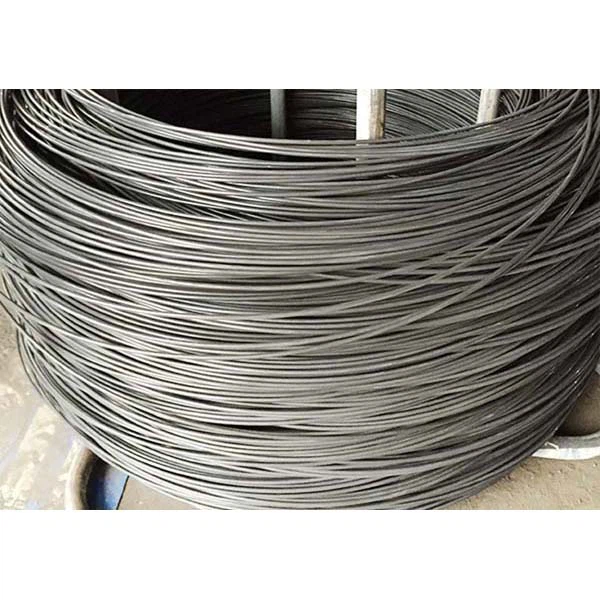
We also provide high - quality Pure Iron Coil for Medical Instrument, which can be used in the manufacturing of medical sensors. These coils are made of high - purity iron and have excellent magnetic and electrical properties.
In addition, our Pure Iron Coils for Automotive Parts are suitable for automotive sensor applications. They can help to improve the performance and reliability of automotive sensors.
And if you're looking for high - purity iron for neodymium magnets, our Armco Pure Iron Steel Billet Used For Neodymium Magnets High Purity Iron is the perfect choice.
Why Choose Our Sensors
There are several reasons why you should choose our sensors. Firstly, we have a team of experienced engineers and scientists who are dedicated to developing high - quality sensor products. We use the latest technology and materials to ensure the performance and reliability of our sensors.
Secondly, we offer excellent customer service. We can provide technical support, customization services, and timely delivery. Whether you have a small - scale project or a large - scale industrial application, we can meet your needs.
Contact Us for Procurement
If you're interested in our sensor products or have any questions about sensors for detecting specific substances, don't hesitate to contact us. We're always happy to discuss your requirements and help you find the best sensor solutions for your applications. Let's start a conversation and see how we can work together to meet your sensing needs.
References
- S. S. R. Hassan, "Chemical Sensors: Principles, Design, and Applications", Elsevier, 2018.
- B. D. Ratner, "Biosensors: Fundamentals and Applications", Oxford University Press, 2013.
- G. C. R. Ellis, "Optical Sensors: Technology and Applications", Springer, 2015.