


Hey there! As a supplier of CRS (Cold Rolled Steel) prices, I've been keeping a close eye on how technological advancements can shake things up in our industry. In this blog, I'm gonna dig deep into whether these tech changes can really have an impact on CRS prices.
First off, let's talk about what tech advancements we're looking at. There have been some major breakthroughs in steel manufacturing processes. New machinery and techniques have made it possible to produce CRS more efficiently. For example, advanced automation in rolling mills has reduced the need for manual labor. Workers used to have to do a lot of the heavy - lifting and precision work by hand, but now, robots can take care of most of it. This not only speeds up the production process but also cuts down on human errors.
When production becomes more efficient, it usually means lower costs for the manufacturers. With lower production costs, they might be able to offer CRS at a lower price. This is a basic economic principle - when supply becomes cheaper to produce, the price can potentially drop. But it's not always that simple. The market for CRS is influenced by a whole bunch of other factors too.
One of the cool tech advancements is in the area of quality control. Modern sensors and imaging technologies can detect even the tiniest flaws in the CRS during the manufacturing process. This means that manufacturers can ensure a higher quality product. A high - quality CRS might actually command a higher price in the market. Customers are often willing to pay more for a product that they know is reliable and has fewer defects. So, in this case, tech advancements could lead to an increase in the CRS price.
Another aspect is the development of new steel alloys. Scientists are constantly coming up with new combinations of elements to create steel with better properties. For example, some new alloys might be more corrosion - resistant or have higher strength. These enhanced properties can make the CRS more valuable. If a manufacturer is using these new alloys to produce CRS, they'll likely charge more for it.
Now, let's think about the impact of tech on the demand side. With the rise of new industries like electric vehicles and renewable energy, the demand for CRS is changing. Electric vehicles need high - quality steel for their frames and components. The renewable energy sector, especially wind turbines, also requires a large amount of CRS. Tech advancements in these industries are driving up the demand for CRS. When demand goes up, and the supply can't keep up immediately, the price of CRS is likely to increase.
On the other hand, tech can also lead to the development of alternative materials. For instance, carbon fiber composites are becoming more popular in some applications where CRS was traditionally used. If these alternative materials become more cost - effective and widely available, they could reduce the demand for CRS. A decrease in demand would then put downward pressure on the CRS price.
Let's take a look at how the internet and digital technologies are affecting the CRS market. Online platforms have made it easier for buyers and sellers to connect. This increased transparency in the market can lead to more competitive pricing. Buyers can quickly compare prices from different suppliers, which forces suppliers to be more competitive with their CRS prices.
But at the same time, digital marketing and e - commerce have also given suppliers a wider reach. They can now target customers all over the world. This can increase the overall demand for their products. If a supplier can sell more CRS because of better digital marketing, they might be able to afford to lower the price a bit to attract more customers.
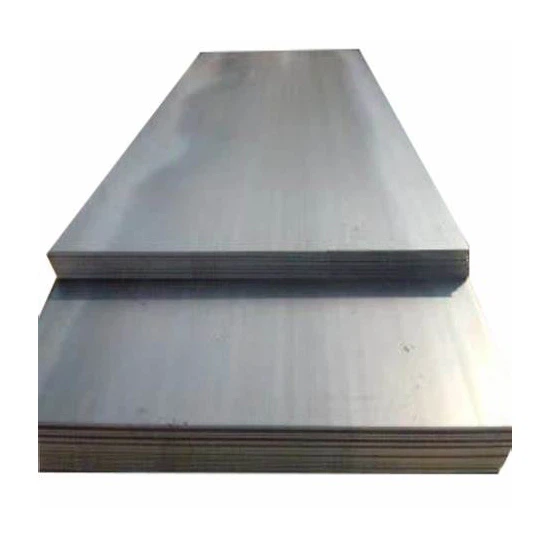
Now, I want to mention the two types of iron sheets that are relevant here. You can check out Cold Rolled Iron Sheet and Hot Rolled Iron Sheet for more details. Cold - rolled iron sheets are often used in applications where a smooth surface and precise dimensions are required. Hot - rolled iron sheets, on the other hand, are more suitable for applications where strength is the main concern.
In conclusion, technological advancements can have a significant impact on CRS prices, but it's a complex relationship. They can lead to both price increases and decreases depending on various factors such as production efficiency, quality improvements, changes in demand, and the availability of alternative materials.
If you're in the market for CRS and want to discuss prices and specifications, I'd love to have a chat. Whether you're looking for a small quantity for a DIY project or a large - scale supply for an industrial application, I can help you find the best deal. Reach out to me, and let's start the conversation!

References
- Steel Industry Annual Report 20XX
- Journal of Advanced Materials in Manufacturing
- Market Research on Global Steel Demand