


As a seasoned furnaces supplier, I've witnessed firsthand the growing demand for energy - efficient heating solutions. Many homeowners and business owners are eager to convert their old furnaces to more energy - efficient models, not only to reduce their energy bills but also to contribute to a greener environment. In this blog, I'll share some insights and steps on how to make this conversion successfully.
Assessing the Current Furnace
The first step in converting an old furnace to a more energy - efficient model is to assess the current furnace. Check its age, efficiency rating, and overall condition. Older furnaces, typically those over 15 years old, are often less efficient, as they may lack modern technologies such as variable - speed blowers and advanced control systems.

Look for signs of wear and tear, such as rust, leaks, or strange noises. If the furnace is constantly breaking down or requires frequent repairs, it might be a good candidate for replacement. You can also check the furnace's annual fuel utilization efficiency (AFUE) rating. The higher the AFUE rating, the more efficient the furnace is. A furnace with an AFUE rating below 80% is considered relatively inefficient.
Researching Energy - Efficient Furnace Options
Once you've determined that your old furnace needs to be replaced, it's time to research energy - efficient furnace options. There are several types of energy - efficient furnaces available on the market, including condensing furnaces, modulating furnaces, and heat pump furnaces.
Condensing furnaces are highly efficient because they extract more heat from the combustion process by condensing water vapor in the exhaust gases. They can have AFUE ratings of up to 98%. Modulating furnaces adjust the heat output based on the heating needs of the space, which helps to save energy. Heat pump furnaces are a good option for milder climates, as they can both heat and cool the space.
When researching furnaces, consider factors such as the size of your home or business, your climate, and your budget. You can also look for furnaces that are Energy Star certified. Energy Star - rated furnaces meet strict energy efficiency guidelines set by the U.S. Environmental Protection Agency, which means they can save you money on energy costs over time.
Selecting the Right Furnace
After researching different energy - efficient furnace options, it's important to select the right furnace for your specific needs. The size of the furnace is crucial. A furnace that is too small will struggle to heat your space, while a furnace that is too large will cycle on and off frequently, wasting energy.
To determine the right size of the furnace, you can use a Manual J load calculation. This calculation takes into account factors such as the square footage of your space, the insulation levels, the number of windows, and the climate in your area. Many HVAC professionals offer Manual J load calculations as part of their services.
In addition to size, consider the features of the furnace. Look for furnaces with variable - speed blowers, which can adjust the airflow based on the heating needs, and advanced control systems, which allow you to set different temperatures at different times of the day.
Installation and Maintenance
Once you've selected the right energy - efficient furnace, it's time to have it installed. It's highly recommended to hire a professional HVAC contractor for the installation. A professional contractor has the knowledge and experience to ensure that the furnace is installed correctly and safely.
During the installation process, the contractor will remove the old furnace and install the new one. They will also connect the furnace to the ductwork, gas line, and electrical system. After the installation, the contractor will test the furnace to make sure it is working properly.
Regular maintenance is also essential to keep your energy - efficient furnace running smoothly. Schedule annual maintenance with a professional HVAC technician. The technician will clean the furnace, check the components for wear and tear, and make any necessary repairs. This will help to extend the lifespan of the furnace and ensure that it continues to operate efficiently.
Using High - Quality Furnace Materials
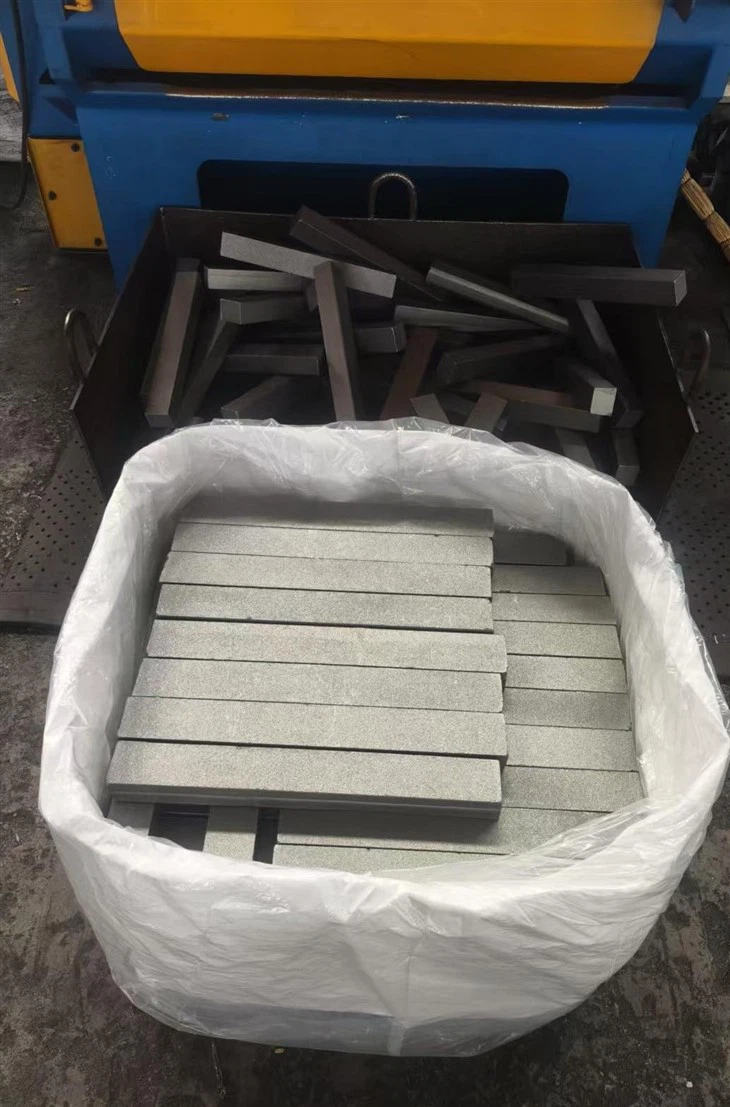
When converting your old furnace to a more energy - efficient model, using high - quality furnace materials is crucial. For example, Premium Grade Iron Billets With Ultra High Purity can be used in the construction of the furnace. These billets have ultra - high purity, which means they can withstand high temperatures and provide better heat transfer.
Pure Iron Billet For Smelting is another excellent option. It is designed for smelting processes and can contribute to the overall efficiency of the furnace. Additionally, High Purity Furnace Pure Iron Ingots can be used to enhance the performance of the furnace.
Monitoring Energy Consumption
After the installation of the new energy - efficient furnace, it's important to monitor your energy consumption. Compare your energy bills before and after the conversion to see how much energy you are saving. You can also use a smart thermostat to track your energy usage and adjust the temperature settings accordingly.
If you notice any significant changes in your energy consumption or if the furnace is not performing as expected, contact a professional HVAC technician. They can diagnose the problem and make any necessary adjustments.
Conclusion
Converting your old furnace to a more energy - efficient model is a smart investment that can save you money on energy costs and reduce your environmental impact. By following the steps outlined in this blog, you can ensure a successful conversion. If you're interested in purchasing an energy - efficient furnace or high - quality furnace materials, feel free to reach out to us. We're here to help you make the right choice for your heating needs.
References
- ASHRAE Handbook of Fundamentals. American Society of Heating, Refrigerating and Air - Conditioning Engineers.
- Energy Star Program Guidelines for Furnaces. U.S. Environmental Protection Agency.
- HVAC System Design and Installation Best Practices. National Comfort Institute.