



Maintaining the ductwork connected to your furnace is a crucial aspect of ensuring the efficient and safe operation of your heating system. As a furnaces supplier, I understand the importance of proper ductwork maintenance, and I'm here to share some valuable insights and tips to help you keep your ductwork in top condition.
Why Ductwork Maintenance Matters
Before delving into the maintenance process, it's essential to understand why ductwork maintenance is so important. Ductwork is responsible for distributing heated or cooled air throughout your home or building. Over time, dust, debris, and other contaminants can accumulate in the ducts, reducing the efficiency of your furnace and potentially compromising indoor air quality.
A well-maintained ductwork system can:
- Improve Energy Efficiency: Clean ducts allow air to flow more freely, reducing the workload on your furnace and lowering energy consumption.
- Enhance Indoor Air Quality: By removing dust, pollen, and other pollutants from the ducts, you can create a healthier indoor environment for you and your family.
- Extend the Lifespan of Your Furnace: Proper ductwork maintenance can help prevent strain on your furnace, reducing the risk of breakdowns and costly repairs.
- Provide Consistent Comfort: Well-maintained ducts ensure that heated or cooled air is evenly distributed throughout your space, providing consistent comfort.
Regular Inspections
Regular inspections are the first step in maintaining your ductwork. It's recommended to have your ductwork inspected at least once a year by a professional HVAC technician. During the inspection, the technician will:

- Check for Leaks: Leaks in the ductwork can cause air to escape, reducing the efficiency of your furnace and increasing energy costs. The technician will use specialized equipment to detect and seal any leaks.
- Look for Blockages: Blockages in the ducts can restrict airflow, leading to uneven heating or cooling and potentially causing damage to your furnace. The technician will remove any blockages, such as dust, debris, or pests.
- Inspect the Ductwork for Damage: Over time, the ductwork can become damaged due to wear and tear, corrosion, or other factors. The technician will look for signs of damage, such as holes, cracks, or loose connections, and make any necessary repairs.
- Clean the Ductwork: Cleaning the ductwork is an important part of maintenance. The technician will use specialized equipment to remove dust, debris, and other contaminants from the ducts, improving indoor air quality and reducing the risk of allergies and respiratory problems.
DIY Maintenance Tips
In addition to regular professional inspections, there are several DIY maintenance tips you can follow to keep your ductwork in good condition:
- Change Your Air Filters Regularly: Air filters are designed to trap dust, pollen, and other contaminants, preventing them from entering your ductwork and furnace. It's recommended to change your air filters every 1-3 months, depending on the type of filter and the level of usage.
- Keep the Area Around Your Furnace and Ductwork Clean: Dust and debris can accumulate around your furnace and ductwork, reducing the efficiency of your system. Keep the area clean by vacuuming and dusting regularly.
- Seal Any Leaks in the Ductwork: If you notice any leaks in the ductwork, you can seal them using duct tape or mastic sealant. However, it's important to note that these are temporary solutions, and it's recommended to have the leaks repaired by a professional HVAC technician.
- Avoid Blocking the Vents: Blocking the vents can restrict airflow, reducing the efficiency of your system and potentially causing damage to your furnace. Make sure the vents are clear of furniture, curtains, and other objects.
Choosing the Right Furnace Materials
As a furnaces supplier, I understand the importance of choosing the right materials for your furnace. The quality of the materials used in your furnace can have a significant impact on its performance, efficiency, and lifespan. Here are some of the materials we offer:
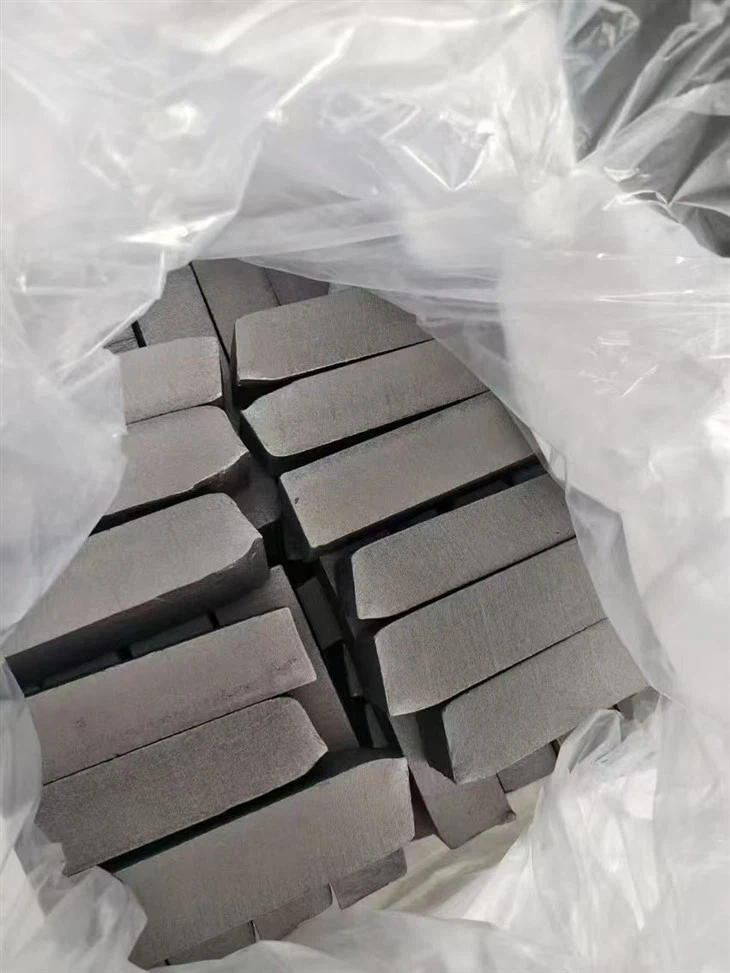
- YT01 Smelting Pure Iron Billets: These billets are made from high-quality pure iron, which is known for its excellent heat resistance and durability. They are ideal for use in furnaces that require high temperatures and long-term performance.
- Melt Base Iron Billet: These billets are made from a combination of iron and other metals, which makes them more resistant to corrosion and wear. They are suitable for use in furnaces that operate at lower temperatures and require less heat resistance.
- Pure Iron For Remelting: This pure iron is designed for remelting, which means it can be used to create new iron products. It is a high-quality material that is known for its purity and consistency.
Contact Us for Procurement
If you're interested in purchasing furnaces or furnace materials, we'd be happy to assist you. Our team of experts can help you choose the right products for your needs and provide you with competitive pricing and excellent customer service. Contact us today to learn more about our products and services and to start the procurement process.
References
- ASHRAE. (2019). ASHRAE Handbook - HVAC Systems and Equipment.
- Carrier. (2020). Ductwork Design and Installation Guide.
- Trane. (2021). Ductwork Maintenance and Cleaning.