


Hey there! As an iron sheet supplier, I've seen firsthand how folks often get stumped when it comes to cutting iron sheets into complex shapes. It's not as daunting as it might seem, though. In this blog, I'll walk you through the ins and outs of this process, sharing tips and tricks that'll make you a pro in no time.
First off, let's talk about the types of iron sheets you might be working with. There are two main kinds: Hot Rolled Iron Sheet and Cold Rolled Iron Sheet. Hot rolled iron sheets are heated during the manufacturing process, which makes them more malleable and generally less expensive. Cold rolled iron sheets, on the other hand, are rolled at room temperature, resulting in a smoother finish and tighter tolerances. Depending on the complexity of the shape you're cutting and the end use of the iron sheet, you'll want to choose the right type for the job.
Once you've picked the suitable iron sheet, the next step is to plan your cut. This is where the magic really happens. Start by sketching out your complex shape on a piece of paper. It doesn't have to be a masterpiece; just a rough idea of what you want to achieve. Then, transfer this sketch onto the iron sheet. You can use a special marker made for metal or a scribe, which is a sharp tool that scratches a line into the surface of the metal. Make sure your markings are clear and visible, as they'll be your guide during the cutting process.

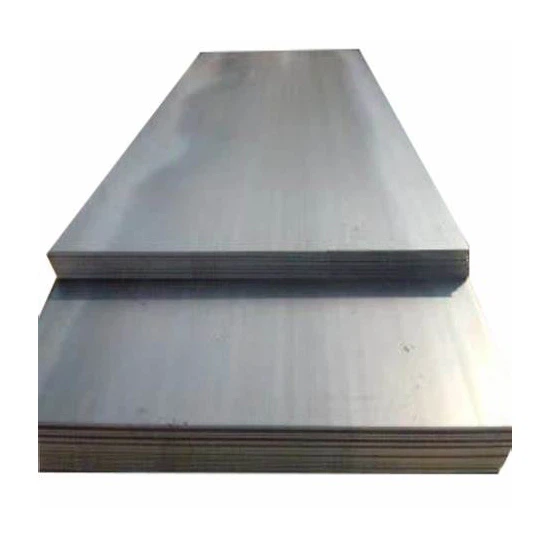
Now, let's talk about the tools you'll need. There are several options, and the best one for you depends on the thickness and type of the iron sheet, as well as the complexity of the shape. For thinner iron sheets, a pair of tin snips might do the trick. They're like big scissors and come in different shapes, such as straight-cut and curved-cut. Straight-cut tin snips are great for making straight cuts, while curved-cut ones are perfect for cutting curves.
If you're dealing with a thicker iron sheet or a more intricate shape, you might want to consider using a plasma cutter. A plasma cutter uses a high-velocity jet of ionized gas to melt and cut through the metal. It's incredibly fast and precise, making it ideal for cutting complex shapes. However, it can be a bit pricey and requires some training to use safely.
Another option is a laser cutter. Laser cutters use a high-powered laser beam to cut through the iron sheet. They offer unparalleled precision and can create very detailed and complex shapes. But like plasma cutters, they're also quite expensive and need to be operated by someone with the right skills.
Before you start cutting, it's crucial to take safety precautions. Wear protective gear, such as safety glasses to protect your eyes from flying debris, gloves to protect your hands from sharp edges, and ear protection if you're using a noisy tool like a plasma cutter. Make sure your work area is well-ventilated, especially if you're using a plasma cutter or a laser cutter, as these tools can produce harmful fumes.
Now, let's get to the actual cutting process. If you're using tin snips, start by aligning the blades with your marked line. Apply steady pressure and make slow, smooth cuts. Try to follow the line as closely as possible. If you're cutting a curve, pivot the snips as you go to keep the cut smooth.
If you're using a plasma cutter, you'll need to set the appropriate cutting speed and power based on the thickness of the iron sheet. Once you've got the settings right, place the plasma cutter on the starting point of your marked line and pull the trigger. The plasma cutter will start cutting through the metal, and you'll need to move it along the line at a steady pace. Keep a close eye on the cut to make sure it's following the line accurately.
When using a laser cutter, you'll first need to input your design into the cutter's software. The software will then control the movement of the laser beam to cut the iron sheet according to your design. It's a relatively hands-off process, but you still need to monitor the cutter to make sure everything is going smoothly.
After you've finished cutting, you'll likely have some rough edges on your iron sheet. You can use a file or a grinder to smooth these edges out. Just be careful not to overdo it and change the shape of your cut.
Once your iron sheet is cut into the desired complex shape, you might want to finish it to protect it from rust and give it a nice appearance. You can paint it, powder coat it, or apply a rust-resistant coating. There are plenty of options available, so choose the one that suits your needs and preferences.
In conclusion, cutting an iron sheet into a complex shape is definitely doable with the right tools, planning, and safety precautions. Whether you're a DIY enthusiast or a professional in the industry, I hope these tips have been helpful to you.
If you're in the market for high-quality iron sheets for your next project, look no further. As a trusted iron sheet supplier, I've got a wide range of Hot Rolled Iron Sheet and Cold Rolled Iron Sheet options to meet your specific requirements. Don't hesitate to reach out to me to discuss your needs and start a procurement negotiation. I'm here to help you get the best iron sheets for your projects.
References
- Metalworking Handbook: A Comprehensive Guide to Cutting and Shaping Metals
- Welding and Metal Fabrication: Techniques for Working with Iron Sheets