



Rusting is a common and troublesome issue that can significantly impact the quality and lifespan of sold iron products. As a reputable sold iron supplier, I understand the importance of preventing rust to ensure that our customers receive high - quality, long - lasting products. In this blog, I will share some effective methods to prevent sold iron from rusting.
Understanding the Rusting Process
Before delving into prevention methods, it's crucial to understand how rust forms. Rust is essentially the result of a chemical reaction known as oxidation. When iron comes into contact with oxygen and moisture, a series of chemical reactions occur, leading to the formation of iron oxide, which we commonly recognize as rust. The presence of electrolytes, such as salt in the air or water, can accelerate this process.
Surface Protection
One of the most effective ways to prevent rust is by applying a protective coating to the surface of the sold iron. There are several types of coatings that can be used:
Paint
Painting is a simple and cost - effective method. A good quality paint forms a physical barrier between the iron and the surrounding environment, preventing oxygen and moisture from reaching the iron surface. When applying paint, it's important to prepare the surface properly. This involves cleaning the iron to remove any existing rust, dirt, or grease. Sanding the surface can also help the paint adhere better. There are various types of paints available, such as epoxy - based paints, which offer excellent corrosion resistance.
Galvanization
Galvanization is the process of coating iron with a layer of zinc. Zinc is more reactive than iron, so when exposed to the environment, the zinc corrodes first, sacrificing itself to protect the iron beneath. This process is known as sacrificial protection. There are two main methods of galvanization: hot - dip galvanizing and electro - galvanizing. Hot - dip galvanizing involves dipping the iron into a bath of molten zinc, which results in a thick and durable zinc coating. Electro - galvanizing, on the other hand, uses an electrical current to deposit a thin layer of zinc onto the iron surface. Galvanized iron is widely used in outdoor applications, such as fences and roofing, due to its excellent rust - prevention properties.
Powder Coating
Powder coating is a modern and environmentally friendly alternative to traditional liquid paints. In powder coating, a dry powder is electrostatically applied to the iron surface and then cured in an oven at high temperatures. The powder melts and forms a smooth, hard, and durable coating. Powder coatings offer excellent resistance to chipping, scratching, and rusting. They are available in a wide range of colors and finishes, making them suitable for both functional and decorative applications.
Environmental Control
Controlling the environment where the sold iron is stored or used can also help prevent rusting.
Moisture Control
Since moisture is a key factor in the rusting process, reducing humidity levels can significantly slow down or prevent rust formation. In indoor storage areas, dehumidifiers can be used to maintain a low relative humidity. For outdoor applications, proper drainage systems should be in place to prevent water from pooling around the iron. Additionally, covering the iron with waterproof tarps during rainy seasons can offer temporary protection.
Air Quality
The quality of the air can also affect the rusting rate. Polluted air, especially air containing high levels of sulfur dioxide or salt particles, can accelerate rusting. In industrial areas or near the coast, where air pollution is more prevalent, extra precautions should be taken. For example, using enclosed storage facilities or applying additional protective coatings can help mitigate the effects of poor air quality.

Regular Maintenance
Regular maintenance is essential for preventing rust on sold iron products.
Inspection
Regularly inspecting the iron for signs of rust is crucial. Early detection allows for prompt treatment, which can prevent the rust from spreading. Look for any discoloration, flaking, or pitting on the surface of the iron. If rust is detected, it should be removed immediately using appropriate methods, such as sanding or wire brushing.
Cleaning
Keeping the iron clean is an important part of maintenance. Dirt, dust, and other contaminants can trap moisture on the surface of the iron, increasing the risk of rusting. Use a mild detergent and water to clean the iron regularly. After cleaning, make sure to dry the iron thoroughly to prevent moisture from remaining on the surface.
Using High - Quality Materials
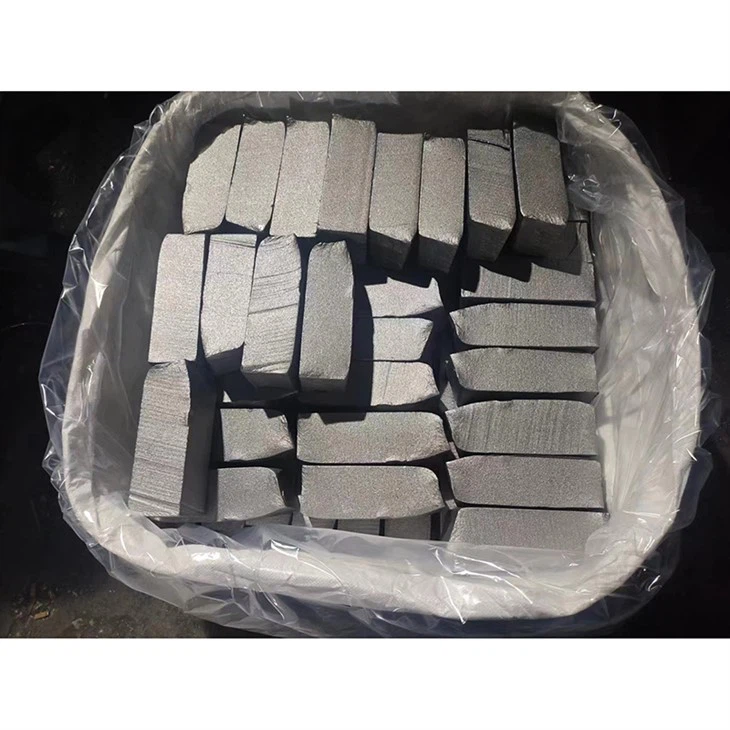
As a sold iron supplier, we offer a range of high - quality products that are more resistant to rust. For example, our Armco High Purity Iron Billet is made from high - purity iron, which has fewer impurities. Impurities in iron can act as sites for corrosion, so using high - purity iron can reduce the risk of rusting. Our Buy Pure Iron Online service allows customers to easily access these high - quality products. We also provide High Purity Furnace Pure Iron Ingots, which are suitable for various applications where rust prevention is crucial.
Conclusion
Preventing sold iron from rusting requires a combination of surface protection, environmental control, regular maintenance, and the use of high - quality materials. By following these methods, you can significantly extend the lifespan of your iron products and ensure their optimal performance. As a trusted sold iron supplier, we are committed to providing high - quality products and sharing our expertise to help our customers prevent rust. If you are interested in purchasing our sold iron products or have any questions about rust prevention, please feel free to contact us for further discussions and procurement negotiations.
References
- Alvarez, J., & Smith, R. (2018). Corrosion Prevention in Metals. Journal of Material Science.
- Brown, C., & Green, M. (2020). Galvanization: A Review of Processes and Applications. International Journal of Metal Coatings.
- Johnson, D., & White, E. (2019). Surface Coatings for Rust Prevention. Coatings Technology Magazine.