


Hey there! As a sold iron supplier, I've seen firsthand how oxidation can be a real pain in the neck for our customers. Oxidation not only affects the appearance of sold iron but also its performance and lifespan. So, I thought I'd share some effective anti - oxidation methods for sold iron that we've learned over the years.
1. Coating Protection
One of the most common and effective ways to prevent oxidation is by applying a protective coating. There are several types of coatings that can be used on sold iron.
Paint Coating
Paint is a simple and cost - effective option. It creates a physical barrier between the iron and the oxygen in the air. There are special paints designed for metal surfaces that offer better adhesion and durability. Before applying the paint, it's crucial to clean the iron surface thoroughly. Remove any rust, dirt, or grease. You can use a wire brush or sandpaper to roughen the surface a bit, which helps the paint stick better. After that, apply at least two coats of paint, allowing each coat to dry completely between applications.
Galvanizing
Galvanizing is another great method. It involves coating the sold iron with a layer of zinc. Zinc is more reactive than iron, so when it's exposed to the air, it forms a protective layer of zinc oxide. This layer prevents oxygen from reaching the iron beneath. Hot - dip galvanizing is a popular technique where the iron is dipped into a bath of molten zinc. The zinc bonds strongly with the iron surface, providing long - term protection. Galvanized iron is widely used in outdoor applications like fences and pipelines because it can withstand harsh weather conditions.
Powder Coating
Powder coating is a modern and high - quality option. It uses a dry powder that is electrostatically applied to the iron surface. The powder particles are charged, which makes them adhere to the iron. Then, the coated iron is heated in an oven, and the powder melts and forms a smooth, hard finish. Powder coating offers excellent resistance to scratches, chips, and oxidation. It also comes in a wide range of colors, so you can choose a finish that suits your aesthetic needs.
2. Environmental Control
The environment where the sold iron is stored or used plays a significant role in oxidation. Controlling the environmental factors can slow down the oxidation process.
Temperature and Humidity
High humidity is a major culprit in iron oxidation. When the air is humid, there is more moisture available for the oxidation reaction to occur. Try to store sold iron in a dry environment with a relative humidity below 50%. You can use dehumidifiers in enclosed storage areas to keep the humidity in check. Also, extreme temperatures can accelerate oxidation. Avoid storing iron in areas that are too hot or too cold. A stable, moderate temperature is ideal.
Air Quality
Polluted air can contain chemicals and pollutants that can speed up the oxidation of iron. If possible, store sold iron in a clean, well - ventilated area. Avoid placing it near sources of pollution such as factories, highways, or areas with high levels of industrial emissions.
3. Proper Handling and Maintenance
How you handle and maintain sold iron can also affect its susceptibility to oxidation.
Cleaning
Regular cleaning is essential to prevent the buildup of dirt, dust, and other contaminants that can trap moisture and promote oxidation. Use a mild detergent and water to clean the iron surface. Avoid using abrasive cleaners that can scratch the surface and expose it to oxygen. After cleaning, dry the iron thoroughly to remove any remaining moisture.
Inspection
Periodically inspect the sold iron for signs of oxidation. Look for rust spots, discoloration, or any changes in the surface texture. If you notice any early signs of oxidation, take immediate action to prevent it from spreading. You can use a rust remover to clean the affected area and then apply a protective coating.

4. Using Inhibitors
Corrosion inhibitors are chemicals that can be added to the environment or applied directly to the iron surface to slow down the oxidation process.
Vapor - Phase Inhibitors (VPIs)
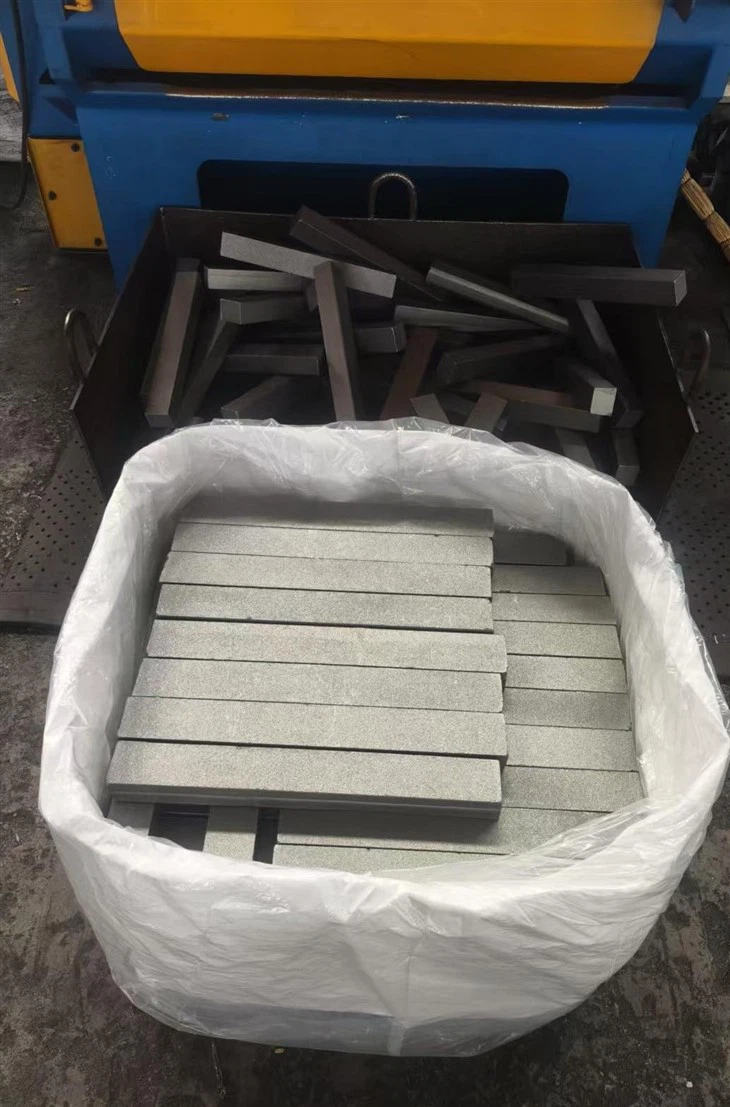
VPIs are substances that release vapor into the air around the iron. These vapors form a protective layer on the iron surface, preventing oxygen and moisture from coming into contact with it. VPIs are often used in packaging materials for sold iron. For example, you can use VPI - impregnated paper or plastic bags to store the iron. This is a convenient way to protect iron during transportation and storage.
Liquid Inhibitors
Liquid inhibitors can be applied directly to the iron surface. They work by forming a thin film that inhibits the oxidation reaction. There are different types of liquid inhibitors available, depending on the specific application and the environment. Some liquid inhibitors are designed for indoor use, while others are suitable for outdoor applications.
Why Our Sold Iron?
As a sold iron supplier, we take pride in providing high - quality products. We offer a variety of sold iron products, including High Purity Furnace Pure Iron Ingots, Pure Iron Billet For Smelting, and Iron, Pure. Our iron products are made using the latest manufacturing techniques and are carefully inspected to ensure they meet the highest standards.
We also understand the importance of anti - oxidation. That's why we can provide you with iron products that are pre - treated with the best anti - oxidation methods. Whether you need a small quantity for a DIY project or a large order for an industrial application, we've got you covered.
If you're interested in our sold iron products or have any questions about anti - oxidation methods, don't hesitate to reach out. We're here to help you find the right solution for your needs. Contact us today to start a purchase negotiation, and let's work together to get you the best sold iron products on the market.
References
- "Corrosion and Protection of Metals" by Uhlig, H. H.
- "Handbook of Corrosion Engineering" by Shoji, T.
- "The Science of Rust: How Metals Oxidize" - Online article from a scientific journal.