


As a supplier of raw iron, I've witnessed firsthand the remarkable benefits of recycling this essential material. Recycling raw iron isn't just an environmentally conscious choice; it's a strategic move that offers numerous advantages across various industries. In this blog post, I'll delve into the many benefits of recycling raw iron and explain why it's a practice worth embracing.
Environmental Benefits
One of the most significant advantages of recycling raw iron is its positive impact on the environment. Iron ore mining is a resource-intensive process that can cause extensive environmental damage, including deforestation, soil erosion, and water pollution. By recycling raw iron, we can reduce the demand for virgin iron ore, thereby conserving natural resources and minimizing the environmental footprint of the iron and steel industry.
Recycling raw iron also helps to reduce greenhouse gas emissions. The production of virgin iron from ore requires large amounts of energy, primarily in the form of coal and other fossil fuels. This energy-intensive process releases significant amounts of carbon dioxide and other pollutants into the atmosphere, contributing to climate change. In contrast, recycling raw iron requires much less energy, resulting in lower greenhouse gas emissions. According to the World Steel Association, recycling steel can save up to 75% of the energy required to produce new steel from iron ore.
In addition to conserving resources and reducing emissions, recycling raw iron helps to reduce waste and landfill usage. Iron and steel are among the most recycled materials in the world, with a recycling rate of over 90% in many countries. By diverting iron scrap from landfills, we can extend the lifespan of these valuable resources and reduce the environmental impact of waste disposal.
Economic Benefits
Recycling raw iron also offers significant economic benefits. For one, it helps to reduce the cost of iron and steel production. Since recycled iron requires less energy and fewer resources to process than virgin iron ore, it can be produced at a lower cost. This cost savings can be passed on to consumers, making iron and steel products more affordable.
Recycling raw iron also creates jobs and stimulates economic growth. The recycling industry employs millions of people worldwide, from scrap collectors and processors to manufacturers and distributors. By supporting the recycling of raw iron, we can help to create and sustain jobs in these sectors, contributing to local and national economies.
Furthermore, recycling raw iron can help to reduce the dependence on imported iron ore. Many countries rely on imports to meet their iron and steel needs, which can be subject to price fluctuations and supply disruptions. By recycling domestic iron scrap, countries can reduce their reliance on imports and improve their energy security.

Quality and Performance Benefits
Contrary to popular belief, recycled iron is just as good as virgin iron in terms of quality and performance. In fact, many iron and steel products are made from a combination of recycled and virgin materials, without any compromise in quality. This is because the recycling process can remove impurities and contaminants from the iron scrap, resulting in a high-quality product that meets or exceeds industry standards.
Recycled iron also offers several performance benefits. For example, it can have a more uniform composition and structure than virgin iron, which can improve its mechanical properties and make it more suitable for certain applications. Additionally, recycled iron can be more easily customized and tailored to specific requirements, thanks to the flexibility of the recycling process.
Applications of Recycled Raw Iron
Recycled raw iron has a wide range of applications across various industries. In the construction industry, recycled iron is used to make structural steel, reinforcement bars, and other building materials. In the automotive industry, it is used to make engine blocks, transmission components, and other parts. In the manufacturing industry, recycled iron is used to make machinery, tools, and equipment.
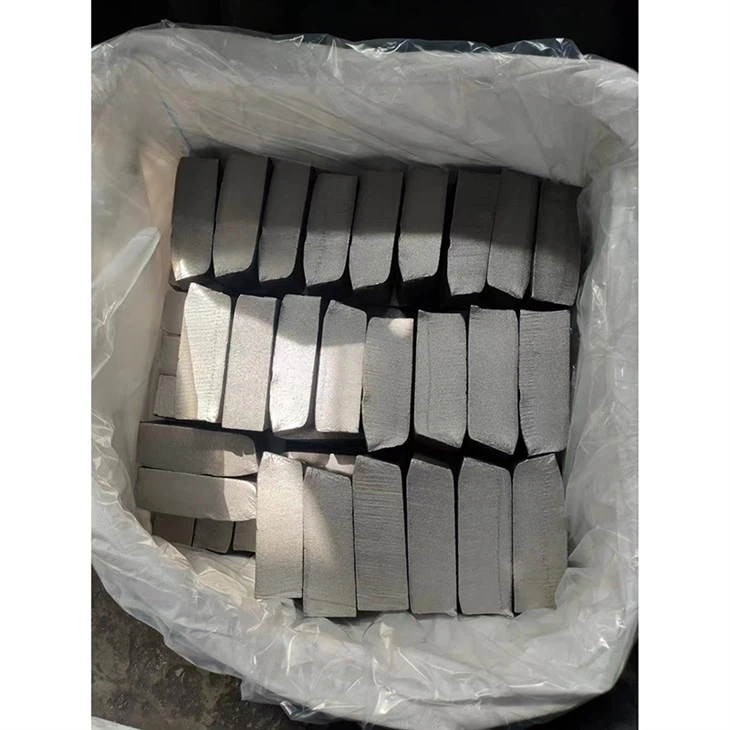
Some specific products made from recycled raw iron include Standard Purity Furnace Pure Iron Ingots, Iron, Pure, and Soft Iron. These products are known for their high quality, reliability, and performance, making them ideal for a variety of applications.
Conclusion
In conclusion, the benefits of recycling raw iron are numerous and far-reaching. From environmental and economic advantages to quality and performance benefits, recycling raw iron is a win-win for everyone. As a supplier of raw iron, I'm committed to promoting the recycling of this valuable material and helping my customers make sustainable choices.
If you're interested in learning more about our raw iron products or discussing your specific requirements, I encourage you to reach out to me. I'd be happy to answer any questions you may have and help you find the right solution for your needs. Let's work together to create a more sustainable future by recycling raw iron.
References
- World Steel Association. (n.d.). Recycling. Retrieved from [Website URL]
- Environmental Protection Agency. (n.d.). Recycling Basics. Retrieved from [Website URL]
- American Iron and Steel Institute. (n.d.). Steel Recycling. Retrieved from [Website URL]