


As an iron billet supplier, I've witnessed firsthand the dynamic nature of the iron billet market. The price of iron billets is influenced by a multitude of factors, each playing a crucial role in determining the final cost. In this blog post, I'll delve into the key elements that affect the price of iron billets, providing insights for both industry insiders and those looking to purchase these essential materials.
Raw Material Costs
The cost of raw materials is one of the most significant factors influencing the price of iron billets. Iron ore, the primary raw material for iron billets, is subject to global supply and demand dynamics. Fluctuations in the price of iron ore can have a direct impact on the cost of producing iron billets. For instance, if there is a shortage of iron ore due to disruptions in mining operations or increased demand from emerging economies, the price of iron ore will rise, leading to higher production costs for iron billets.
In addition to iron ore, other raw materials such as coal and scrap metal also contribute to the overall cost of iron billet production. Coal is used as a fuel in the ironmaking process, and its price can fluctuate based on factors such as supply availability, energy policies, and environmental regulations. Scrap metal, on the other hand, is a recycled material that can be used as a substitute for iron ore in some cases. The price of scrap metal is influenced by factors such as market demand, recycling rates, and the quality of the scrap.
Production Costs
The production process of iron billets involves several steps, each with its own associated costs. Energy costs, including electricity and fuel, are a significant component of production expenses. The price of energy can vary depending on factors such as global energy markets, government policies, and the efficiency of the production facilities. Higher energy costs can lead to increased production costs for iron billets, which are then passed on to the consumers.
Labor costs also play a role in determining the price of iron billets. Skilled labor is required for various stages of the production process, including smelting, casting, and finishing. Wages, benefits, and training expenses all contribute to the overall labor cost. In regions where labor costs are high, the price of iron billets may be relatively higher compared to areas with lower labor costs.
Market Demand and Supply
The basic economic principle of supply and demand has a significant impact on the price of iron billets. When the demand for iron billets exceeds the supply, prices tend to rise. This can occur due to various factors, such as increased construction activity, infrastructure development, and growth in the manufacturing sector. For example, during periods of rapid economic growth, there is often a higher demand for iron billets to support the construction of buildings, bridges, and other infrastructure projects.

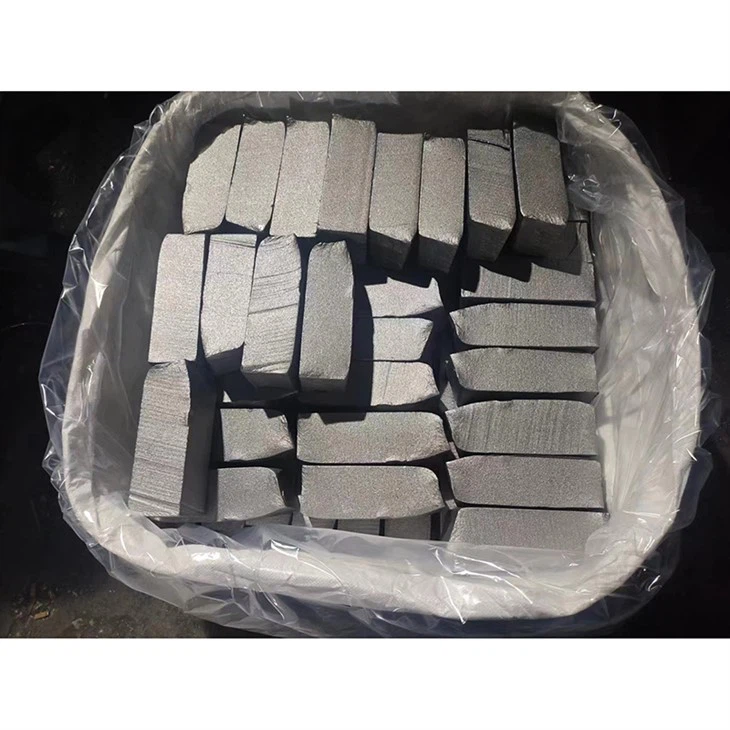
Conversely, when the supply of iron billets exceeds the demand, prices tend to fall. This can happen when there is overproduction in the market or a decrease in demand due to economic downturns or changes in consumer preferences. For instance, if there is a slowdown in the construction industry, the demand for iron billets may decrease, leading to a surplus in the market and a subsequent drop in prices.
Global Economic Conditions
The global economic environment also plays a crucial role in determining the price of iron billets. Economic indicators such as GDP growth, inflation rates, and interest rates can have a significant impact on the demand for iron billets. In times of economic growth, there is generally a higher demand for iron billets as industries expand and invest in new projects. On the other hand, during economic recessions, the demand for iron billets may decline as businesses cut back on production and investment.
Exchange rates also affect the price of iron billets, especially in the international market. A strong domestic currency can make iron billets more expensive for foreign buyers, potentially reducing demand. Conversely, a weak domestic currency can make iron billets more competitive in the global market, increasing demand and potentially driving up prices.
Quality and Specifications
The quality and specifications of iron billets can also influence their price. Higher-quality iron billets with specific chemical compositions and physical properties are often more expensive than lower-quality ones. For example, Meltbase Iron Billet and Pure Iron Billet are known for their high purity and excellent performance, which may command a premium price in the market.
The size, shape, and dimensions of iron billets can also affect their price. Customized or non-standard sizes may require additional processing and manufacturing steps, which can increase the cost. Additionally, iron billets that meet specific industry standards or certifications may be more expensive due to the additional quality control and testing requirements.
Trade Policies and Tariffs
Trade policies and tariffs can have a significant impact on the price of iron billets, especially in the international market. Governments may impose tariffs or trade restrictions on iron billets to protect domestic industries or address trade imbalances. These tariffs can increase the cost of imported iron billets, making them less competitive in the domestic market.
On the other hand, free trade agreements and preferential trade policies can reduce trade barriers and lower the cost of iron billets. For example, countries that have signed free trade agreements may enjoy lower tariffs or duty-free access to each other's markets, which can make iron billets more affordable for businesses in those countries.
Technological Advancements
Technological advancements in the iron and steel industry can also affect the price of iron billets. New production techniques and processes can improve efficiency, reduce production costs, and enhance the quality of iron billets. For example, the development of advanced smelting technologies and automation in the manufacturing process can lead to lower energy consumption and higher productivity, which can ultimately result in lower prices for iron billets.
However, the initial investment in new technologies can be significant, and these costs may be passed on to the consumers in the form of higher prices in the short term. Additionally, the adoption of new technologies may require training and upskilling of the workforce, which can also impact the overall cost of production.
Environmental Regulations
Environmental regulations play an increasingly important role in the iron and steel industry. Governments around the world are implementing stricter environmental standards to reduce pollution and mitigate the impact of industrial activities on the environment. These regulations can increase the cost of production for iron billets as companies are required to invest in pollution control equipment and adopt cleaner production processes.
For example, the use of cleaner fuels, such as natural gas, and the implementation of waste management and recycling programs can add to the production costs. However, companies that are able to meet these environmental requirements may also benefit from a positive brand image and access to markets that prioritize sustainable products.
Conclusion
In conclusion, the price of iron billets is influenced by a complex interplay of factors, including raw material costs, production costs, market demand and supply, global economic conditions, quality and specifications, trade policies and tariffs, technological advancements, and environmental regulations. As an iron billet supplier, it's essential to stay informed about these factors and their potential impact on the market.
If you're interested in purchasing iron billets, I encourage you to reach out to discuss your specific requirements. We offer a wide range of high-quality iron billets, including Meltbase Iron Billet, Pure Iron Billet, and Pure Iron DT4. Our team of experts is ready to provide you with personalized solutions and competitive pricing.
References
- World Steel Association. (Year). Steel Statistical Yearbook.
- International Iron and Steel Institute. (Year). Iron and Steel Statistics.
- Various industry reports and market research studies.