



Hey there! As an iron rods supplier, I've got a ton of knowledge about the finishing processes for these bad boys. Iron rods are used in all sorts of industries, from construction to electronics, and the finishing processes play a crucial role in determining their performance and appearance. So, let's dive right in and explore the different finishing processes for iron rods.
1. Surface Cleaning
Before any other finishing process can take place, the iron rods need to be thoroughly cleaned. This is super important because any dirt, grease, or rust on the surface can affect the quality of the subsequent finishes. There are a few common methods for surface cleaning:
- Mechanical Cleaning: This involves using tools like wire brushes, sandpaper, or abrasive blasting to physically remove the dirt and rust from the surface of the iron rods. Abrasive blasting, in particular, is a popular method where tiny abrasive particles are shot at high speed onto the rod's surface. It's really effective at getting rid of stubborn rust and scale.
- Chemical Cleaning: Chemical cleaners, such as acids or alkaline solutions, can also be used to clean the iron rods. Acid pickling is a well - known chemical cleaning method. In this process, the rods are dipped into an acid bath, which dissolves the rust and other contaminants on the surface. However, this method needs to be carefully controlled to avoid over - etching the iron.
2. Heat Treatment
Heat treatment is a game - changer when it comes to enhancing the properties of iron rods. It can improve the rod's strength, hardness, ductility, and toughness. Here are some common heat - treatment processes:

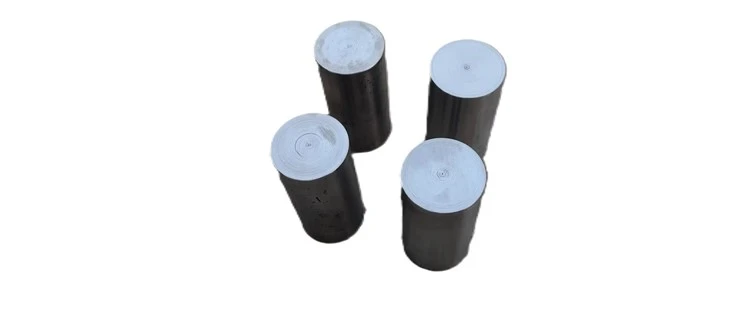
- Annealing: Annealing is a process where the iron rod is heated to a specific temperature and then slowly cooled. This helps to relieve internal stresses in the rod, makes it more ductile, and reduces hardness. It's often used when the rod needs to be further machined or formed, as the increased ductility makes it easier to work with.
- Quenching and Tempering: Quenching involves heating the rod to a high temperature and then rapidly cooling it by dipping it into a liquid, like oil or water. This makes the rod extremely hard. But quenched rods are also very brittle. That's where tempering comes in. After quenching, the rod is reheated to a lower temperature and then cooled slowly. Tempering reduces the brittleness while still maintaining a good level of hardness.
3. Coating
Coating the iron rods is a great way to protect them from corrosion and improve their appearance. There are several types of coatings available:
- Galvanizing: Galvanizing is the process of applying a layer of zinc to the iron rod. Zinc acts as a sacrificial anode, which means it corrodes before the iron does. Hot - dip galvanizing is a common method where the rod is dipped into a bath of molten zinc. The zinc forms a strong bond with the iron surface, providing long - term protection against rust.
- Painting: Painting is another popular coating method. There are different types of paints available, depending on the application. For outdoor use, paints with good weather - resistance properties are used. Epoxy paints are often used in industrial settings because they offer excellent chemical resistance.
- Powder Coating: In powder coating, a dry powder is electrostatically applied to the iron rod. The rod is then heated, and the powder melts and forms a smooth, durable coating. Powder coating is known for its excellent finish quality and environmental friendliness, as it doesn't use solvents like traditional paints.
4. Machining
Machining is done to achieve the desired dimensions and surface finish of the iron rods. Some common machining operations include:
- Turning: Turning is a process where the rod is rotated while a cutting tool removes material from the outer surface. This can be used to reduce the diameter of the rod or create a smooth surface finish.
- Grinding: Grinding is used to achieve a very fine surface finish. A grinding wheel with abrasive particles is used to remove a small amount of material from the rod's surface. It's often used when a high - precision surface is required, like in some mechanical parts.
Applications of Finished Iron Rods
The finished iron rods have a wide range of applications. For example, MRI Iron Rods MRI Iron Rods are used in magnetic resonance imaging machines. These rods need to have very specific magnetic properties, and the finishing processes are carefully controlled to ensure they meet the required standards.
Electrolytic Iron Cathode With High Purity For Electromagnetic Devices Electrolytic Iron Cathode With High Purity For Electromagnetic Devices are used in various electromagnetic devices. The high - purity iron and the right finishing processes are crucial for their performance.
Automotive Sensor and Actuator pure Iron Rods Automotive Sensor and Actuator pure Iron Rods are used in the automotive industry. They need to be precisely finished to ensure accurate sensor readings and reliable actuator operation.
Why Choose Our Iron Rods
As a supplier, we take pride in offering high - quality iron rods with excellent finishing. Our team of experts carefully controls each step of the finishing processes to ensure that the rods meet the highest standards. Whether you need rods for a small DIY project or a large - scale industrial application, we've got you covered.
If you're in the market for iron rods, we'd love to have a chat with you. Our rods are competitively priced, and we can customize the finishing processes according to your specific requirements. Don't hesitate to reach out to start a procurement discussion. We're here to help you find the perfect iron rods for your needs.
References
- ASM Handbook Volume 4: Heat Treating. ASM International.
- The Welding Handbook, Volume 1: Welding Technology. American Welding Society.
- Corrosion Basics. NACE International.