



As a seasoned supplier of raw iron, I've witnessed firsthand the intricacies and importance of proper handling procedures for this essential material. Raw iron serves as the cornerstone for countless industries, from construction to manufacturing, and understanding how to handle it correctly is crucial for ensuring quality, safety, and efficiency. In this blog post, I'll delve into the key handling procedures for raw iron, sharing insights based on my years of experience in the industry.
Receiving and Inspection
The handling of raw iron begins at the receiving stage. When the raw iron arrives at our facility, we conduct a thorough inspection to ensure its quality and compliance with our standards. This inspection includes checking for any visible defects, such as cracks, rust, or contamination. We also verify the quantity and dimensions of the raw iron against the purchase order to ensure accuracy.
One of the critical aspects of receiving raw iron is ensuring proper documentation. We maintain detailed records of each shipment, including the supplier information, delivery date, quantity, and quality inspection results. This documentation not only helps us track the origin and history of the raw iron but also serves as a reference in case of any issues or disputes.
Storage
Proper storage is essential for maintaining the quality of raw iron. Raw iron is susceptible to corrosion, especially when exposed to moisture and oxygen. Therefore, we store our raw iron in a dry, well-ventilated area, away from sources of moisture and humidity. We also ensure that the storage area is clean and free from debris to prevent contamination.
To further protect the raw iron from corrosion, we use appropriate storage methods. For example, we stack the raw iron on pallets or racks to keep it off the ground and allow for air circulation. We also cover the raw iron with protective covers or tarps to shield it from the elements.
In addition to preventing corrosion, proper storage also helps us manage inventory effectively. We organize our raw iron storage area based on size, grade, and type to facilitate easy access and retrieval. This allows us to quickly locate and retrieve the raw iron we need for production, reducing downtime and improving efficiency.
Handling and Transportation
When it comes to handling and transporting raw iron, safety is our top priority. Raw iron is heavy and bulky, and improper handling can pose significant risks to workers and equipment. Therefore, we use specialized equipment, such as cranes, forklifts, and hoists, to handle and move the raw iron safely.
Before handling the raw iron, we ensure that all equipment is in good working condition and that operators are properly trained and certified. We also follow strict safety protocols, such as wearing appropriate personal protective equipment (PPE) and using proper lifting techniques.
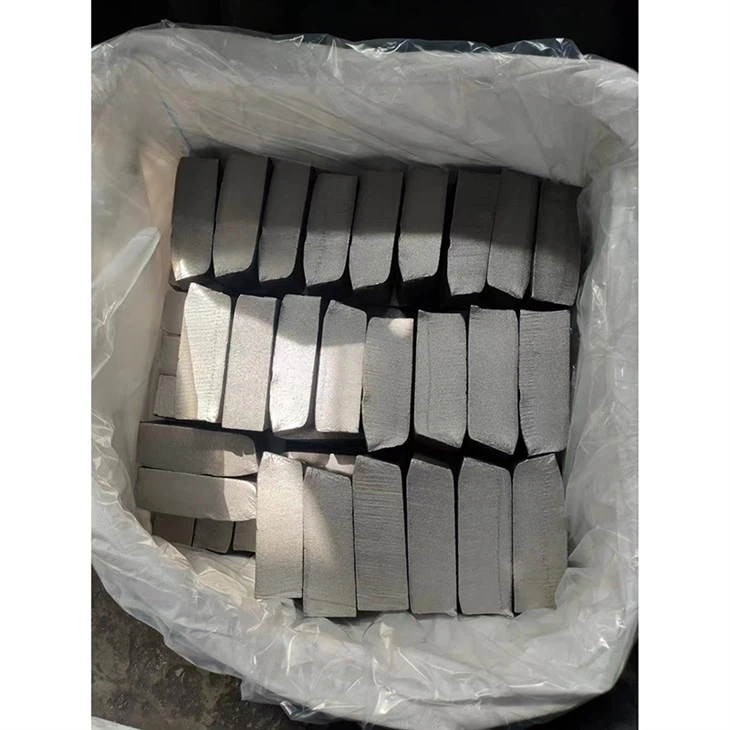

During transportation, we take extra precautions to ensure the safety of the raw iron. We use trucks or railcars specifically designed for transporting heavy and bulky materials, and we secure the raw iron to prevent it from shifting or falling during transit. We also monitor the transportation process closely to ensure that the raw iron arrives at its destination safely and on time.
Processing
Once the raw iron has been received, inspected, stored, and transported, it's ready for processing. The processing of raw iron involves various steps, such as melting, refining, and shaping, to transform it into a usable form.
The first step in the processing of raw iron is melting. We use high-temperature furnaces to melt the raw iron, which typically has a melting point of around 1,538°C (2,800°F). During the melting process, we add various additives and alloys to the molten iron to improve its properties, such as strength, hardness, and corrosion resistance.
After the raw iron has been melted, it undergoes a refining process to remove impurities and improve its purity. This refining process typically involves the use of chemical reactions and physical separation techniques, such as filtration and centrifugation.
Once the raw iron has been refined, it's ready for shaping. We use various shaping techniques, such as casting, forging, and rolling, to transform the molten iron into the desired shape and size. The choice of shaping technique depends on the specific requirements of the final product.
Quality Control
Throughout the handling and processing of raw iron, we implement strict quality control measures to ensure that the final product meets our high standards. We use a variety of testing and inspection methods, such as chemical analysis, mechanical testing, and non-destructive testing, to verify the quality and properties of the raw iron and the final product.
For example, we conduct chemical analysis to determine the composition of the raw iron and ensure that it meets the specified requirements. We also perform mechanical testing, such as tensile testing and hardness testing, to evaluate the strength and hardness of the final product. In addition, we use non-destructive testing methods, such as ultrasonic testing and magnetic particle testing, to detect any internal defects or flaws in the raw iron and the final product.
By implementing strict quality control measures, we can ensure that our raw iron and final products are of the highest quality and meet the needs of our customers. This not only helps us build a reputation for reliability and excellence but also ensures the safety and performance of the products that our customers use.
Conclusion
In conclusion, the handling procedures for raw iron are critical for ensuring quality, safety, and efficiency in the production process. From receiving and inspection to storage, handling, transportation, processing, and quality control, every step in the process requires careful attention and adherence to strict standards.
As a supplier of raw iron, we are committed to providing our customers with the highest quality products and services. We have a team of experienced professionals who are dedicated to ensuring that our raw iron is handled and processed in the most efficient and effective manner possible.
If you're in the market for high-quality raw iron, we invite you to [Contact us] to discuss your specific requirements and learn more about our products and services. We look forward to the opportunity to work with you and help you meet your raw iron needs.
References
- ASM Handbook, Volume 1: Properties and Selection: Irons, Steels, and High-Performance Alloys
- Metals Handbook: Properties and Selection: Irons, Steels, and High-Performance Alloys
- ASTM International Standards for Iron and Steel Products