


Hey there! As an iron sheet supplier, I often get asked about the flexibility of thin iron sheets. So, I thought I'd sit down and write a blog post to share some insights on this topic.
First off, let's talk about what flexibility means in the context of an iron sheet. Flexibility refers to the ability of the iron sheet to bend or deform without breaking. It's an important property, especially in applications where the iron sheet needs to be shaped or formed into different configurations.
There are several factors that can affect the flexibility of a thin iron sheet. One of the main factors is the thickness of the sheet. Generally speaking, the thinner the iron sheet, the more flexible it is. This is because a thinner sheet has less material to resist bending, making it easier to deform. For example, a 0.5mm thick iron sheet will be more flexible than a 2mm thick one.
The composition of the iron also plays a crucial role. Iron sheets can be made from different grades of iron, and each grade has its own set of properties. Some grades may contain small amounts of other elements like carbon, manganese, or silicon, which can affect the flexibility. For instance, a lower carbon content usually results in a more ductile and flexible iron sheet.
The manufacturing process is another key factor. There are two common types of iron sheets: Hot Rolled Iron Sheet and Cold Rolled Iron Sheet.
Hot rolled iron sheets are made by rolling the iron at high temperatures. This process gives the iron sheet a slightly rough surface and a more consistent grain structure. Hot rolled sheets are generally more malleable and have better flexibility in some cases. They are often used in applications where the sheet needs to be bent or formed, like in the construction of large - scale structures or machinery parts.
On the other hand, cold rolled iron sheets are produced by rolling the iron at room temperature. This results in a smoother surface finish and tighter dimensional tolerances. Cold rolled sheets are typically harder and less flexible than hot rolled ones, but they have better strength and flatness. They are commonly used in applications where precision and a good surface finish are required, such as in the manufacturing of automotive parts or household appliances.
Now, let's look at some real - world applications where the flexibility of thin iron sheets is important. In the automotive industry, thin iron sheets are used to make body panels. These panels need to be flexible enough to be shaped into the complex curves and contours of a car's design. If the iron sheet isn't flexible, it may crack or break during the forming process, leading to costly production delays.
In the construction industry, thin iron sheets can be used for roofing or cladding. The flexibility of the sheets allows them to be bent and installed around corners and irregular shapes. This makes it easier to create a watertight and aesthetically pleasing structure.
In the electronics industry, thin iron sheets are used in the production of transformers and other electrical components. The sheets need to be flexible enough to be wound into coils. If the sheets are too rigid, it will be difficult to achieve the required shape, which can affect the performance of the electrical device.

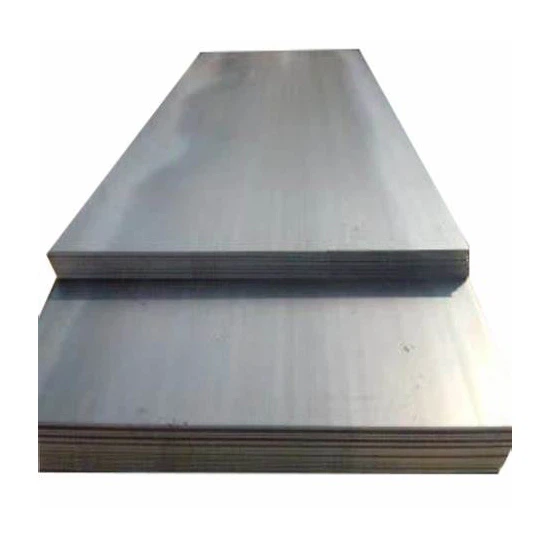
As an iron sheet supplier, I've seen firsthand how important it is to understand the flexibility of thin iron sheets. That's why we offer a wide range of iron sheets with different thicknesses, compositions, and manufacturing processes. Whether you need a highly flexible hot rolled sheet for a custom - shaped project or a cold rolled sheet with a smooth finish for a precision application, we've got you covered.
If you're in the market for iron sheets and have questions about flexibility or any other properties, don't hesitate to reach out. We're here to help you find the perfect iron sheet for your needs. Our team of experts can provide you with detailed information and advice based on your specific requirements.
So, if you're interested in learning more or want to start a purchase negotiation, just let us know. We're eager to work with you and provide you with the best iron sheet solutions.
References
- "Metallurgy: Principles and Applications" by David A. Porter, Kevin E. Easterling, and Michael Y. Shercliff
- "Manufacturing Engineering and Technology" by S. Kalpakjian and S. R. Schmid