


Hey there! As a furnaces supplier, I often get asked about the different components in a furnace and their functions. One of the most crucial parts that plays a significant role in the efficient operation of a furnace is the heat exchanger. In this blog, I'll break down what the heat exchanger does and why it's so important.
What is a Heat Exchanger?
First off, let's understand what a heat exchanger is. Simply put, a heat exchanger is a device that transfers heat from one fluid to another without the two fluids coming into direct contact. In a furnace, these fluids are usually hot combustion gases on one side and air or water on the other side.
Think of it like a middle - man in a heat transfer process. It takes the heat from the burning fuel in the furnace and passes it on to the air or water that will be used to heat your home or industrial space. This way, it maximizes the use of the heat generated by the fuel, making the furnace more energy - efficient.
How Does It Work in a Furnace?
In a furnace, the heat exchanger works in a pretty straightforward way. When the furnace ignites the fuel (like natural gas, oil, or propane), a combustion chamber is filled with hot gases. These gases are extremely hot, and if they were just released into the atmosphere, a lot of the heat energy would be wasted.
The heat exchanger is designed to capture this heat. The hot combustion gases flow through a series of tubes or chambers within the heat exchanger. On the other side of these tubes or chambers, air or water is circulated. The heat from the gases is transferred through the walls of the tubes or chambers to the air or water.
For example, in a residential gas furnace, cold air from the house is drawn into the furnace. As it passes over the heat exchanger, it picks up the heat from the combustion gases. The now - heated air is then blown back into the house through the ductwork, warming up the living space.
Functions of the Heat Exchanger in a Furnace
1. Heat Transfer
The primary function of the heat exchanger is, of course, heat transfer. It takes the high - temperature heat from the combustion process and transfers it to the medium (air or water) that will be used for heating. This process is what allows the furnace to warm up your home or an industrial facility. Without an efficient heat exchanger, a large portion of the heat generated by the fuel would be lost, leading to higher energy consumption and costs.
2. Energy Efficiency
A well - functioning heat exchanger is key to a furnace's energy efficiency. By transferring as much heat as possible from the combustion gases to the heating medium, it ensures that the furnace uses fuel more effectively. This means you can get the same amount of heat output with less fuel, saving you money on your energy bills. For example, modern furnaces with advanced heat exchangers can have an Annual Fuel Utilization Efficiency (AFUE) rating of up to 98%, which means they convert almost all of the fuel they burn into usable heat.

3. Safety
Another important function of the heat exchanger is safety. It acts as a barrier between the combustion gases, which can contain harmful substances like carbon monoxide, and the air or water that is circulated in the living or working space. If the heat exchanger is in good condition, it prevents these dangerous gases from leaking into the area being heated. However, if the heat exchanger develops cracks or holes, it can be a serious safety hazard as carbon monoxide can seep into the air, which is odorless and colorless but extremely toxic.
4. Environmental Impact
An efficient heat exchanger also has a positive environmental impact. Since it allows the furnace to use less fuel to achieve the same heating effect, it reduces the amount of greenhouse gas emissions. Burning less fuel means fewer carbon dioxide and other pollutants are released into the atmosphere, contributing to a cleaner and more sustainable environment.
Types of Heat Exchangers in Furnaces
There are different types of heat exchangers used in furnaces, and each has its own advantages.
Plate - Type Heat Exchangers
Plate - type heat exchangers consist of a series of thin plates stacked together. The hot and cold fluids flow between alternate plates, allowing for a large surface area for heat transfer. They are compact and efficient, making them suitable for applications where space is limited.
Tubular Heat Exchangers
Tubular heat exchangers are made up of tubes through which one fluid flows, while the other fluid flows around the tubes. They are commonly used in larger furnaces and industrial applications. Tubular heat exchangers can handle high pressures and temperatures, and they are relatively easy to clean and maintain.
The Importance of Maintenance
To ensure that the heat exchanger in your furnace functions properly, regular maintenance is essential. Over time, the heat exchanger can become dirty, corroded, or develop cracks. A dirty heat exchanger can reduce its efficiency as the buildup of dirt and debris can insulate the heat transfer surfaces, making it harder for the heat to transfer.
Corrosion can weaken the walls of the heat exchanger, increasing the risk of cracks and leaks. And as mentioned earlier, cracks in the heat exchanger can be a safety hazard. So, it's a good idea to have your furnace, including the heat exchanger, inspected and serviced by a professional at least once a year.
Furnace Materials and the Heat Exchanger
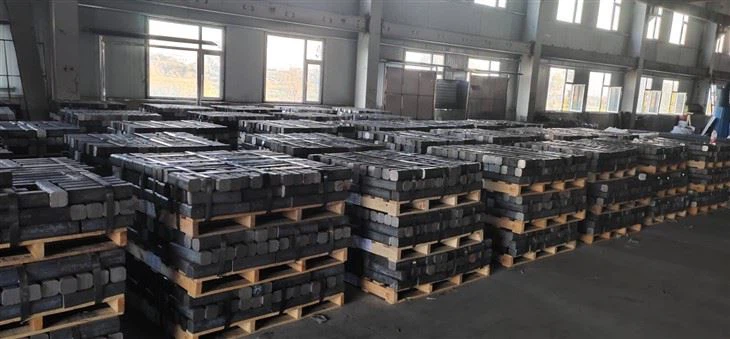
When it comes to furnaces, the materials used can also affect the performance of the heat exchanger. For example, using high - quality materials like Pure Iron For Remelting can improve the durability and heat transfer capabilities of the heat exchanger. 99.9% Pure Iron is also a great choice as it has excellent thermal conductivity, which means it can transfer heat more efficiently. And Soft Iron can be used in some components of the heat exchanger due to its malleability and good heat - handling properties.
Conclusion
In conclusion, the heat exchanger is a vital component of a furnace. It's responsible for transferring heat, improving energy efficiency, ensuring safety, and reducing the environmental impact. As a furnaces supplier, I know how important it is to have a high - quality heat exchanger in your furnace.
If you're in the market for a new furnace or need to replace an old heat exchanger, don't hesitate to reach out. We can provide you with the best solutions tailored to your needs. Whether it's a residential furnace for your home or an industrial furnace for your business, we've got you covered. Contact us to start a procurement discussion and find the perfect furnace for you.
References
- ASHRAE Handbook of Heating, Ventilating, and Air - Conditioning Systems and Equipment.
- “Furnace Efficiency and Performance” by the U.S. Department of Energy.
- “Heat Exchanger Design Handbook” by R. K. Shah and D. P. Sekulic.