



In the ever - evolving landscape of electrical engineering, electromagnetic interference (EMI) has emerged as a critical issue. With the increasing complexity of electrical systems, from consumer electronics to large - scale industrial machinery, the need to mitigate EMI has become more pressing than ever. As a motor core supplier, I have witnessed firsthand the vital role that motor cores play in reducing electromagnetic interference.
Understanding Electromagnetic Interference
Before delving into the role of motor cores, it is essential to understand what electromagnetic interference is. EMI refers to the disruption that occurs when an electromagnetic field affects an electrical circuit due to electromagnetic radiation or electromagnetic conduction. This interference can cause a range of problems, including malfunctions in electronic devices, data errors, and even safety hazards in some cases.
There are two main types of EMI: conducted and radiated. Conducted EMI travels through electrical conductors, such as power lines and signal cables. Radiated EMI, on the other hand, is emitted into the surrounding environment in the form of electromagnetic waves. Both types can have a significant impact on the performance and reliability of electrical systems.
The Basics of Motor Cores
A motor core is a fundamental component of an electric motor. It is typically made of ferromagnetic materials, such as iron or steel, which have high magnetic permeability. The core provides a path for the magnetic flux generated by the motor's windings. This magnetic flux is what enables the motor to convert electrical energy into mechanical energy.
The design and material of the motor core are crucial factors that determine the motor's efficiency, performance, and ability to reduce EMI. For example, the use of high - quality ferromagnetic materials can enhance the magnetic properties of the core, allowing for more efficient magnetic flux transfer.
How Motor Cores Reduce Electromagnetic Interference
Magnetic Shielding
One of the primary ways that motor cores reduce EMI is through magnetic shielding. The ferromagnetic material of the motor core acts as a shield, redirecting the magnetic fields generated by the motor's windings. This helps to contain the magnetic fields within the motor, preventing them from radiating into the surrounding environment and causing interference.
When the magnetic fields are properly contained, the likelihood of radiated EMI is significantly reduced. This is especially important in applications where multiple electrical devices are in close proximity, as it helps to prevent cross - interference between devices.
Eddy Current Reduction
Eddy currents are another source of EMI in electric motors. These currents are induced in the motor core by the changing magnetic fields. Eddy currents can generate heat and electromagnetic fields, which can contribute to both conducted and radiated EMI.
Motor cores are often designed to minimize eddy currents. One common approach is to use laminated cores. Laminations are thin sheets of ferromagnetic material that are insulated from each other. This insulation reduces the flow of eddy currents, as the currents are unable to flow freely across the laminations. As a result, the heat generated by eddy currents is reduced, and the level of EMI is also decreased.
Resonance Damping
Resonance can occur in electric motors when the natural frequency of the motor's magnetic circuit matches the frequency of the electrical supply. This resonance can lead to increased EMI, as it causes the magnetic fields to oscillate at a higher amplitude.
Motor cores can help to dampen resonance. The ferromagnetic material of the core has inherent damping properties, which can absorb the energy of the oscillating magnetic fields. By reducing the amplitude of the oscillations, the motor core helps to minimize the EMI generated by resonance.
Applications of Motor Cores in EMI Reduction
Consumer Electronics
In consumer electronics, such as laptops, smartphones, and home appliances, the reduction of EMI is crucial. These devices often contain multiple electrical components that are in close proximity, making them susceptible to EMI. Motor cores are used in the motors of these devices to reduce EMI and ensure reliable operation.
For example, in a laptop's cooling fan motor, the motor core helps to contain the magnetic fields generated by the motor, preventing them from interfering with the laptop's other components, such as the motherboard or hard drive.
Industrial Machinery
Industrial machinery often operates in environments where there are many electrical devices and high - power electrical systems. In such environments, the risk of EMI is high. Motor cores are used in industrial motors to reduce EMI and protect the machinery from interference.
For instance, in a large - scale manufacturing plant, motors are used to drive conveyor belts, pumps, and other equipment. The use of motor cores with effective EMI - reduction properties helps to ensure the smooth operation of these motors and the overall efficiency of the manufacturing process.
Electric Vehicles
The automotive industry is increasingly moving towards electric vehicles (EVs). EVs rely heavily on electric motors, and the reduction of EMI is a critical concern. Motor cores play a vital role in reducing EMI in EV motors, which helps to ensure the proper functioning of the vehicle's electrical systems, including the battery management system, infotainment system, and driver - assistance systems.
Our Offerings as a Motor Core Supplier
As a motor core supplier, we understand the importance of providing high - quality motor cores that effectively reduce EMI. We offer a wide range of motor cores made from different materials and with various designs to meet the diverse needs of our customers.
Our Transformer Core Iron Rods are designed for use in transformers and other electrical equipment. These rods are made from high - purity iron, which provides excellent magnetic properties and helps to reduce EMI.
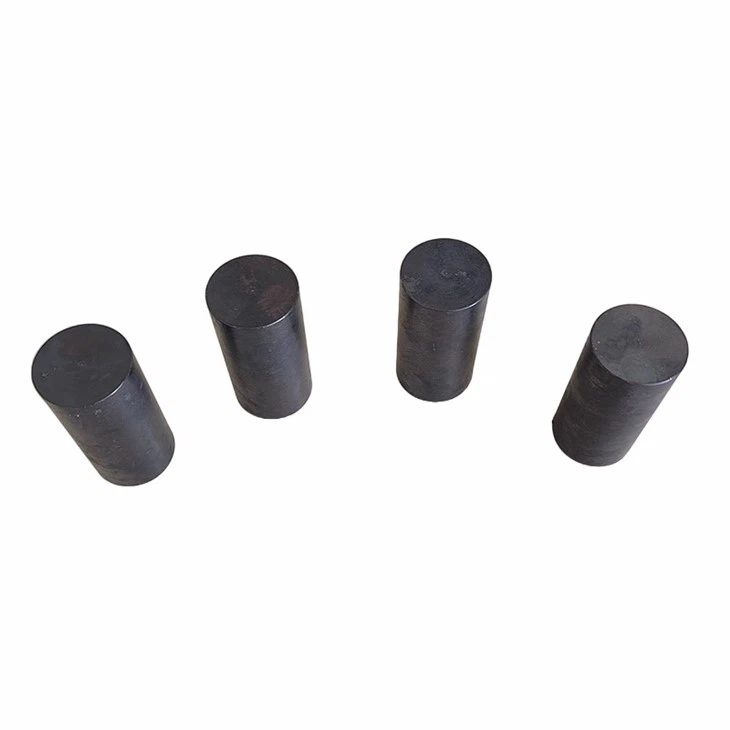

For the growing market of electric vehicles, we offer EV Motor Core Iron Rods. These rods are specifically engineered to meet the unique requirements of EV motors, including high efficiency and low EMI.
In addition, our 99.95% Pure Iron Rod is a versatile product that can be used in a variety of applications. The high purity of the iron ensures superior magnetic performance and effective EMI reduction.
Conclusion
In conclusion, motor cores play a crucial role in reducing electromagnetic interference. Through magnetic shielding, eddy current reduction, and resonance damping, motor cores help to minimize both radiated and conducted EMI. This is essential for the reliable operation of electrical systems in a wide range of applications, from consumer electronics to industrial machinery and electric vehicles.
As a motor core supplier, we are committed to providing our customers with high - quality motor cores that meet their specific needs for EMI reduction. If you are interested in learning more about our products or discussing your requirements, we encourage you to contact us for a procurement discussion.
References
- Grover, F. W. (1946). Inductance Calculations: Working Formulas and Tables. Dover Publications.
- Fitzgerald, A. E., Kingsley, C., & Umans, S. D. (2003). Electric Machinery. McGraw - Hill.
- Paul, C. R. (2006). Introduction to Electromagnetic Compatibility. Wiley - Interscience.