



Hey there! As a furnace supplier, I often get asked if a furnace can be used in combination with other heating systems. Well, the short answer is yes, and in this blog, I'll dive deep into how and why you might want to do that.
First off, let's talk about the different types of heating systems out there. We've got furnaces, which are pretty versatile and can use various fuels like natural gas, oil, or electricity. Then there are heat pumps, which are great for both heating and cooling. They work by transferring heat from one place to another. Radiant heating systems, on the other hand, use heated floors or panels to warm up a space. And don't forget about boilers, which heat water to provide warmth through radiators or under - floor heating.
So, why would you want to combine a furnace with another heating system? One big reason is efficiency. For example, if you live in an area with mild winters, a heat pump can be very energy - efficient. It can handle most of the heating needs during those mild days. But when the temperature drops really low, a heat pump's efficiency decreases. That's where a furnace comes in. You can use the heat pump as the primary heating source for milder weather and switch to the furnace when it gets cold. This way, you're using the most energy - efficient option for different temperature ranges, which can save you a lot of money on your energy bills in the long run.
Another reason is redundancy. Let's say your furnace breaks down. If you have a secondary heating system like a radiant floor heater, you won't be left in the cold. You can still keep your home warm while you get the furnace fixed. It's like having a backup plan for your heating needs.
Now, let's look at some practical combinations.
Furnace and Heat Pump
Combining a furnace with a heat pump is called a dual - fuel system. In this setup, the heat pump is usually the primary heating source. It's connected to a thermostat that can detect the outdoor temperature. When the temperature is above a certain point (usually around 30°F to 40°F), the heat pump runs. As the temperature drops below that threshold, the thermostat signals the furnace to kick in. This seamless transition ensures that your home stays comfortable no matter how cold it gets outside.
Furnace and Radiant Heating
Radiant heating systems are great for providing targeted heat. You can install radiant floor heating in areas where you spend a lot of time, like the living room or the bedroom. The furnace can then be used to heat the rest of the house. This combination gives you the best of both worlds. You get the cozy, direct heat from the radiant floors and the more widespread heating from the furnace.
Furnace and Boiler
A furnace and a boiler can work together in a multi - zone heating system. You can use the boiler to heat water for under - floor heating in some areas of the house, while the furnace heats the air for other parts. This setup allows you to customize the heating in different zones according to your needs. For example, you might want the bedrooms to be a bit cooler at night, so you can adjust the settings for the furnace - heated areas, while keeping the living room warm with the boiler - based under - floor heating.
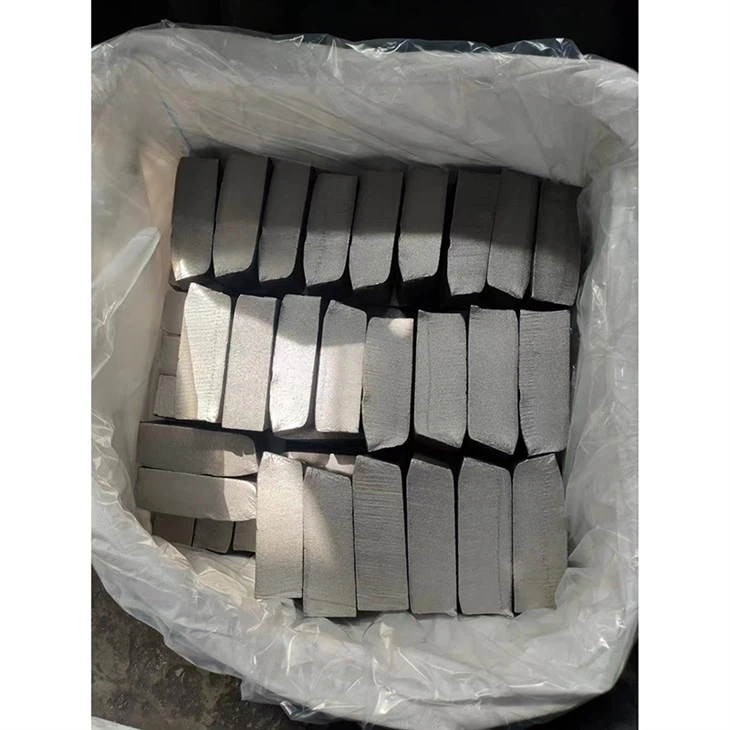
When it comes to the materials used in furnaces, high - quality materials are crucial for optimal performance. For instance, Pure iron material is often used in furnace construction. It has excellent heat - conducting properties, which helps the furnace heat up quickly and distribute heat evenly. Pure Iron Block is another great option. It's durable and can withstand high temperatures, ensuring a long lifespan for your furnace. And if you're looking for something specifically for furnace charge, PURE IRON FOR FURNACE CHARGE (INGOTS & BLOCKS) is a top - notch choice.

However, combining heating systems isn't without its challenges. One of the main issues is the initial cost. Installing multiple heating systems can be expensive. You have to pay for the equipment, the installation, and any necessary modifications to your home's plumbing or electrical systems. But remember, the long - term savings on energy bills can often offset this initial investment.
Another challenge is the complexity of the system. You need to make sure that all the heating systems are properly integrated and controlled. This might require a professional HVAC technician to set up and maintain the system. But once it's up and running, you'll enjoy the benefits of a more efficient and reliable heating solution.
In conclusion, using a furnace in combination with other heating systems is definitely a viable option. It offers increased efficiency, redundancy, and the ability to customize your home's heating. If you're considering this option, I'd be more than happy to help you find the right combination of heating systems for your needs. Whether you're looking for a dual - fuel system or a multi - zone setup, we've got the expertise and the high - quality furnaces to make it happen.
If you're interested in learning more or want to start the process of upgrading your heating system, don't hesitate to reach out. We can have a detailed discussion about your specific requirements and come up with a solution that works for you. Let's work together to make your home warmer, more comfortable, and more energy - efficient.
References
ASHRAE Handbook of Heating, Ventilating, and Air - Conditioning Systems and Equipment
HVAC Systems Design Guide by the American Society of Plumbing Engineers