


Can sold iron be used in the textile industry? That's a question I've been getting a lot lately, and as a sold iron supplier, I'm here to break it down for you.
First off, let's talk about what sold iron is. Sold iron, also known as pure iron in many cases, is a high - quality form of iron with a very low carbon content and few impurities. It's often used in various industries because of its unique properties.
In the textile industry, the use of sold iron might not be as obvious as in some other sectors like construction or automotive. But there are actually several ways in which sold iron can play a role.
One of the key areas where sold iron can be useful is in the manufacturing of textile machinery. Textile machines need to be precise and durable. High - quality sold iron can be used to make parts such as gears, shafts, and frames. For example, gears made from sold iron can offer smooth operation and high wear resistance. This is crucial because textile machines run continuously for long periods, and any breakdown can lead to significant production losses. The high - purity nature of sold iron means that it's less likely to corrode or develop cracks over time, ensuring the long - term reliability of the machinery.
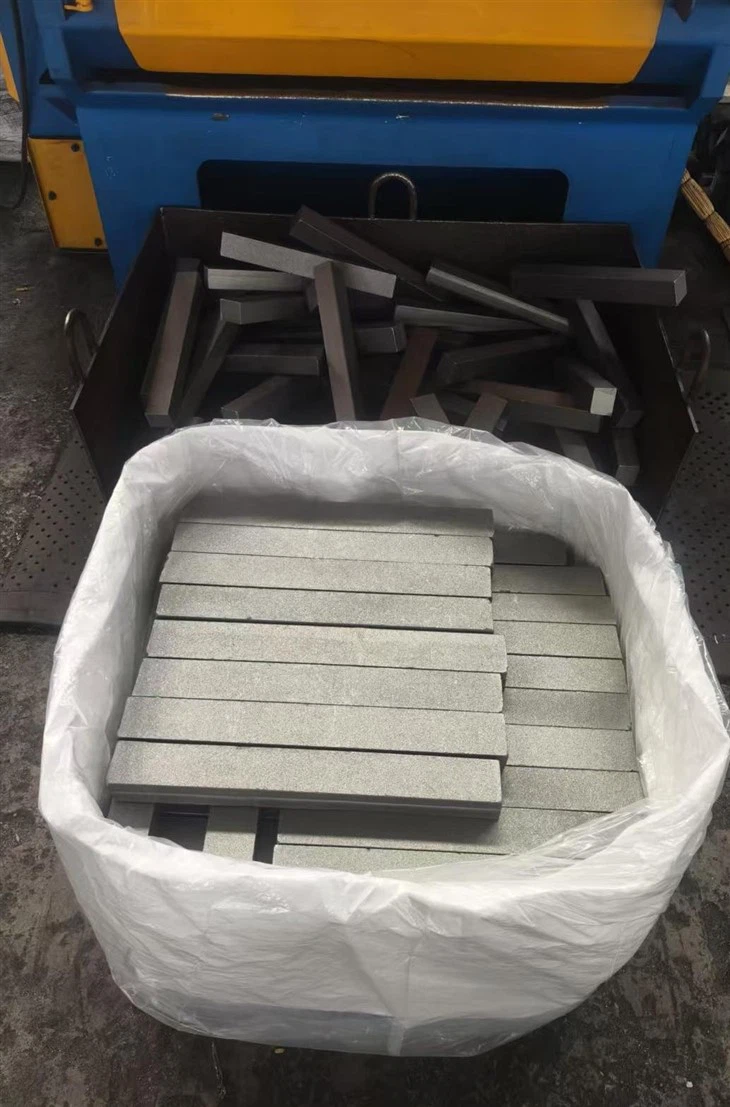
If you're interested in the type of sold iron that's perfect for such applications, you can check out our High - Purity Iron Billets. These billets are made with the highest standards of purity, which makes them ideal for manufacturing high - precision parts for textile machinery.
Another aspect where sold iron can be used in the textile industry is in the production of heating elements. Some textile processes, like dyeing and drying, require precise temperature control. Sold iron can be used to create heating elements that provide consistent and reliable heat. The high thermal conductivity of sold iron allows for efficient heat transfer, which is essential for these processes. This helps in achieving uniform dyeing and drying results, improving the overall quality of the textile products.
Our High - Purity Iron Billets For Advanced Manufacturing are especially suitable for creating these heating elements. They have the right properties to withstand high temperatures and maintain their performance over time.
Now, let's consider the economic aspect. Using sold iron in the textile industry can actually be cost - effective in the long run. Although the initial cost of sold iron might be a bit higher compared to some other materials, its durability and performance mean that you'll have to replace parts less frequently. This reduces maintenance costs and downtime, which can have a positive impact on the bottom line of textile manufacturers.
Moreover, the use of high - quality sold iron can also enhance the overall quality of textile products. When the machinery is made with reliable parts, it can produce textiles with better consistency in terms of color, texture, and strength. This can lead to higher customer satisfaction and potentially more business for textile manufacturers.
In addition to machinery and heating elements, sold iron can also be used in the production of some specialty textile products. For example, in the production of magnetic textiles, sold iron can be incorporated to give the fabric magnetic properties. These magnetic textiles can be used in various applications, such as in the medical field for therapeutic purposes or in some high - tech clothing.
Our Pure Iron Billet For Smelting can be the starting point for creating these specialty products. The purity of the billet ensures that the final product has the desired magnetic and other properties.
However, it's important to note that using sold iron in the textile industry also comes with some challenges. For instance, working with sold iron requires specific manufacturing techniques and equipment. Textile manufacturers need to have the right expertise to handle and process sold iron effectively. Also, the market for sold iron in the textile industry is still relatively niche, so there might be a lack of awareness among some manufacturers.
But as the textile industry continues to evolve and look for ways to improve efficiency and product quality, the use of sold iron is likely to become more widespread. It offers a combination of durability, performance, and versatility that can't be easily matched by other materials.
If you're a textile manufacturer and you're considering using sold iron in your operations, I encourage you to reach out and have a chat with us. We're more than happy to discuss your specific needs and how our sold iron products can fit into your production processes. Whether it's for machinery parts, heating elements, or specialty products, we have the expertise and the high - quality products to meet your requirements.
In conclusion, sold iron definitely has a place in the textile industry. Its unique properties make it a valuable material for various applications, from machinery manufacturing to specialty product production. If you're looking to take your textile production to the next level, don't overlook the potential of sold iron. Contact us today to start the conversation about how we can work together to achieve your goals.
References

- Textile Machinery Handbook
- Journal of Textile Science and Technology
- Research on High - Purity Metals in Industrial Applications