


As a supplier of raw iron, I've witnessed firsthand the importance of conserving our precious raw iron resources. With the ever - increasing demand for iron in various industries such as construction, automotive, and manufacturing, it's crucial that we find ways to use these resources more efficiently. In this blog post, I'll share some strategies on how raw iron resources can be conserved.
Recycling and Reusing Iron Products
One of the most effective ways to conserve raw iron resources is through recycling and reusing iron products. Recycling iron not only reduces the need for extracting new raw iron from the earth but also consumes significantly less energy compared to the production of new iron from virgin ore.
When iron products reach the end of their useful life, they can be collected and sent to recycling facilities. At these facilities, the iron is melted down and purified to remove impurities. The recycled iron can then be used to manufacture new products. For example, old cars, appliances, and construction materials can all be recycled into new iron billets.
As a raw iron supplier, I encourage my customers to prioritize the use of recycled iron. We offer Pure iron material that is made from a significant percentage of recycled content. This not only helps in conserving raw iron resources but also provides a cost - effective solution for our customers.
Improving Mining Efficiency
Another important aspect of conserving raw iron resources is improving the efficiency of the mining process. Traditional mining methods often result in a significant amount of waste, as not all of the extracted ore contains high - grade iron. By using advanced exploration and mining technologies, we can identify and target areas with higher iron concentrations more accurately.
For instance, modern geological survey techniques such as remote sensing and geophysical surveys can help in mapping out iron deposits more precisely. This allows mining companies to focus their efforts on areas where the ore has a higher iron content, reducing the amount of waste material that needs to be processed.
In addition, new mining equipment and techniques can improve the extraction process. For example, automated mining systems can operate more efficiently and with greater precision, reducing the amount of ore that is left behind in the mine. As a supplier, I work closely with mining companies to ensure that they are using the most efficient methods possible, so that we can get the most out of each iron deposit.
Optimizing Iron Production Processes
The production of iron from raw ore involves several complex processes, including smelting and refining. By optimizing these processes, we can reduce the amount of raw iron required to produce a given amount of finished iron products.
One way to optimize the production process is by using advanced furnace technologies. For example, modern electric arc furnaces are more energy - efficient than traditional blast furnaces. They can also use a higher percentage of scrap iron as a feedstock, which reduces the demand for new raw iron.

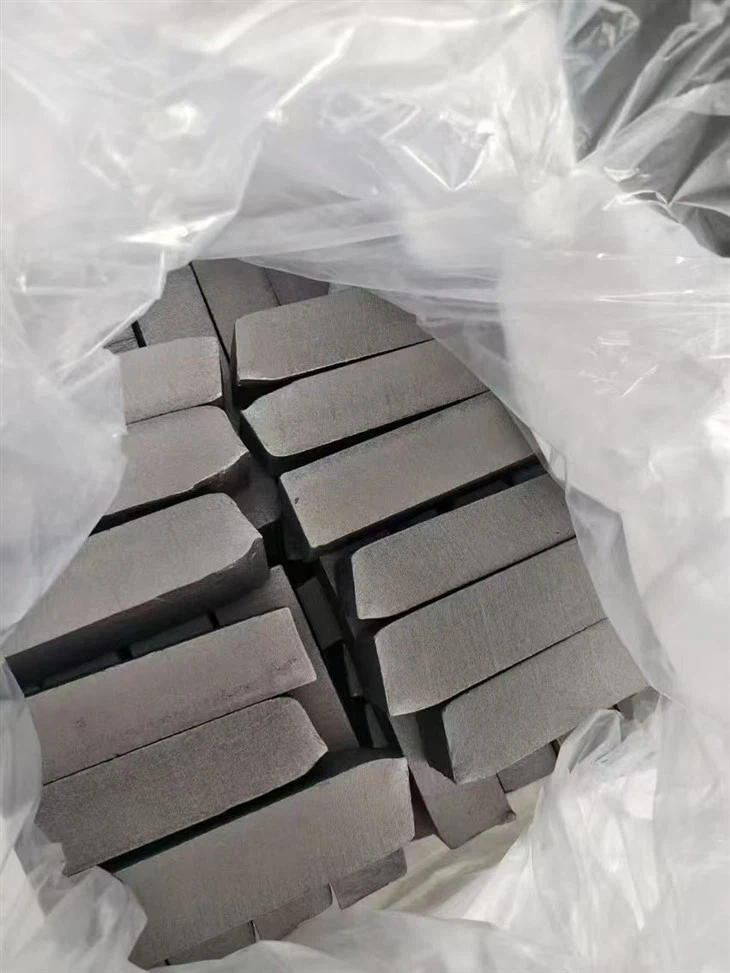
We also offer Meltbase Iron Billet, which is designed to be used in these advanced production processes. Our meltbase iron billets are of high quality and can be easily integrated into the production line, helping our customers to produce iron products more efficiently.
Promoting Sustainable Design and Use of Iron Products
As a supplier, I believe that we also have a role to play in promoting the sustainable design and use of iron products. This means encouraging our customers to design products that are durable, long - lasting, and easy to repair and recycle.
For example, in the construction industry, architects and engineers can design buildings with iron structures that are designed for easy disassembly and reuse. This way, at the end of the building's life, the iron components can be easily removed and recycled into new construction materials.
In the automotive industry, car manufacturers can design vehicles with iron parts that are modular and can be easily replaced or recycled. This reduces the overall demand for new raw iron over the life cycle of the vehicle.
We also offer High - Purity Iron that can be used in the production of high - quality, long - lasting products. Our high - purity iron has fewer impurities, which makes it more suitable for applications where durability and performance are crucial.
Collaborating with Stakeholders
Conserving raw iron resources is not a task that can be achieved by a single entity. It requires collaboration among various stakeholders, including mining companies, iron producers, manufacturers, and consumers.
As a raw iron supplier, I actively engage with my customers to understand their needs and help them find ways to use our products more efficiently. I also participate in industry associations and initiatives aimed at promoting sustainable iron production and consumption.
By working together, we can develop and implement best practices for conserving raw iron resources. For example, we can share information on new technologies and processes that can improve efficiency and reduce waste. We can also advocate for policies that support the conservation of raw iron resources at the local, national, and international levels.
Conclusion
Conserving raw iron resources is a critical challenge that requires the collective efforts of all stakeholders in the iron industry. By recycling and reusing iron products, improving mining efficiency, optimizing production processes, promoting sustainable design and use, and collaborating with others, we can ensure that our raw iron resources are used in the most efficient and sustainable way possible.
As a raw iron supplier, I am committed to playing my part in this important endeavor. I offer high - quality raw iron products that are produced and sourced in an environmentally responsible manner. If you are interested in learning more about our raw iron products or would like to discuss how we can work together to conserve raw iron resources, please feel free to reach out. We are always open to new partnerships and opportunities to contribute to a more sustainable future.
References
- American Iron and Steel Institute. (2023). Iron and Steel Recycling: A Sustainable Success Story.
- World Steel Association. (2023). Sustainability in the Steel Industry.
- U.S. Geological Survey. (2023). Mineral Commodity Summaries - Iron Ore.