


As a supplier of raw iron, I've witnessed firsthand the significant energy demands associated with raw iron extraction. In an era where sustainable practices are not just a trend but a necessity, finding ways to reduce energy consumption in this process is crucial. Not only does it benefit the environment, but it also cuts costs and enhances the competitiveness of our products. In this blog, I'll share some effective strategies that can be employed to achieve this goal.
1. Optimize Ore Selection
The quality of the iron ore used in the extraction process plays a pivotal role in energy consumption. High - grade ores typically contain a higher percentage of iron and fewer impurities. When we use high - grade ores, less energy is required to separate the iron from the gangue (the unwanted materials in the ore).
For example, hematite (Fe₂O₃) is a common iron ore. High - grade hematite ores can have iron contents of up to 65% or more. In contrast, low - grade ores may have iron contents as low as 30 - 40%. Processing low - grade ores often involves additional steps such as beneficiation, which includes crushing, grinding, and magnetic separation to increase the iron content. These additional steps consume a large amount of energy.
As a raw iron supplier, we invest in thorough geological surveys and ore testing to source high - grade ores. By doing so, we can reduce the energy needed in the extraction process right from the start. This not only benefits our bottom line but also contributes to a more sustainable operation.
2. Advancements in Smelting Technologies
Traditional smelting methods, such as the blast furnace process, are energy - intensive. However, new and emerging technologies offer more energy - efficient alternatives.
One such technology is direct reduced iron (DRI) production. In the DRI process, iron ore is reduced to metallic iron without melting it. This is typically done using a reducing gas, such as natural gas or syngas, at relatively lower temperatures compared to the blast furnace process. The DRI process can reduce energy consumption by up to 50% compared to the traditional blast furnace method.
Another promising technology is the use of electric arc furnaces (EAFs). EAFs use electricity to melt scrap iron and other metallic materials. They are more energy - efficient than blast furnaces, especially when using high - quality scrap iron. EAFs can also be powered by renewable energy sources, such as hydroelectric or solar power, further reducing the carbon footprint of the raw iron extraction process.
At our company, we are constantly researching and investing in these advanced smelting technologies. By adopting DRI production and EAFs, we can significantly reduce the energy consumption associated with raw iron extraction.
3. Waste Heat Recovery
A large amount of energy is wasted in the form of heat during the raw iron extraction process. For instance, in a blast furnace, the hot gases leaving the furnace carry a substantial amount of heat. By implementing waste heat recovery systems, we can capture this heat and reuse it for other purposes.
One common method of waste heat recovery is to use heat exchangers. Heat exchangers transfer the heat from the hot gases to a working fluid, such as water or steam. The heated working fluid can then be used to generate electricity, pre - heat the incoming air or fuel, or for other industrial processes.
In our operations, we have installed heat exchangers in our smelting facilities. These heat exchangers capture the waste heat from the furnaces and use it to pre - heat the incoming air for combustion. This reduces the amount of energy needed to heat the air, thereby lowering the overall energy consumption of the process.
4. Process Automation and Control
Automation and control systems can play a vital role in reducing energy consumption in raw iron extraction. By using sensors and advanced control algorithms, we can optimize the various parameters of the extraction process, such as temperature, pressure, and flow rates.
For example, in a smelting furnace, an automated control system can continuously monitor the temperature and adjust the fuel input accordingly. This ensures that the furnace operates at the optimal temperature, reducing energy waste due to over - heating or under - heating.
Automation can also help in the efficient use of raw materials. By precisely controlling the feed rates of the ore, fuel, and other additives, we can minimize waste and improve the overall efficiency of the process.
At our company, we have implemented state - of - the - art automation and control systems in our production facilities. These systems have not only improved the quality of our raw iron products but have also led to significant energy savings.
5. Energy - Efficient Equipment
The choice of equipment used in the raw iron extraction process can have a major impact on energy consumption. We should select energy - efficient equipment whenever possible.
For example, high - efficiency motors can be used in crushers, grinders, and pumps. These motors consume less electricity compared to standard motors while providing the same or better performance.
In addition, modern furnaces are designed to be more energy - efficient. They use advanced insulation materials to reduce heat loss and have better combustion systems to ensure more complete burning of the fuel.
As a raw iron supplier, we regularly upgrade our equipment to the latest energy - efficient models. This investment may require an initial capital outlay, but the long - term energy savings far outweigh the costs.
Product Introduction
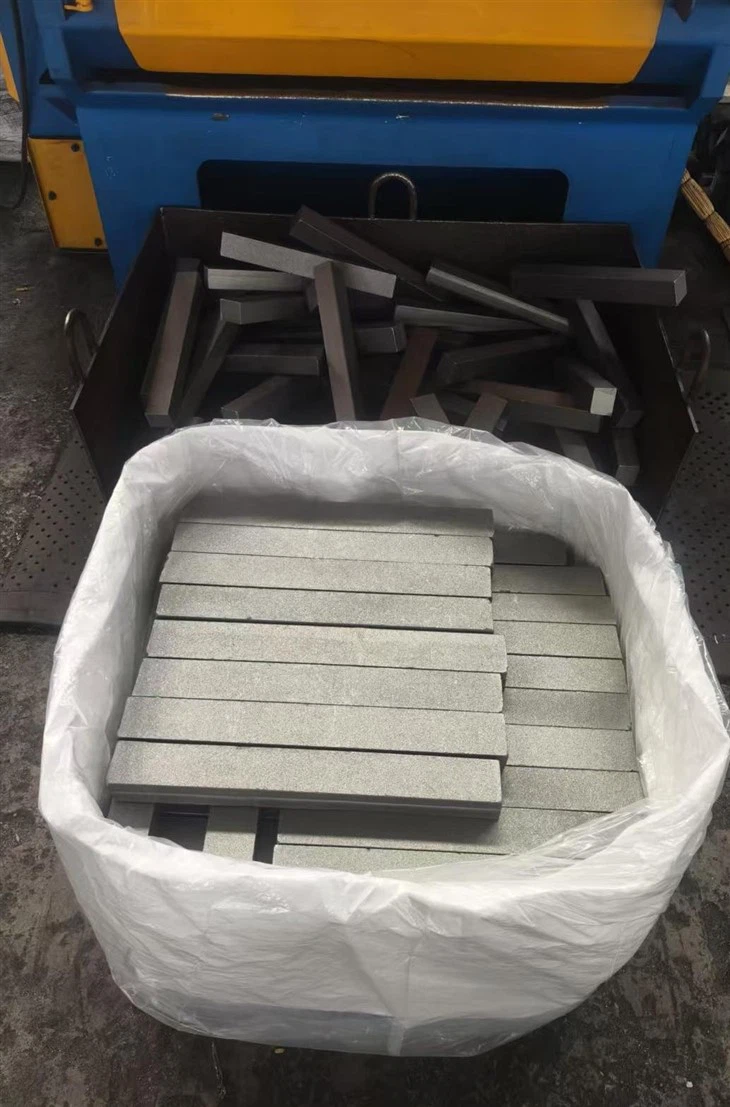
We offer a range of high - quality raw iron products, including YT01 Smelting Pure Iron Billets, Pure Iron Block, and Pure Iron Billet For Smelting. Our products are produced using the latest energy - efficient technologies and high - grade ores, ensuring not only high quality but also a reduced environmental impact.
Conclusion
Reducing energy consumption in raw iron extraction is a multi - faceted challenge that requires a combination of strategies. By optimizing ore selection, adopting advanced smelting technologies, recovering waste heat, implementing process automation, and using energy - efficient equipment, we can make significant progress in this area.
As a raw iron supplier, we are committed to sustainable practices. We believe that by reducing energy consumption, we can not only contribute to a greener planet but also provide more cost - effective and competitive products to our customers.
If you are interested in our raw iron products or want to discuss how we can work together to meet your iron needs in a more sustainable way, please feel free to contact us for procurement and negotiation.

References
- Habashi, F. (2006). Handbook of Extractive Metallurgy. Wiley - VCH.
- Gupta, C. K., & Mukherjee, T. K. (2006). Handbook of Mineral Processing. Elsevier.
- Worrell, E., & Galitsky, C. (2008). Energy Efficiency Improvement and Cost Saving Opportunities for the Iron and Steel Industry. Lawrence Berkeley National Laboratory.