


Hey there! I'm a supplier of raw iron, and I know firsthand how important it is to keep production costs down. In this blog post, I'm gonna share some practical ways to reduce the production cost of raw iron.
1. Optimize the Supply Chain
One of the first steps in reducing production costs is to optimize your supply chain. This means working closely with your suppliers to get the best prices for raw materials. For example, by negotiating long - term contracts with iron ore suppliers, you can lock in lower prices and avoid price fluctuations in the market.
Another aspect is to streamline the transportation process. Look for more efficient shipping methods and routes. If possible, source your raw materials from nearby suppliers. This can significantly cut down on transportation costs, which are a major part of the overall production cost. For instance, if you can find a local iron ore mine, you'll save on shipping fees, fuel costs, and potential delays.
2. Improve Energy Efficiency
Energy is a huge expense in the production of raw iron. We can take several steps to improve energy efficiency. First, invest in modern, energy - efficient equipment. Newer furnaces and processing machinery are designed to use less energy while maintaining high productivity. For example, high - efficiency electric arc furnaces can convert electrical energy into heat more effectively, reducing overall energy consumption.
Also, implement energy management systems. These systems can monitor and control energy usage in real - time, allowing you to identify areas where energy is being wasted. You can then take corrective actions, such as adjusting the temperature settings of your furnaces or turning off equipment when it's not in use.
3. Enhance Production Processes
Improving production processes can lead to significant cost savings. One way is to increase the yield of raw iron from the iron ore. By using advanced beneficiation techniques, you can extract more iron from the ore, reducing the amount of ore needed to produce a given amount of raw iron.
Automation is another key factor. Automating certain parts of the production process can reduce labor costs and improve accuracy. For example, automated conveyor systems can move materials around the factory more efficiently, and robotic arms can perform repetitive tasks with high precision. This not only speeds up production but also reduces the risk of human error.
4. Recycle and Reuse
Recycling and reusing materials is a great way to cut costs. In the raw iron production process, there are often waste materials that can be recycled. For example, slag, which is a by - product of iron smelting, can be used in the construction industry. By selling or reusing these waste materials, you can offset some of the production costs.
You can also recycle scrap iron. Scrap iron can be melted down and used as a substitute for some of the iron ore in the production process. This not only reduces the need for new iron ore but also saves on the energy required to mine and process it.
5. Employee Training and Productivity
Well - trained employees are more productive and can help reduce production costs. Provide regular training to your workers on the latest production techniques and safety procedures. When employees are well - trained, they are less likely to make mistakes, which can lead to wasted materials and increased costs.
In addition, create a positive work environment that encourages productivity. Offer incentives for employees to meet or exceed production targets. Happy and motivated employees are more likely to work efficiently, leading to cost savings in the long run.
6. Quality Control
Maintaining high - quality standards is crucial for reducing production costs. Poor - quality raw iron can lead to rework, waste, and customer dissatisfaction. Implement a strict quality control system to ensure that the raw iron meets the required specifications.

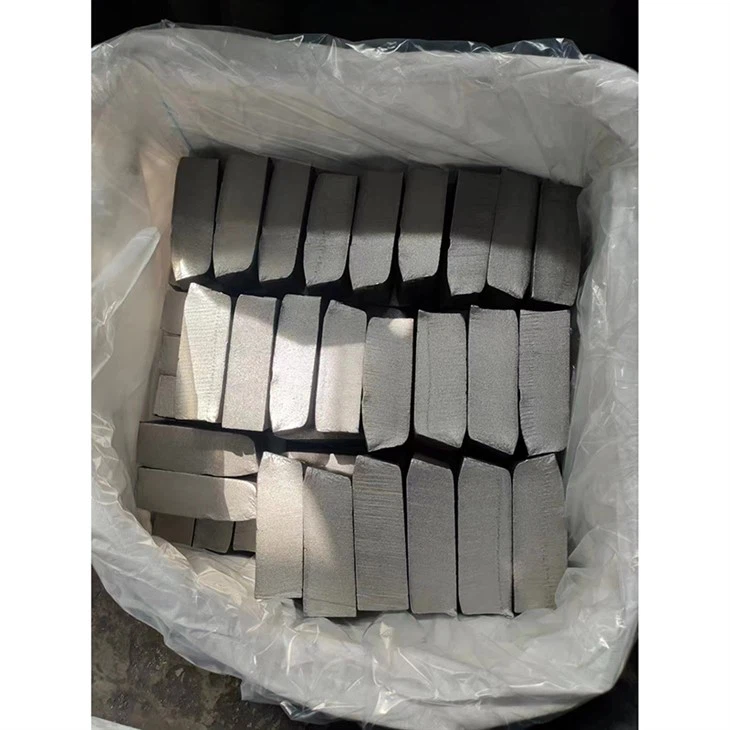
By catching quality issues early in the production process, you can avoid costly rework and scrap. This also helps build a good reputation for your products, which can lead to more business in the long term.
7. Explore New Technologies
The iron production industry is constantly evolving, and new technologies are emerging all the time. Keep an eye on these new technologies and consider implementing them in your production process. For example, new smelting technologies can reduce energy consumption and increase the efficiency of iron production.
Some companies are also exploring the use of artificial intelligence and machine learning in the production process. These technologies can analyze data in real - time to optimize production parameters, leading to cost savings.
Connect with Us for Raw Iron
If you're interested in purchasing Pure iron material, High - Purity Iron Billets, or Pure Iron Billet, we're here to help. We're committed to providing high - quality raw iron at competitive prices. Whether you're a small - scale manufacturer or a large industrial company, we can meet your needs. Reach out to us for a quote and let's start a great business relationship!
References
- Smith, J. (2020). "Cost - Saving Strategies in the Iron Production Industry." Journal of Industrial Economics.
- Johnson, R. (2019). "Energy Efficiency in Iron Smelting." International Journal of Energy Management.
- Brown, A. (2021). "Supply Chain Optimization for Raw Material Production." Supply Chain Review.