



Hey there! I'm an electrolytic sheets supplier, and today I'm super excited to chat with you about how coatings can significantly improve the properties of electrolytic sheets.
Why Coatings Matter
First off, let's understand why coatings are such a big deal for electrolytic sheets. Electrolytic sheets are used in a wide range of applications, from electrical components to industrial machinery. But on their own, they may not always have all the properties we need. That's where coatings come in. They can add a whole bunch of benefits that make these sheets even more useful.
Enhancing Electrical Properties
One of the key areas where coatings shine is in improving the electrical properties of electrolytic sheets. For electrical applications, we often need sheets with specific conductivity levels. Some coatings can help to enhance the electrical conductivity of the sheets. This is crucial in applications like ELECTRICAL PURE IRON SHEETS & STRIPS, where high conductivity is essential for efficient electrical performance.
Imagine a scenario where you're using electrolytic sheets in a circuit board. A well - chosen coating can reduce the resistance in the circuit, allowing electricity to flow more freely. This not only improves the overall efficiency of the device but also reduces the risk of overheating and electrical failures.
On the other hand, in some cases, we might want to insulate the sheets. There are coatings that can act as electrical insulators. This is useful when the sheets are in close proximity to other electrical components, and we need to prevent short - circuits. For example, in complex electrical systems, these insulating coatings can provide an extra layer of safety and reliability.
Improving Corrosion Resistance
Corrosion is a major headache when it comes to using electrolytic sheets. Over time, exposure to moisture, chemicals, and other environmental factors can cause the sheets to rust and deteriorate. This not only affects the appearance of the sheets but also their structural integrity and performance.
That's where Corrosion Resistant Electrolytic Sheets come into play. Coatings can act as a protective barrier between the sheet and the corrosive environment. There are various types of anti - corrosion coatings available, such as epoxy coatings and zinc - based coatings.
Epoxy coatings are known for their excellent adhesion and chemical resistance. They form a tough, durable layer on the surface of the sheet, preventing moisture and chemicals from reaching the underlying metal. Zinc - based coatings, on the other hand, work through a process called galvanization. Zinc is more reactive than iron, so when the coating is exposed to the environment, the zinc corrodes first, protecting the iron in the sheet.
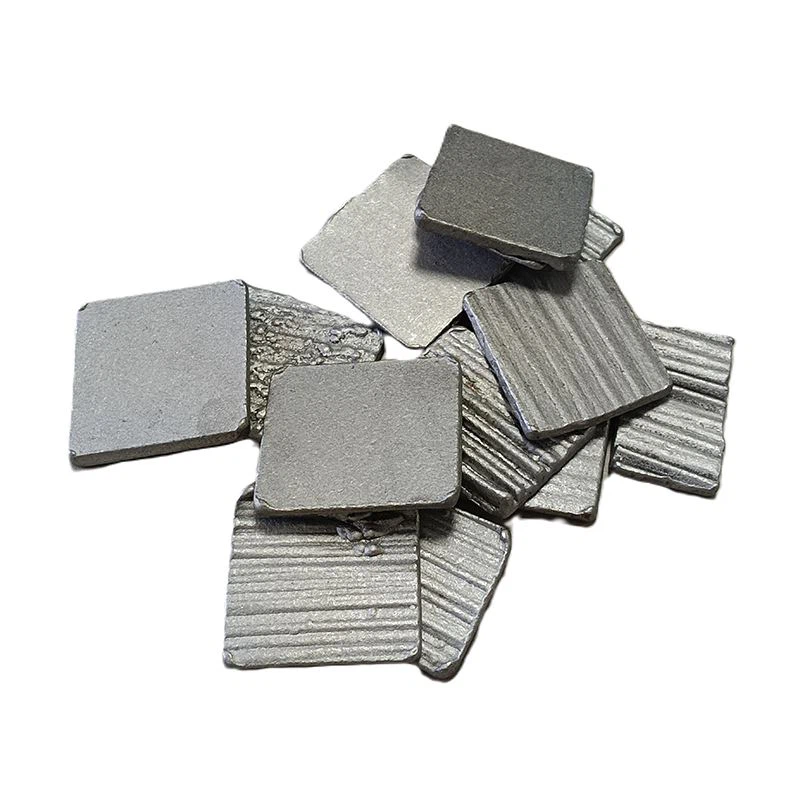

By using these corrosion - resistant coatings, we can significantly extend the lifespan of the electrolytic sheets. This is especially important in outdoor applications or in industries where the sheets are exposed to harsh chemicals, like the chemical processing industry.
Increasing Mechanical Strength
Another important aspect is the mechanical strength of the electrolytic sheets. In many applications, the sheets need to withstand a certain amount of stress and pressure. Coatings can help to improve the mechanical properties of the sheets, making them more resistant to wear and tear.
Some coatings can increase the hardness of the sheet surface. This is beneficial in applications where the sheets are in contact with other moving parts. For example, in machinery, a harder surface coating can reduce friction and prevent abrasion. This not only extends the life of the sheet but also improves the overall performance of the machinery.
Coatings can also enhance the flexibility of the sheets. In some cases, we need the sheets to be able to bend or flex without cracking. A flexible coating can provide this additional flexibility, making the sheets more suitable for applications where they need to be formed into different shapes.
Thermal Management
Thermal management is also a critical factor in many applications of electrolytic sheets. Some coatings can help to improve the thermal conductivity of the sheets. This is important in applications where heat dissipation is necessary, such as in electronic devices.
For instance, High Quality Low Impurity High Purity Electrolytic Cells 2 - 3mm Thickness 40mm Length Electrolytic Pure Iron Flakes may generate a significant amount of heat during operation. A coating with good thermal conductivity can help to transfer this heat away from the sheet more efficiently, preventing overheating and potential damage to the device.
On the other hand, there are also coatings that can act as thermal insulators. In applications where we need to maintain a specific temperature, these insulating coatings can be very useful. They can prevent heat from escaping or entering the sheet, depending on the requirements of the application.
Surface Finish and Aesthetics
Let's not forget about the surface finish and aesthetics of the electrolytic sheets. Coatings can give the sheets a smooth, uniform surface finish. This is not only important for the visual appeal but also for practical reasons. A smooth surface can be easier to clean and maintain, and it can also reduce the risk of dirt and debris sticking to the sheet.
There are various types of coatings available that can provide different surface finishes, from glossy to matte. Depending on the application and the customer's preferences, we can choose the most suitable coating to achieve the desired look.
Choosing the Right Coating
Now that we've seen all the amazing benefits of coatings for electrolytic sheets, the next question is how to choose the right coating. Well, it depends on several factors.
First, we need to consider the application of the sheets. If it's an electrical application, we'll focus on coatings that improve electrical properties. For outdoor or corrosive environments, corrosion - resistant coatings will be a top priority.
The cost is also an important factor. Some coatings can be more expensive than others, so we need to balance the cost with the benefits. We also need to consider the ease of application. Some coatings may require special equipment or processes to apply, which can add to the overall cost and complexity.
Conclusion
In conclusion, coatings play a crucial role in improving the properties of electrolytic sheets. They can enhance electrical conductivity, improve corrosion resistance, increase mechanical strength, manage thermal properties, and provide a better surface finish. As an electrolytic sheets supplier, I'm always looking for the best coating solutions to meet the diverse needs of my customers.
If you're interested in learning more about our electrolytic sheets and the coating options available, or if you're looking to place an order, I'd love to hear from you. Just reach out, and we can start a discussion about your specific requirements. Let's work together to find the perfect solution for your project!
References
- "Handbook of Coatings Technology"
- "Electrical Materials and Their Applications"
- "Corrosion Science and Engineering"