



ASTM A719 is a specification for low-alloy steel forgings for pressure vessels and related equipment. As a supplier of ASTM A719 products, I often receive inquiries about how this material performs in alkaline environments. In this blog post, I will explore the behavior of ASTM A719 in alkaline settings, considering factors such as corrosion resistance, mechanical properties, and long - term durability.
1. Chemical Composition and its Role in Alkaline Resistance
The chemical composition of ASTM A719 plays a crucial role in determining its performance in alkaline environments. This low - alloy steel typically contains elements like carbon, manganese, silicon, and small amounts of other alloying elements. Carbon provides strength to the steel, but in an alkaline environment, it can potentially react with hydroxide ions under certain conditions. However, the presence of other elements helps to mitigate the negative effects.
Manganese improves the hardenability and strength of the steel. It also forms stable oxides on the surface, which can act as a protective layer to some extent in alkaline solutions. Silicon is another important element; it enhances the oxidation resistance and can contribute to the formation of a passive film on the steel surface. These protective layers can prevent the direct contact of the steel with the alkaline medium, thus reducing the rate of corrosion.
The low - alloy nature of ASTM A719 means that it does not have the high levels of chromium or nickel found in stainless steels, which are well - known for their excellent corrosion resistance in various environments. But in alkaline conditions, the combination of its alloying elements still provides a certain degree of protection.
2. Corrosion Mechanisms in Alkaline Environments
In alkaline environments, the main corrosion mechanism for ASTM A719 is electrochemical corrosion. The alkaline solution acts as an electrolyte, and the steel forms an anode - cathode system. At the anode, iron atoms lose electrons and dissolve into the solution as iron ions:
[Fe\rightarrow Fe^{2 +}+2e^{-}]
The electrons released then flow to the cathode, where reduction reactions occur. In an alkaline environment, the most common reduction reaction is the reduction of oxygen:
[O_{2}+2H_{2}O + 4e^{-}\rightarrow4OH^{-}]
The iron ions react with hydroxide ions in the solution to form iron hydroxides, which can further oxidize to form iron oxides (rust).
However, the rate of this corrosion process is affected by several factors. The pH of the alkaline solution is a critical factor. Generally, at higher pH values, the solubility of iron hydroxides decreases, which can lead to the formation of a more stable passive film on the steel surface. This passive film can slow down the corrosion rate. The temperature of the alkaline solution also has a significant impact. Higher temperatures usually accelerate the corrosion process as they increase the mobility of ions and the reaction rates.
3. Experimental Studies on ASTM A719 in Alkaline Environments
Numerous experimental studies have been conducted to evaluate the performance of ASTM A719 in alkaline conditions. These studies typically involve immersing specimens of ASTM A719 in alkaline solutions with different pH values and temperatures for a certain period. The mass loss of the specimens is measured to calculate the corrosion rate.
Some studies have shown that ASTM A719 exhibits relatively low corrosion rates in moderately alkaline solutions ((pH) around 9 - 11) at room temperature. The protective oxide layer formed on the surface can effectively reduce the contact between the steel and the corrosive medium. However, in highly alkaline solutions ((pH>13)) or at elevated temperatures, the corrosion rate increases significantly.
In addition to mass loss measurements, other techniques such as electrochemical impedance spectroscopy (EIS) and scanning electron microscopy (SEM) are also used. EIS can provide information about the electrical properties of the surface film and the corrosion process. SEM can be used to observe the morphology of the corroded surface, which helps to understand the corrosion mechanisms occurring on the steel.
4. Impact on Mechanical Properties
The corrosion of ASTM A719 in alkaline environments can have a significant impact on its mechanical properties. As the steel corrodes, the cross - sectional area of the material decreases, which can lead to a reduction in its load - bearing capacity. The formation of corrosion products can also cause internal stress in the material, which may lead to cracking and premature failure.
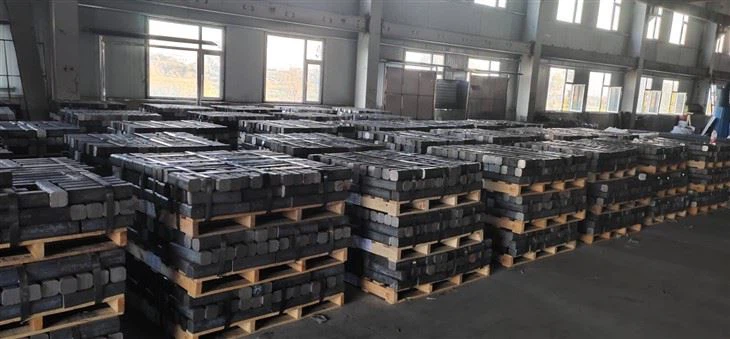

The ductility of ASTM A719 can be affected by corrosion. Corrosion can introduce defects and micro - cracks in the material, which can act as stress concentrators. During deformation, these defects can initiate crack propagation, reducing the elongation and toughness of the steel.
However, proper surface treatment and control of the alkaline environment can help to minimize these negative effects on mechanical properties. For example, applying a protective coating on the ASTM A719 surface can prevent corrosion and maintain the mechanical integrity of the material.
5. Comparison with Other Similar Materials
When comparing ASTM A719 with other materials in alkaline environments, it is important to consider its advantages and disadvantages. For example, USL Pure Iron Billet and Pure Iron Steel are relatively pure iron - based materials. They may have different corrosion behaviors in alkaline solutions compared to ASTM A719.
Pure iron materials generally have lower alloying element content. In some cases, they may form a more uniform and passive oxide layer in alkaline environments, which can provide good corrosion resistance. However, their mechanical strength may be lower than that of ASTM A719.
Soft Iron is another type of iron - based material. It is known for its high magnetic permeability and relatively soft nature. In alkaline environments, its corrosion resistance and mechanical performance may also differ from ASTM A719. Soft iron may be more prone to corrosion in some cases due to its lower alloy content, but it may be more suitable for applications where magnetic properties are crucial.
6. Applications in Alkaline Environments
Despite the potential corrosion issues, ASTM A719 still finds applications in alkaline environments. In the chemical industry, it can be used for the fabrication of pressure vessels and pipes that handle alkaline solutions. Its relatively good strength and moderate corrosion resistance make it a cost - effective choice for many applications.
In the water treatment industry, ASTM A719 components can be used in systems that involve the treatment of alkaline water. However, in these applications, proper corrosion prevention measures such as coating, cathodic protection, or regular inspection and maintenance are usually required to ensure the long - term performance of the material.
7. Conclusion and Call to Action
In conclusion, ASTM A719 has a complex behavior in alkaline environments. Its performance is influenced by factors such as chemical composition, pH, temperature, and the presence of other substances in the alkaline solution. While it can corrode in alkaline conditions, proper design, surface treatment, and maintenance can help to extend its service life and ensure its reliability in various applications.
If you are in need of ASTM A719 products for your projects in alkaline environments or have any questions about its performance, I encourage you to contact me for a detailed discussion. We can work together to find the best solutions for your specific requirements.
References
- Jones, D. A. (1996). Principles and Prevention of Corrosion. Prentice Hall.
- Uhlig, H. H., & Revie, R. W. (2010). Corrosion and Corrosion Control: An Introduction to Corrosion Science and Engineering. Wiley.
- ASTM International. (2023). ASTM A719 - Standard Specification for Low - Alloy Steel Forgings for Pressure Vessels and Related Equipment.