


As a supplier of furnace material pure iron, I've witnessed firsthand the intricate dance between pure iron and slag within a furnace. This interaction is not only a cornerstone of the metallurgical process but also a topic that holds immense importance for those in the industry. In this blog, I'll delve into the science behind how pure iron interacts with slag in a furnace, exploring the mechanisms, implications, and practical considerations.
Understanding Pure Iron and Slag
Before we dive into their interaction, let's briefly understand what pure iron and slag are. Pure iron, as the name suggests, is iron in its most elemental form, with minimal impurities. It serves as the base material for many iron and steel products, offering high ductility and magnetic properties. Our company provides various forms of pure iron, such as Foundry-Grade Pure Iron, Iron Billet, and High-Purity Iron, each tailored to specific industrial needs.
Slag, on the other hand, is a byproduct of the smelting process. It is a complex mixture of metal oxides, silicates, and other impurities that are removed from the molten metal. Slag plays a crucial role in the furnace operation, as it helps to separate the valuable metal from the unwanted impurities, protects the molten metal from oxidation, and facilitates heat transfer.
The Interaction Mechanisms
The interaction between pure iron and slag in a furnace is a complex process that involves both physical and chemical reactions. These reactions occur at the interface between the molten iron and the slag, driven by factors such as temperature, composition, and surface tension.
Physical Reactions
One of the primary physical reactions is the separation of the molten iron and the slag due to their different densities. Iron, being denser than slag, settles at the bottom of the furnace, while the slag floats on top. This separation is essential for the efficient extraction of the iron, as it allows for easy removal of the slag and collection of the pure iron.
Another physical aspect is the heat transfer between the iron and the slag. The slag acts as an insulator, reducing the heat loss from the molten iron to the furnace walls. This helps to maintain a high temperature in the molten iron, which is crucial for the melting and refining processes.
Chemical Reactions
The chemical reactions between pure iron and slag are more complex and depend on the composition of the slag. In general, the slag contains various metal oxides, such as silica (SiO₂), alumina (Al₂O₃), and lime (CaO), which can react with the iron and its impurities.
One of the most important chemical reactions is the removal of sulfur and phosphorus from the iron. Sulfur and phosphorus are common impurities in iron ore, and their presence can significantly affect the properties of the final iron product. The slag contains basic oxides, such as lime, which react with sulfur and phosphorus to form sulfides and phosphates, respectively. These compounds are then absorbed by the slag and removed from the molten iron.
Another chemical reaction is the oxidation and reduction of iron. In some cases, the slag may contain oxidizing agents, such as oxygen or iron oxide, which can react with the iron to form iron oxide. This reaction can be used to control the carbon content in the iron, as carbon can react with the iron oxide to form carbon monoxide and pure iron.
Factors Affecting the Interaction
Several factors can affect the interaction between pure iron and slag in a furnace. Understanding these factors is crucial for optimizing the furnace operation and achieving high-quality iron products.
Temperature
Temperature plays a vital role in the interaction between pure iron and slag. At high temperatures, the chemical reactions between the iron and the slag are more likely to occur, as the atoms have more energy to overcome the activation energy barriers. Additionally, high temperatures can reduce the viscosity of the slag, making it easier for the iron and the slag to separate.
Slag Composition
The composition of the slag has a significant impact on its interaction with pure iron. Different metal oxides in the slag have different chemical properties and can react with the iron and its impurities in different ways. For example, a slag with a high lime content is more effective in removing sulfur and phosphorus from the iron, while a slag with a high silica content can improve the fluidity of the slag.
Iron Composition
The composition of the pure iron also affects its interaction with the slag. Impurities in the iron, such as sulfur, phosphorus, and carbon, can react with the slag and change its properties. Additionally, the presence of alloying elements in the iron can affect the chemical reactions between the iron and the slag.
Furnace Atmosphere
The furnace atmosphere can also influence the interaction between pure iron and slag. An oxidizing atmosphere can promote the oxidation of the iron and its impurities, while a reducing atmosphere can prevent oxidation and promote the reduction of iron oxides.
Implications for the Furnace Operation
The interaction between pure iron and slag has several implications for the furnace operation. By understanding these implications, furnace operators can optimize the process and improve the quality and efficiency of the iron production.
Quality of the Iron Product
The interaction between pure iron and slag directly affects the quality of the final iron product. By effectively removing the impurities from the iron, the slag can improve the purity and mechanical properties of the iron. Additionally, the control of the carbon content in the iron through the interaction with the slag can ensure the desired hardness and ductility of the iron.
Furnace Efficiency
The interaction between pure iron and slag can also impact the furnace efficiency. By reducing the heat loss from the molten iron to the furnace walls, the slag can improve the energy efficiency of the furnace. Additionally, the proper separation of the iron and the slag can reduce the amount of slag that needs to be removed from the furnace, saving time and resources.
Furnace Refractory Life
The interaction between pure iron and slag can also affect the life of the furnace refractory. The slag can react with the refractory materials and cause corrosion and erosion. By carefully controlling the composition of the slag and the furnace atmosphere, furnace operators can minimize the damage to the refractory and extend its service life.
Practical Considerations for Furnace Operators
Based on our experience as a furnace material pure iron supplier, here are some practical considerations for furnace operators to optimize the interaction between pure iron and slag in a furnace.
Select the Right Slag Composition
The selection of the right slag composition is crucial for achieving the desired interaction with pure iron. Furnace operators should consider the composition of the iron ore, the impurities to be removed, and the desired properties of the final iron product when choosing the slag composition.
Control the Furnace Temperature
Maintaining the appropriate furnace temperature is essential for promoting the chemical reactions between pure iron and slag. Furnace operators should monitor the temperature closely and adjust the heating system as needed to ensure a stable and optimal temperature.
Monitor the Iron and Slag Composition
Regularly monitoring the composition of the iron and the slag is necessary to ensure that the interaction is proceeding as expected. Furnace operators can use various analytical techniques, such as spectroscopy and chemical analysis, to determine the composition of the iron and the slag.
Optimize the Furnace Atmosphere
The furnace atmosphere can have a significant impact on the interaction between pure iron and slag. Furnace operators should control the oxygen content in the furnace atmosphere to prevent oxidation and promote the desired chemical reactions.
Conclusion
The interaction between pure iron and slag in a furnace is a complex and fascinating process that involves both physical and chemical reactions. Understanding this interaction is crucial for optimizing the furnace operation and achieving high-quality iron products. As a supplier of furnace material pure iron, we are committed to providing our customers with the highest quality products and technical support to help them achieve their goals.
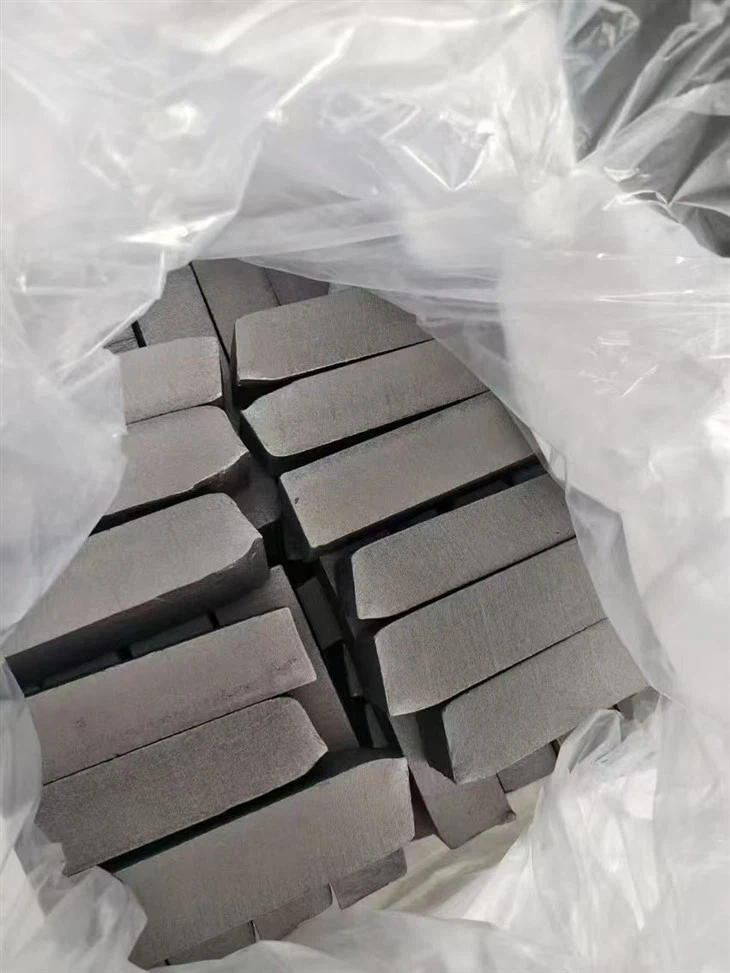

If you are interested in learning more about our furnace material pure iron products or have any questions about the interaction between pure iron and slag in a furnace, please feel free to contact us. We look forward to the opportunity to discuss your specific needs and explore potential partnerships.
References
- [1]ASM Handbook, Volume 1: Properties and Selection: Irons, Steels, and High-Performance Alloys. ASM International.
- [2]Kubaschewski, O., & Hopkins, B. E. (1962). Oxidation of Metals and Alloys. Butterworths.
- [3]Llewellyn, D. T. (1998). Principles of Extractive Metallurgy. Pergamon Press.