



Determining the diameter of wire rod coils of iron is a crucial aspect of the iron and steel industry, especially for a supplier like me. The right diameter ensures that the wire rod coils meet the specific requirements of various applications, from sensor materials to automotive parts. In this blog post, I'll share some key methods and considerations for accurately determining the diameter of wire rod coils of iron.
Understanding the Importance of Diameter
The diameter of wire rod coils of iron plays a significant role in determining their mechanical properties, electrical conductivity, and suitability for different applications. For instance, in the production of sensor materials, a precise diameter is essential to ensure accurate signal transmission. Similarly, in automotive parts, the diameter affects the strength and durability of the components. As a supplier, it's my responsibility to provide wire rod coils with the right diameter to meet the diverse needs of my customers.
Measuring the Diameter
There are several methods available for measuring the diameter of wire rod coils of iron. Each method has its advantages and limitations, and the choice of method depends on factors such as the accuracy required, the size of the wire rod, and the available equipment.
Direct Measurement
One of the simplest and most common methods is direct measurement using a caliper or a micrometer. These tools provide a quick and accurate way to measure the diameter of the wire rod. To measure the diameter, place the wire rod between the jaws of the caliper or micrometer and close the jaws until they make contact with the wire rod. Read the measurement on the scale of the tool.
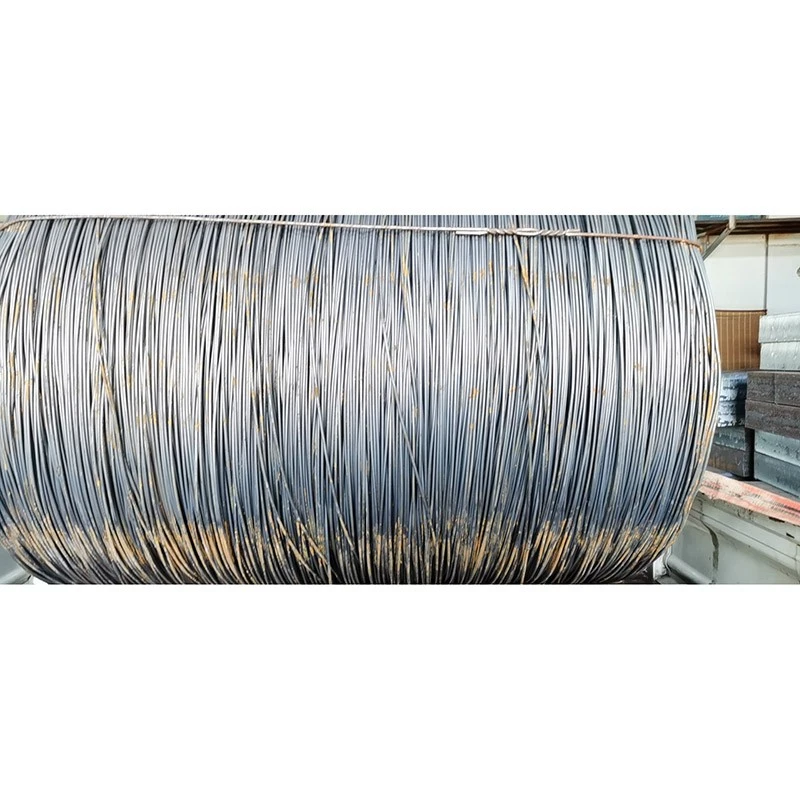

Direct measurement is suitable for wire rods with relatively large diameters. However, it may not be practical for very small diameter wire rods, as it can be difficult to obtain an accurate measurement using these tools.
Optical Measurement
Optical measurement methods, such as laser scanning and vision systems, are becoming increasingly popular for measuring the diameter of wire rod coils of iron. These methods offer high accuracy and can measure the diameter of wire rods with very small diameters.
Laser scanning systems use a laser beam to scan the surface of the wire rod and measure its diameter. The laser beam is reflected off the surface of the wire rod and detected by a sensor. The sensor then calculates the diameter of the wire rod based on the time it takes for the laser beam to travel to the wire rod and back.
Vision systems use a camera to capture an image of the wire rod and analyze the image to determine its diameter. The camera is typically mounted above the wire rod, and the image is processed using software to measure the diameter.
Optical measurement methods are non-contact, which means they do not damage the wire rod during the measurement process. They are also fast and can provide real-time measurements, making them suitable for use in high-speed production lines.
Eddy Current Measurement
Eddy current measurement is another method that can be used to measure the diameter of wire rod coils of iron. This method is based on the principle of electromagnetic induction. When an alternating current is passed through a coil, it creates a magnetic field. If a conductive material, such as a wire rod, is placed in the magnetic field, eddy currents are induced in the material. The magnitude of the eddy currents depends on the diameter and conductivity of the wire rod.
Eddy current measurement systems use a probe to generate the magnetic field and detect the eddy currents in the wire rod. The probe is typically placed in close proximity to the wire rod, and the measurement is taken as the wire rod passes through the probe.
Eddy current measurement is suitable for measuring the diameter of wire rods with a wide range of diameters. It is also non-contact and can provide real-time measurements. However, it may be affected by factors such as the surface condition of the wire rod and the presence of magnetic materials in the vicinity of the measurement.
Factors Affecting Diameter Determination
In addition to the measurement method, several other factors can affect the accuracy of diameter determination. These factors should be considered when measuring the diameter of wire rod coils of iron.
Temperature
The temperature of the wire rod can affect its diameter. As the temperature of the wire rod increases, it expands, and its diameter increases. Conversely, as the temperature decreases, the wire rod contracts, and its diameter decreases. Therefore, it is important to measure the diameter of the wire rod at a known temperature and make any necessary corrections to the measurement.
Surface Condition
The surface condition of the wire rod can also affect the accuracy of the measurement. If the surface of the wire rod is rough or uneven, it can be difficult to obtain an accurate measurement. Therefore, it is important to ensure that the surface of the wire rod is clean and smooth before taking the measurement.
Tension
The tension in the wire rod can also affect its diameter. If the wire rod is under tension, it can be stretched, and its diameter can decrease. Conversely, if the wire rod is loose, it can sag, and its diameter can increase. Therefore, it is important to ensure that the wire rod is under the appropriate tension when taking the measurement.
Applications of Wire Rod Coils of Iron
Wire rod coils of iron are used in a wide range of applications, including electrical, automotive, and construction industries. Here are some examples of how different diameters of wire rod coils of iron are used in these applications:
Sensor Materials
For sensor materials, a small diameter wire rod is often required to ensure high sensitivity and accuracy. Pure Iron Wire Rod for Sensor Materials | X T Precision Solutions is a product that is specifically designed for use in sensor applications. The precise diameter of this wire rod ensures reliable performance in sensor devices.
Electrode Material
In the production of electrodes, a larger diameter wire rod may be required to provide sufficient current-carrying capacity. Pure Iron Coil for Electrode Material is a suitable product for this application, as it has the right diameter and electrical properties to meet the requirements of electrode production.
Automotive Parts
Automotive parts require wire rod coils of iron with different diameters depending on the specific application. For example, in the production of engine components, a high-strength wire rod with a specific diameter may be required. Pure Iron Coils for Automotive Parts are designed to meet the demanding requirements of the automotive industry, providing the necessary strength and durability.
Conclusion
Determining the diameter of wire rod coils of iron is a critical step in ensuring the quality and performance of the wire rod. By understanding the different measurement methods available and the factors that can affect the accuracy of the measurement, suppliers can provide wire rod coils with the right diameter to meet the specific needs of their customers.
If you are in need of high-quality wire rod coils of iron for your application, I invite you to contact me to discuss your requirements. I have a wide range of wire rod coils available in different diameters and specifications, and I am committed to providing excellent customer service and support.
References
- ASM Handbook, Volume 1: Properties and Selection: Irons, Steels, and High-Performance Alloys
- ASTM Standards for Iron and Steel Products
- Modern Steelmaking: Principles and Processes