



As an iron sheet supplier, ensuring the safe transportation of our products is of utmost importance. Iron sheets are widely used in various industries, such as construction, manufacturing, and automotive. However, due to their large size, heavy weight, and sharp edges, transporting them safely can be a challenging task. In this blog post, I will share some essential tips and best practices on how to transport iron sheets safely.
Understanding the Types of Iron Sheets
Before discussing the transportation methods, it's crucial to understand the different types of iron sheets available. Two common types are Hot Rolled Iron Sheet and Cold Rolled Iron Sheet.
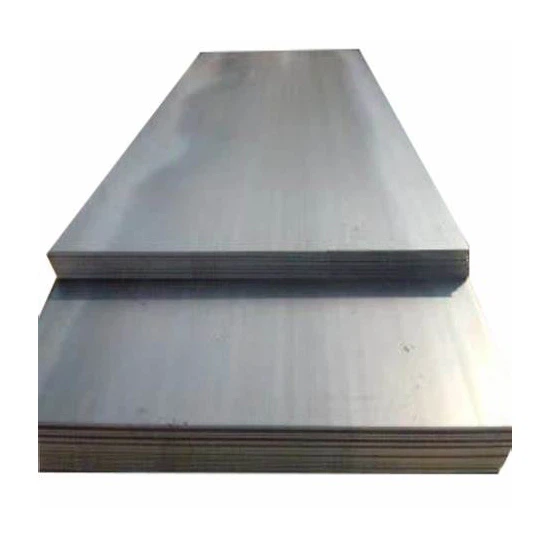
Hot rolled iron sheets are produced by rolling the iron at high temperatures. They have a rough surface finish and are typically used for structural applications. Cold rolled iron sheets, on the other hand, are rolled at room temperature, resulting in a smoother surface finish and better dimensional accuracy. They are often used in applications where aesthetics and precision are important.
Pre - transportation Preparations
Inspection
Before loading the iron sheets onto the transport vehicle, a thorough inspection is necessary. Check for any signs of damage, such as cracks, dents, or rust. Damaged iron sheets should be separated and either repaired or discarded, as they can pose a safety risk during transportation and may not meet the quality requirements of the customers.
Packaging
Proper packaging is essential to protect the iron sheets during transit. Use protective materials such as plastic sheets, cardboard, or wooden pallets. Plastic sheets can prevent moisture from reaching the iron sheets, which helps to avoid rusting. Cardboard can provide a cushioning effect, reducing the risk of scratches and dents. Wooden pallets are useful for stacking the iron sheets securely and facilitating easy handling with forklifts.

Securing the Load
Once the iron sheets are packaged, they need to be secured properly on the transport vehicle. Use strong straps, chains, or ropes to hold the iron sheets in place. Make sure the straps are tightened enough to prevent the iron sheets from shifting during transportation. For large - scale shipments, consider using custom - made racks or containers designed specifically for transporting iron sheets. These racks can provide better support and stability, reducing the risk of accidents.
Choosing the Right Transport Vehicle
Vehicle Capacity
Select a transport vehicle with sufficient capacity to carry the iron sheets. Consider the size, weight, and quantity of the iron sheets when choosing the vehicle. Overloading the vehicle can lead to instability, increased wear and tear on the vehicle, and potential legal issues. For example, if you are transporting a large number of thick iron sheets, a flatbed truck with a high - weight capacity may be the best choice.
Vehicle Condition
The condition of the transport vehicle is also crucial. Ensure that the vehicle is in good working order, with properly functioning brakes, tires, and suspension. A well - maintained vehicle is less likely to break down during the journey, reducing the risk of delays and potential damage to the iron sheets.
Loading and Unloading
Loading
When loading the iron sheets onto the vehicle, use appropriate equipment such as forklifts or cranes. Make sure the equipment is operated by trained and experienced personnel. Load the iron sheets in an orderly manner, stacking them evenly to maintain the balance of the vehicle. Avoid over - stacking, as this can increase the risk of the iron sheets toppling over.
Unloading
Unloading should be done with the same level of care as loading. Use the same appropriate equipment and trained operators. When unloading, be careful not to drop or drag the iron sheets, as this can cause damage. Place the iron sheets in a safe and stable location at the destination.
Route Planning
Road Conditions
Plan the transportation route carefully, taking into account the road conditions. Avoid roads with potholes, uneven surfaces, or low - clearance bridges, as these can cause the iron sheets to shift or be damaged. Check the weather forecast in advance, as adverse weather conditions such as heavy rain, snow, or strong winds can also affect the safety of the transportation.
Traffic Patterns
Consider the traffic patterns along the route. Try to avoid peak traffic hours to reduce the risk of sudden stops and starts, which can cause the iron sheets to move. If possible, choose a route with less traffic congestion.
Safety Measures During Transportation
Driver Training
Ensure that the driver of the transport vehicle is well - trained in handling heavy loads. The driver should be familiar with the safety procedures for transporting iron sheets, including how to secure the load properly and how to respond in case of an emergency. Provide regular training and refresher courses to keep the drivers updated on the latest safety practices.
Monitoring
During transportation, it's a good idea to monitor the load. Some modern transport vehicles are equipped with tracking systems that can provide real - time information about the location and condition of the load. This can help to detect any issues early and take appropriate action.
Environmental Considerations
Rust Prevention
As mentioned earlier, rust is a major concern when transporting iron sheets. In addition to using protective packaging, consider using rust - inhibiting agents. These agents can be applied to the surface of the iron sheets before transportation to provide an extra layer of protection against moisture and oxidation.
Recycling and Waste Management
After the iron sheets have been transported and used, proper recycling and waste management should be considered. Iron is a highly recyclable material, and recycling can help to reduce the environmental impact. Encourage your customers to recycle the used iron sheets and provide them with information on local recycling facilities.
Conclusion
Transporting iron sheets safely requires careful planning, proper preparation, and strict adherence to safety procedures. By following the tips and best practices discussed in this blog post, you can minimize the risk of damage to the iron sheets, ensure the safety of the transportation process, and maintain the quality of your products.
If you are interested in purchasing high - quality iron sheets from our company, we invite you to contact us for a detailed discussion. We are committed to providing excellent products and services to meet your specific needs.
References
- "Transportation Safety Guidelines for Heavy Metals", National Transportation Safety Administration
- "Best Practices in Iron Sheet Packaging", International Iron and Steel Institute
- "Road Safety Manual for Commercial Vehicle Operators", Department of Transportation