



As a seasoned supplier of sold iron, I've had the privilege of witnessing the diverse applications and requirements of this versatile material across various industries. In this blog post, I'll delve into the common grades of sold iron, their unique characteristics, and the ideal applications for each. Whether you're a manufacturer, engineer, or simply interested in the world of metals, this guide will provide valuable insights into the different grades of sold iron available in the market.
Soft Iron
Soft iron is a highly sought-after grade of sold iron known for its excellent magnetic properties and low coercivity. It is primarily composed of iron with a small amount of carbon and other trace elements. The low carbon content gives soft iron its malleability and ductility, making it easy to shape and form into various products.
One of the key advantages of Soft Iron is its exceptional magnetic permeability, which allows it to efficiently conduct magnetic fields. This property makes it ideal for use in electrical and electronic applications, such as transformers, inductors, and magnetic cores. Soft iron is also commonly used in the manufacturing of electromagnets, where its ability to quickly magnetize and demagnetize is crucial for efficient operation.
In addition to its magnetic properties, soft iron is also known for its high electrical conductivity. This makes it a popular choice for applications where the flow of electricity needs to be maximized, such as in electrical wiring and conductors. Soft iron's low resistivity ensures minimal energy loss during the transmission of electrical current, making it an energy-efficient option for many electrical applications.
Standard Iron Metal
Standard iron metal is a widely used grade of sold iron that offers a good balance of strength, durability, and affordability. It is typically composed of iron with a carbon content ranging from 0.05% to 0.3%. The carbon content in standard iron metal gives it increased strength and hardness compared to soft iron, while still maintaining a certain level of ductility.
One of the primary applications of Standard Iron Metal is in the construction industry. It is commonly used in the manufacturing of structural components, such as beams, columns, and reinforcement bars. Standard iron metal's strength and durability make it suitable for supporting heavy loads and withstanding the stresses and strains of construction.
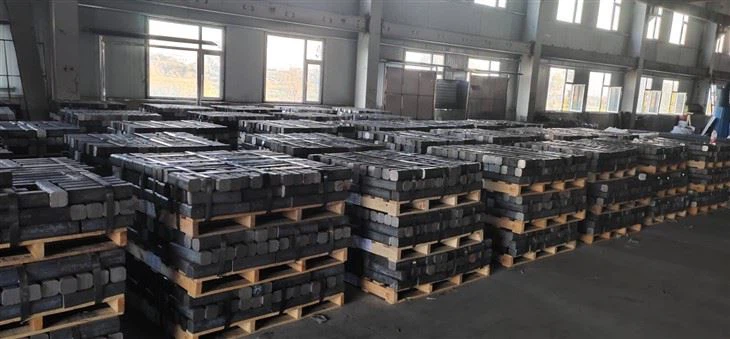

Another common use of standard iron metal is in the automotive industry. It is used in the production of various automotive parts, such as engine blocks, transmission cases, and suspension components. Standard iron metal's ability to withstand high temperatures and mechanical forces makes it an ideal choice for these demanding applications.
In addition to construction and automotive applications, standard iron metal is also used in a wide range of other industries, including machinery manufacturing, shipbuilding, and general engineering. Its versatility and affordability make it a popular choice for many different types of products and applications.
Pure Iron Billet For Smelting
Pure iron billet for smelting is a high-quality grade of sold iron that is specifically designed for use in the smelting process. It is typically composed of iron with a carbon content of less than 0.005%, making it almost pure iron. The low carbon content in pure iron billet ensures that it has excellent purity and chemical stability, which is crucial for the production of high-quality steel and other alloys.
One of the main advantages of Pure Iron Billet For Smelting is its high melting point and low impurities. This allows it to be easily melted and refined in a furnace, resulting in a high-quality molten metal that can be used to produce a wide range of steel products. Pure iron billet is also known for its excellent thermal conductivity, which helps to ensure uniform heating and melting during the smelting process.
In addition to its use in steel production, pure iron billet for smelting is also used in the manufacturing of other high-value alloys, such as stainless steel, nickel-based alloys, and titanium alloys. Its high purity and chemical stability make it an ideal starting material for these advanced alloys, which require precise control of the chemical composition and properties.
Conclusion
In conclusion, the common grades of sold iron - soft iron, standard iron metal, and pure iron billet for smelting - each offer unique characteristics and advantages that make them suitable for a wide range of applications. Whether you're looking for excellent magnetic properties, high strength and durability, or high purity for smelting, there is a grade of sold iron that can meet your specific requirements.
As a leading supplier of sold iron, I have extensive experience in providing high-quality products to customers in various industries. I understand the importance of choosing the right grade of sold iron for your application, and I am committed to helping you make an informed decision. If you have any questions or need further information about our sold iron products, please don't hesitate to contact me. I look forward to the opportunity to discuss your requirements and provide you with the best possible solution.
References
- ASM Handbook Volume 1: Properties and Selection: Irons, Steels, and High-Performance Alloys
- Metals Handbook Desk Edition, Third Edition
- The Making, Shaping and Treating of Steel