



As a supplier of iron billets, I understand the critical importance of proper storage conditions to maintain the quality and integrity of these valuable materials. Iron billets are semi-finished products that serve as the foundation for a wide range of industrial applications, from construction to manufacturing. Ensuring that they are stored correctly is essential to prevent corrosion, deformation, and other issues that can compromise their usability. In this blog post, I will discuss the key storage conditions for iron billets and provide some practical tips for maintaining their quality.
Temperature and Humidity Control
One of the most important factors in storing iron billets is controlling the temperature and humidity of the storage environment. Iron is highly susceptible to corrosion, especially in the presence of moisture. Therefore, it is crucial to store iron billets in a dry and well-ventilated area. The ideal temperature range for storing iron billets is between 10°C and 30°C (50°F and 86°F), with a relative humidity of less than 60%.
High humidity levels can accelerate the corrosion process, leading to the formation of rust on the surface of the iron billets. Rust not only affects the appearance of the billets but also weakens their structural integrity. To prevent rusting, it is recommended to use dehumidifiers or desiccants in the storage area to reduce the humidity levels. Additionally, the storage area should be protected from rain, snow, and other sources of moisture.

Protection from Physical Damage
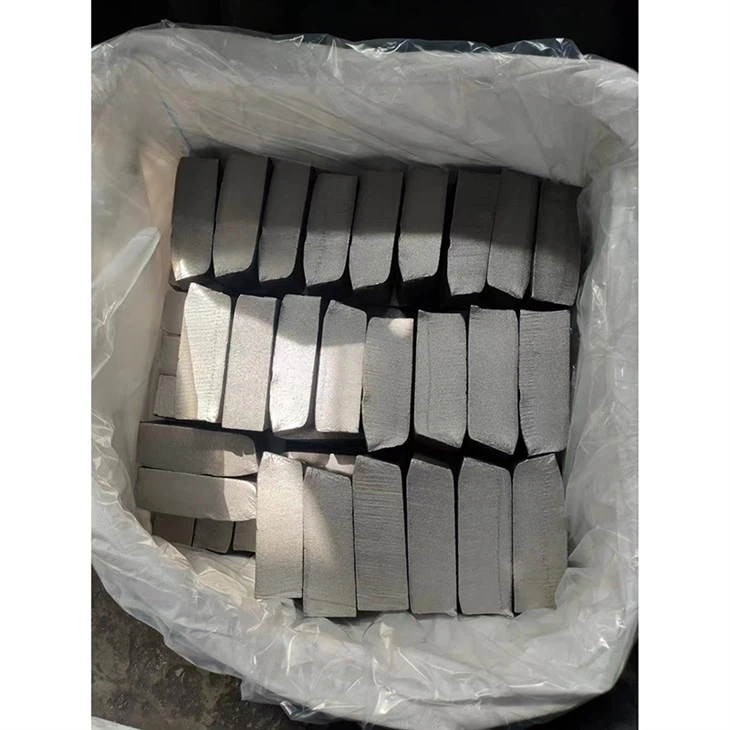
Iron billets are heavy and bulky materials that can be easily damaged if not stored properly. To prevent physical damage, it is important to store the billets on a flat and stable surface. Avoid stacking the billets too high, as this can cause them to topple over and damage each other. It is also recommended to use appropriate storage racks or pallets to support the billets and prevent them from coming into direct contact with the ground.
In addition to protecting the billets from physical damage, it is also important to prevent them from being scratched or dented. Scratches and dents can create areas of stress concentration on the surface of the billets, which can lead to cracking or failure during subsequent processing. To prevent scratching and denting, it is recommended to handle the billets with care and use protective covers or padding when transporting or storing them.
Protection from Chemical Contamination
Iron billets can be contaminated by various chemicals, such as acids, alkalis, and salts, which can cause corrosion and other damage. To prevent chemical contamination, it is important to store the billets away from sources of chemicals, such as chemical storage areas, industrial waste sites, and areas with high levels of air pollution.
If the billets need to be stored in an area where they may be exposed to chemicals, it is recommended to use protective coatings or packaging materials to prevent the chemicals from coming into contact with the surface of the billets. Additionally, the storage area should be regularly cleaned and inspected to remove any chemical residues or contaminants.
Regular Inspection and Maintenance
Regular inspection and maintenance are essential to ensure that the iron billets are stored in optimal conditions. It is recommended to inspect the billets at least once a month for signs of corrosion, physical damage, or chemical contamination. If any issues are detected, they should be addressed immediately to prevent further damage.
In addition to regular inspections, it is also important to perform routine maintenance on the storage area, such as cleaning the floors, walls, and storage racks, and checking the ventilation and dehumidification systems. By maintaining a clean and well-maintained storage area, you can help to prevent the growth of mold and bacteria, which can also cause damage to the iron billets.
Conclusion
Proper storage conditions are essential to maintain the quality and integrity of iron billets. By controlling the temperature and humidity, protecting the billets from physical damage and chemical contamination, and performing regular inspection and maintenance, you can ensure that your iron billets remain in optimal condition until they are ready to be used.
If you are in the market for high-quality iron billets, I invite you to explore our range of products, including 99.9% Pure Iron, Pure iron material, and High Purity Iron Billet. Our iron billets are produced using the latest technology and strict quality control measures to ensure that they meet the highest standards of quality and performance.
If you have any questions or would like to discuss your specific requirements, please do not hesitate to contact us. We look forward to working with you and providing you with the best possible solutions for your iron billet needs.
References
- ASTM International. (2021). Standard Specification for Steel Billets, Blooms, and Forgings for General Use. ASTM A108/A108M - 21.
- NACE International. (2016). Corrosion Basics: An Introduction. NACE Publication No. 01602.
- American Iron and Steel Institute. (2020). Steel Storage Guidelines. AISI Publication No. 2020-01.