



Hey there! As a supplier of furnace material pure iron, I often get asked about the electrical conductivity of pure iron in a furnace. It's a super interesting topic, and I'm excited to share what I know with you.
First off, let's talk a bit about pure iron. Pure iron is a pretty amazing metal. It's got a high melting point, which makes it great for use in furnaces. And when we're talking about furnace material, we're usually looking at Iron Alloy With Low Impurities. These alloys have low levels of impurities, which can really affect the properties of the iron, including its electrical conductivity.
So, what exactly is electrical conductivity? In simple terms, it's a measure of how well a material can conduct an electric current. Metals are generally good conductors of electricity because they have free electrons that can move easily through the material. Pure iron is no exception.

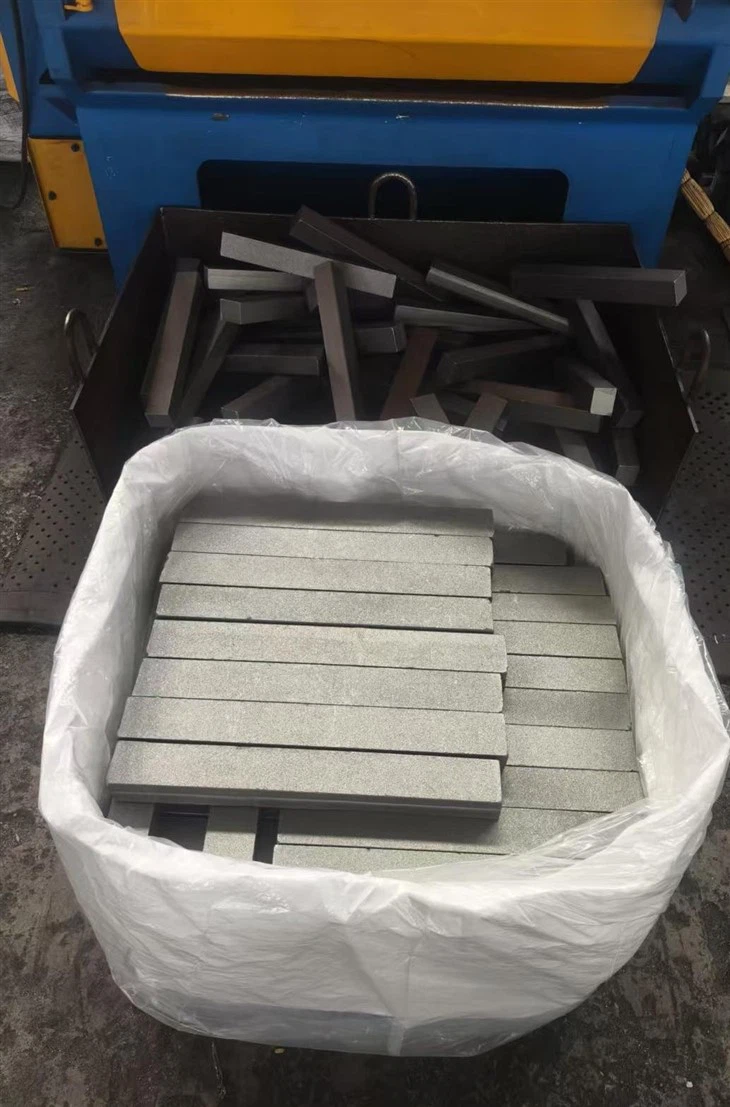
At room temperature, the electrical conductivity of pure iron is around 1.0×10⁷ S/m (siemens per meter). But when we put it in a furnace, things start to get a bit more complicated. As the temperature rises, the electrical conductivity of pure iron actually decreases. This is because as the temperature goes up, the atoms in the iron start to vibrate more vigorously. These vibrations can interfere with the movement of the free electrons, making it harder for them to flow through the material.
In a furnace, the temperature can reach extremely high levels. For example, in some industrial furnaces, the temperature can go up to 1500°C or even higher. At these high temperatures, the electrical conductivity of pure iron drops significantly. The relationship between temperature and electrical conductivity can be described by the following equation:
σ(T) = σ₀ / (1 + α(T - T₀))
where σ(T) is the electrical conductivity at temperature T, σ₀ is the electrical conductivity at a reference temperature T₀, and α is the temperature coefficient of resistivity. For pure iron, the temperature coefficient of resistivity is positive, which means that as the temperature increases, the resistivity (the reciprocal of conductivity) also increases.
Now, why is this important? Well, if you're using pure iron in a furnace for electrical applications, like in heating elements or electrical contacts, you need to take this change in conductivity into account. You don't want your electrical components to stop working properly just because the temperature in the furnace has gone up.
Another thing to consider is the type of pure iron you're using. We offer different products like Iron Metal and Pure Iron Billet For Smelting. The purity and the manufacturing process of these products can also affect their electrical conductivity. For example, if there are small amounts of impurities in the iron, they can act as scattering centers for the electrons, further reducing the conductivity.
When it comes to choosing the right pure iron for your furnace, it's not just about the electrical conductivity. You also need to think about other properties like thermal conductivity, mechanical strength, and corrosion resistance. In a furnace environment, the material has to withstand high temperatures, thermal cycling, and sometimes even corrosive gases.
Let's say you're building a new furnace and you need to select the best pure iron for an electrical heating element. You'd want to look for a material that has a relatively stable electrical conductivity over the temperature range of the furnace. You might also want to consider the cost and availability of the material.
At our company, we've spent a lot of time researching and testing different types of pure iron to make sure we can offer the best products to our customers. We understand that every furnace application is unique, and we're here to help you find the right solution.
If you're in the market for high - quality furnace material pure iron, whether it's for electrical applications or other furnace uses, we'd love to hear from you. We can provide you with detailed information about the electrical conductivity and other properties of our products. You can reach out to us to discuss your specific requirements and start a procurement negotiation. We're confident that we can offer you the best pure iron products at competitive prices.
In conclusion, the electrical conductivity of pure iron in a furnace is a complex topic. It's affected by temperature, impurities, and the manufacturing process. But with the right knowledge and the right products, you can make sure your furnace operates efficiently and reliably. So, don't hesitate to get in touch if you have any questions or if you're ready to start sourcing pure iron for your furnace.
References
- "Electrical Conductivity of Metals" - A standard materials science textbook
- Industry research papers on high - temperature materials for furnaces