


In the dynamic world of finance and investment, institutional ownership plays a pivotal role in shaping the performance and perception of a stock. As a supplier of CRS stock, I've witnessed firsthand the influence that institutional investors can have on the market for Cold Rolled Steel (CRS). In this blog post, I'll delve into what institutional ownership of CRS stock entails, its implications, and how it impacts our business as a supplier.
Understanding Institutional Ownership
Institutional ownership refers to the percentage of a company's outstanding shares that are held by institutional investors. These investors include mutual funds, pension funds, insurance companies, hedge funds, and other large financial institutions. They typically manage large amounts of money on behalf of their clients, such as individual investors, corporations, and government entities.
In the case of CRS stock, institutional ownership can provide valuable insights into the market's confidence in the company and its future prospects. When institutional investors buy a significant stake in a company, it signals that they believe in its long - term growth potential, financial stability, and competitive position. On the other hand, a decrease in institutional ownership may indicate concerns about the company's performance, industry trends, or macroeconomic factors.
Factors Influencing Institutional Ownership of CRS Stock
Several factors can influence institutional investors' decisions to invest in CRS stock. One of the primary factors is the company's financial performance. Institutions closely analyze a company's revenue growth, profit margins, cash flow, and balance sheet strength. For CRS, factors such as the efficiency of its manufacturing processes, cost management, and ability to meet customer demand are crucial. A company with consistent revenue growth, healthy profit margins, and strong cash flow is more likely to attract institutional investors.
Industry trends also play a significant role. The steel industry is highly cyclical and is influenced by factors such as global economic growth, infrastructure spending, and technological advancements. Institutional investors will assess the long - term trends in the steel industry, including the demand for Cold Rolled Steel in various sectors such as automotive, construction, and appliances. For example, the increasing demand for lightweight and high - strength steel in the automotive industry to improve fuel efficiency can be a positive factor for CRS.
Another important factor is corporate governance. Institutions prefer companies with strong corporate governance practices, including transparent financial reporting, independent boards of directors, and effective risk management. A company with a good reputation for ethical conduct and corporate social responsibility is also more likely to be favored by institutional investors.
Implications of Institutional Ownership for CRS Stock
High institutional ownership can have several positive implications for CRS stock. Firstly, it can provide stability to the stock price. Institutional investors tend to have a long - term investment horizon, and their large holdings can act as a buffer against short - term market volatility. When there is high institutional ownership, the stock is less likely to be subject to wild price swings caused by retail investors' emotional trading.
Secondly, institutional ownership can enhance the company's visibility and credibility in the market. When well - known institutional investors hold a stake in a company, it can attract other investors, including retail investors, who may view it as a sign of a quality investment. This increased interest can lead to higher trading volumes and potentially drive up the stock price.
However, high institutional ownership also has its challenges. Institutions may have high expectations for the company's performance and may exert pressure on management to meet specific financial targets. If the company fails to meet these expectations, it could lead to a sell - off by institutional investors, which can have a negative impact on the stock price.
Our Role as a CRS Stock Supplier
As a supplier of CRS stock, institutional ownership of the companies we supply to has a direct impact on our business. When institutional investors have a positive view of a company, it often leads to increased investment in the company's operations. This can result in higher production levels, which in turn means more demand for our CRS stock.
For example, if a major automotive manufacturer that uses our CRS stock experiences an increase in institutional ownership, it may expand its production capacity to meet growing market demand. This expansion will require more Cold Rolled Steel, and we will be in a position to supply them. On the other hand, if there is a decrease in institutional ownership and the company scales back its operations, our sales may be affected.
We also benefit from the stability that high institutional ownership can bring to the market. A stable stock price for our customers can lead to more predictable business environments. This allows us to plan our production, inventory management, and pricing strategies more effectively.
The Importance of Quality in CRS Stock
In a market influenced by institutional ownership, the quality of our CRS stock is of utmost importance. Institutional investors expect the companies they invest in to source high - quality materials to ensure the reliability and performance of their products. Our Cold Rolled Steel is produced using state - of - the - art manufacturing processes to meet the strictest industry standards.
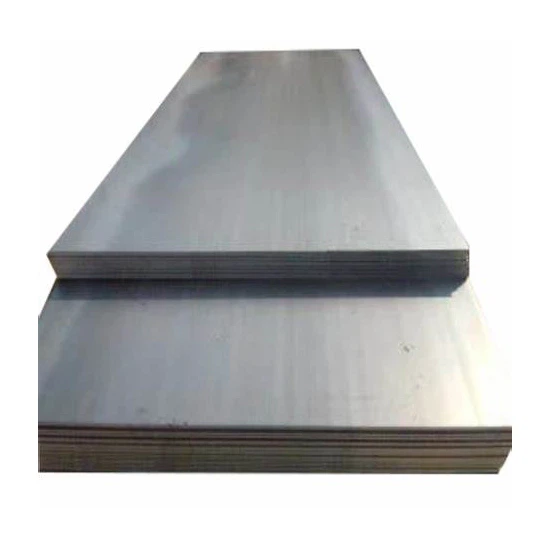
We offer both Cold Rolled Iron Sheet and Hot Rolled Iron Sheet options to our customers. Our Cold Rolled Iron Sheet is known for its smooth surface finish, precise thickness control, and excellent mechanical properties. It is widely used in applications where tight tolerances and high - quality surface finish are required, such as in the production of precision components for the electronics and automotive industries.
Our Hot Rolled Iron Sheet, on the other hand, is ideal for applications that require high strength and durability. It is commonly used in construction, heavy machinery, and industrial equipment. By offering a diverse range of products, we can meet the different needs of our customers and remain competitive in the market.
How to Evaluate Institutional Ownership
For those interested in evaluating the institutional ownership of CRS stock, there are several resources available. Financial news websites, such as Bloomberg, Yahoo Finance, and Google Finance, provide information on institutional ownership percentages, the names of major institutional investors, and recent changes in their holdings. These websites also offer analysis and commentary on the implications of institutional ownership for a particular stock.

In addition, regulatory filings, such as the 13F filings in the United States, can provide detailed information on the holdings of institutional investors. These filings are required to be submitted quarterly by institutional investment managers with over $100 million in assets under management. By analyzing these filings, investors can gain insights into the investment strategies of institutional investors and their views on CRS stock.
Conclusion
Institutional ownership of CRS stock is a complex and important aspect of the financial market. It can have a significant impact on the stock price, the company's performance, and our business as a CRS stock supplier. As institutional investors continue to play a major role in the market, it is essential for us to understand their investment criteria and adapt our business strategies accordingly.
We are committed to providing high - quality CRS stock to our customers and meeting their evolving needs. If you are interested in purchasing CRS stock or have any questions about our products, we encourage you to reach out to us for a procurement discussion. Our team of experts is ready to assist you in finding the right solutions for your business.
References
- Brealey, R. A., Myers, S. C., & Allen, F. (2020). Principles of Corporate Finance. McGraw - Hill Education.
- Damodaran, A. (2012). Investment Fables: Exposing the Myths of "Can't - Miss" Investment Strategies. Pearson.
- Koller, T., Goedhart, M., & Wessels, D. (2015). Valuation: Measuring and Managing the Value of Companies. Wiley.