



In the realm of electrical engineering, motors stand as the workhorses that power countless industrial and domestic applications. At the heart of these motors lies a crucial component: the motor core. The motor core plays a pivotal role in the efficient operation of motors, particularly in reducing eddy current losses. As a motor core supplier, I am well - versed in the significance of this component and its impact on motor performance.
Eddy currents are induced in conducting materials when they are exposed to a changing magnetic field. In a motor, the alternating magnetic field generated by the stator windings can induce these eddy currents in the motor core. These currents flow in closed loops within the core material, and according to Joule's law (P = I²R), they result in power dissipation in the form of heat. This not only reduces the efficiency of the motor but can also lead to overheating, which may damage the motor's insulation and other components over time.
The motor core is typically made of a ferromagnetic material, such as silicon steel. Silicon steel is chosen for its high magnetic permeability and relatively low electrical conductivity. The high magnetic permeability allows the core to efficiently conduct the magnetic flux, which is essential for the motor's operation. The low electrical conductivity, on the other hand, helps to reduce the magnitude of the eddy currents. By increasing the electrical resistance of the core material, the flow of eddy currents is restricted, and thus the power dissipated as heat is minimized.
Another design feature of motor cores that helps in reducing eddy current losses is the use of laminated construction. Instead of using a solid block of core material, the core is made up of thin laminations that are insulated from each other. The laminations are usually stacked together and held in place by a clamping mechanism. When the magnetic field changes, the eddy currents are confined to each individual lamination. Since the laminations are thin and insulated, the path for the eddy currents is interrupted, and their magnitude is significantly reduced. This laminated structure effectively increases the resistance of the core to the flow of eddy currents, leading to lower eddy current losses.
The thickness of the laminations also plays a crucial role in reducing eddy current losses. Thinner laminations generally result in lower eddy current losses because the eddy currents have less area to flow through. However, using extremely thin laminations can increase the manufacturing cost and complexity. Therefore, a balance needs to be struck between the thickness of the laminations and the desired level of eddy current reduction.
As a motor core supplier, we understand the importance of providing high - quality cores that are optimized for eddy current reduction. Our motor cores are manufactured using state - of - the - art processes and the finest quality silicon steel. We carefully control the thickness of the laminations and the insulation between them to ensure maximum efficiency.
In addition to the basic design features, the choice of core material can also have a significant impact on eddy current losses. For some specialized applications, we offer alternative materials that may provide even better performance. For example, Electrolytic Iron Cathode With High Purity For Electromagnetic Devices can be used in certain high - precision motors. This material has a very high purity, which can result in lower electrical conductivity and better magnetic properties, further reducing eddy current losses.
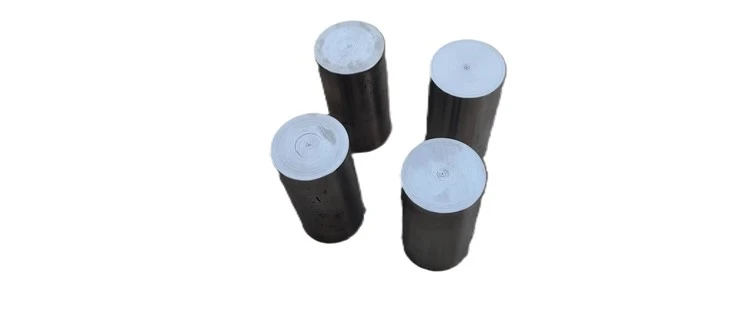
Magnetic Shielding Iron Rods are another product in our portfolio that can be used in conjunction with motor cores. These rods can help to shield the motor from external magnetic fields, which can otherwise induce additional eddy currents in the core. By reducing the influence of external magnetic fields, the overall eddy current losses in the motor can be minimized.
Engineered Pure Iron Castings are also available for applications where a more customized core design is required. These castings can be engineered to have specific magnetic and electrical properties, allowing for precise control of eddy current losses.
The performance of a motor core in reducing eddy current losses can also be affected by the operating conditions of the motor. For example, the frequency of the alternating magnetic field can have a significant impact. Higher frequencies generally result in higher eddy current losses because the rate of change of the magnetic field is faster. Therefore, when designing a motor core, it is important to consider the operating frequency range of the motor. Our team of engineers is experienced in designing motor cores that are optimized for different operating frequencies, ensuring that the eddy current losses are kept to a minimum across a wide range of applications.

Temperature is another factor that can affect eddy current losses. As the temperature of the core material increases, its electrical conductivity may change, which can in turn affect the magnitude of the eddy currents. Our motor cores are designed to have stable performance over a wide temperature range, minimizing the impact of temperature variations on eddy current losses.
In conclusion, the motor core plays a vital role in reducing eddy current losses in motors. Through the use of appropriate materials, such as silicon steel, and design features like laminated construction, the flow of eddy currents can be effectively controlled. As a motor core supplier, we are committed to providing high - quality cores that are engineered to minimize eddy current losses and improve the overall efficiency of motors.
If you are in the market for motor cores or related products, we invite you to contact us for a detailed discussion about your specific requirements. Our team of experts is ready to assist you in finding the best solutions for your applications. Whether you need a standard motor core or a customized design, we have the expertise and resources to meet your needs. Let's work together to enhance the performance and efficiency of your motors.
References
- Chapman, S. J. (2012). Electric Machinery Fundamentals. McGraw - Hill.
- Fitzgerald, A. E., Kingsley, C., & Umans, S. D. (2003). Electric Machinery. McGraw - Hill.