



What is the strength of solid iron? This is a question that often arises in various industries, from construction to manufacturing. As a supplier of solid iron products, I have had the privilege of witnessing firsthand the remarkable properties and applications of this versatile material. In this blog post, I will delve into the strength of solid iron, exploring its mechanical properties, factors influencing its strength, and its diverse uses in different sectors.
Understanding the Basics of Solid Iron
Solid iron, in its pure form, is a metallic element known for its high density, malleability, and ductility. It is one of the most abundant elements on Earth and has been used by humans for thousands of years. The strength of solid iron can be attributed to its atomic structure, which consists of a lattice of iron atoms held together by metallic bonds. These bonds allow the atoms to move freely within the lattice, giving iron its characteristic properties of strength and flexibility.
Mechanical Properties of Solid Iron
The strength of solid iron can be measured in several ways, including tensile strength, yield strength, and hardness. Tensile strength refers to the maximum amount of stress that a material can withstand before breaking under tension. Yield strength, on the other hand, is the stress at which a material begins to deform plastically, or permanently. Hardness is a measure of a material's resistance to indentation or scratching.
Pure iron has a relatively low tensile strength compared to other metals, such as steel. However, when iron is alloyed with other elements, such as carbon, manganese, and chromium, its strength can be significantly enhanced. For example, steel, which is an alloy of iron and carbon, has a much higher tensile strength than pure iron. The addition of carbon to iron increases the hardness and strength of the material by forming small carbide particles within the iron lattice.
Factors Influencing the Strength of Solid Iron
Several factors can influence the strength of solid iron, including its composition, heat treatment, and manufacturing process. The composition of iron refers to the types and amounts of elements present in the material. As mentioned earlier, alloying elements such as carbon, manganese, and chromium can significantly enhance the strength of iron. The amount of these elements present in the alloy can also affect its strength. For example, a higher carbon content in steel generally results in a higher strength material.
Heat treatment is another important factor that can influence the strength of solid iron. Heat treatment involves heating and cooling the material to alter its microstructure and properties. For example, quenching and tempering are common heat treatment processes used to increase the strength and hardness of steel. Quenching involves rapidly cooling the steel from a high temperature to room temperature, which results in the formation of a hard and brittle microstructure. Tempering, on the other hand, involves reheating the quenched steel to a lower temperature to reduce its brittleness and improve its toughness.
The manufacturing process can also affect the strength of solid iron. For example, casting, forging, and rolling are common manufacturing processes used to produce iron and steel products. Each of these processes can result in a different microstructure and properties of the material. For example, forged steel generally has a higher strength and toughness than cast steel due to the formation of a more uniform and refined microstructure during the forging process.
Applications of Solid Iron
The strength and versatility of solid iron make it a popular choice for a wide range of applications in various industries. In the construction industry, solid iron is used to make structural components such as beams, columns, and reinforcement bars. The high strength and durability of iron make it ideal for supporting heavy loads and resisting the forces of nature, such as wind and earthquakes.
In the manufacturing industry, solid iron is used to make a variety of products, including machinery parts, tools, and automotive components. The strength and hardness of iron make it suitable for applications that require high wear resistance and durability. For example, iron is commonly used to make engine blocks, crankshafts, and gears in the automotive industry.
In the energy industry, solid iron is used to make components for power generation and transmission systems. The high electrical conductivity and magnetic properties of iron make it ideal for applications such as transformers, generators, and motors. Iron is also used in the production of renewable energy technologies, such as wind turbines and solar panels.
Our Solid Iron Products
As a supplier of solid iron products, we offer a wide range of high-quality materials to meet the diverse needs of our customers. Our product portfolio includes High Purity Furnace Pure Iron Ingots, Pure iron material, and Standard Purity Furnace Pure Iron Ingots. These products are made from high-quality raw materials and are manufactured using advanced production techniques to ensure their strength, purity, and consistency.
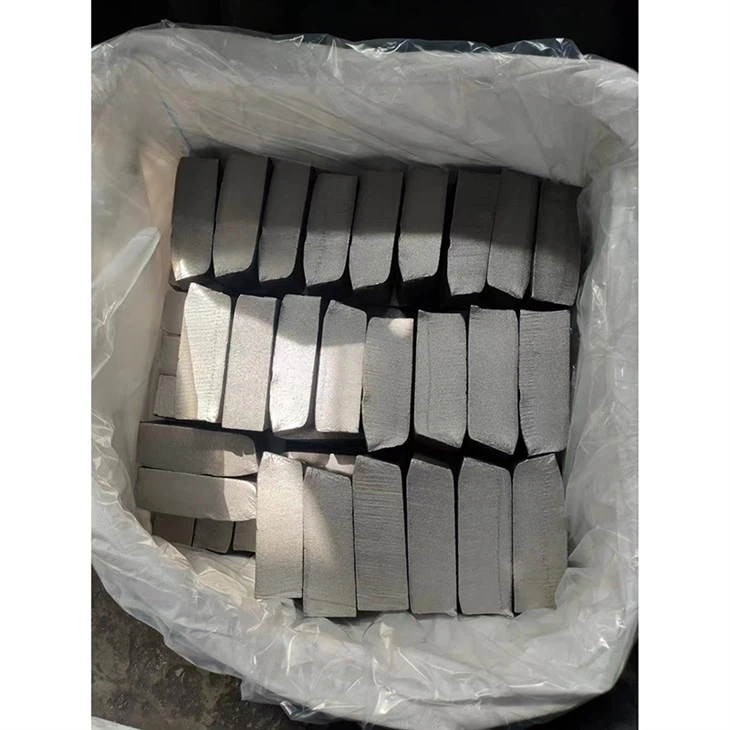

Our high purity furnace pure iron ingots are made from iron with a purity of over 99.9%. These ingots are ideal for applications that require high purity and low levels of impurities, such as the production of electronic components and specialty steels. Our pure iron material is available in various forms, including billets, bars, and sheets, and is suitable for a wide range of applications, from construction to manufacturing. Our standard purity furnace pure iron ingots are made from iron with a purity of over 99%. These ingots are a cost-effective solution for applications that do not require high purity, such as the production of general-purpose steels and castings.
Contact Us for Your Solid Iron Needs
If you are looking for a reliable supplier of high-quality solid iron products, look no further. We are committed to providing our customers with the best products and services at competitive prices. Whether you need a small quantity of iron for a specific project or a large volume of material for ongoing production, we can meet your needs.
To learn more about our solid iron products and how they can benefit your business, please contact us today. Our team of experts will be happy to answer your questions and provide you with a customized solution that meets your specific requirements. Let's work together to achieve your goals and build a successful partnership.
References
- Callister, W. D., & Rethwisch, D. G. (2017). Materials Science and Engineering: An Introduction. Wiley.
- ASM Handbook Committee. (2004). ASM Handbook, Volume 1: Properties and Selection: Irons, Steels, and High-Performance Alloys. ASM International.
- Davis, J. R. (Ed.). (1999). Iron-Carbon Phase Diagram. ASM International.