



Ensuring the dimensional accuracy of an iron sheet is crucial for various industries, from automotive manufacturing to construction. As an iron sheet supplier, I understand the significance of providing products that meet the strict dimensional requirements of our customers. In this blog post, I will share some key strategies and practices that we employ to guarantee the dimensional accuracy of our iron sheets.
1. High - Quality Raw Materials
The journey to achieving dimensional accuracy starts with the selection of high - quality raw materials. We source our iron from reliable and well - established mills. These mills have strict quality control measures in place to ensure that the chemical composition and physical properties of the iron meet our standards. For example, the carbon content, which can affect the hardness and ductility of the iron, is carefully monitored.
A consistent chemical composition across different batches of raw materials is essential. This consistency helps in predicting how the iron will behave during the rolling and forming processes. If the chemical composition varies significantly, it can lead to uneven expansion or contraction, resulting in dimensional variations in the final iron sheet.
2. Advanced Manufacturing Processes
Rolling Techniques
We utilize both cold and hot rolling processes, each designed to produce iron sheets with specific dimensional characteristics.
Cold Rolled Iron Sheet: Cold rolling is a process where the iron sheet is passed through rollers at room temperature. This process can achieve very high levels of dimensional accuracy. The cold - rolled sheets have a smooth surface finish and tight dimensional tolerances. To learn more about our cold - rolled iron sheets, you can visit Cold Rolled Iron Sheet.
Hot Rolled Iron Sheet: Hot rolling, on the other hand, involves passing the iron through rollers at high temperatures. This process is suitable for producing thicker iron sheets. Although hot - rolled sheets may have slightly looser tolerances compared to cold - rolled ones, our advanced hot - rolling equipment and precise control systems ensure that the dimensional accuracy is still within acceptable limits. For detailed information about our hot - rolled iron sheets, check out Hot Rolled Iron Sheet.
Precision Cutting
After the rolling process, precision cutting is employed to obtain the desired length and width of the iron sheets. We use state - of - the - art cutting machines that are programmed to make accurate cuts. These machines are equipped with advanced sensors and control systems that can detect and correct any minor deviations during the cutting process. For example, laser cutting technology is used for its high precision and ability to cut complex shapes without causing significant dimensional changes.
3. Rigorous Quality Control
In - Process Inspection
Quality control starts from the very beginning of the manufacturing process. We conduct in - process inspections at multiple stages. For instance, during the rolling process, we use thickness gauges and width measurement devices to continuously monitor the dimensions of the iron sheet. Any deviations from the specified dimensions are immediately addressed. This proactive approach helps in preventing the production of defective products and reduces waste.

Final Inspection
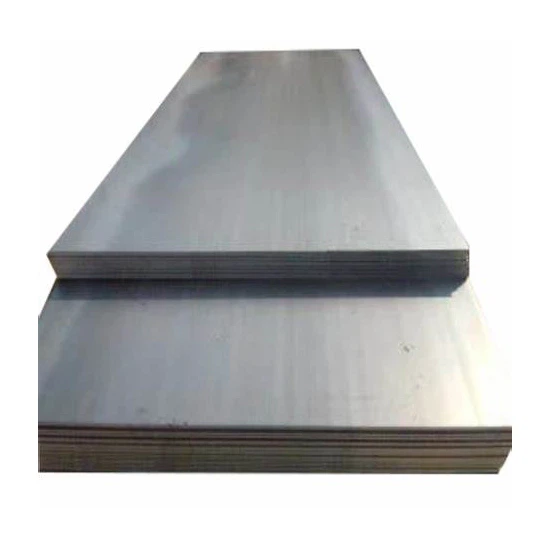
Before the iron sheets are shipped to our customers, a comprehensive final inspection is carried out. Our quality control team uses a variety of measuring tools, such as micrometers, calipers, and coordinate measuring machines (CMMs). These tools can measure dimensions with high precision, ensuring that the iron sheets meet the exact specifications provided by the customer. Each sheet is inspected for thickness, width, length, flatness, and edge straightness.
4. Environmental Control
The manufacturing environment can have a significant impact on the dimensional accuracy of iron sheets. Temperature and humidity fluctuations can cause the iron to expand or contract, leading to dimensional changes. Therefore, we maintain a controlled manufacturing environment. Our production facilities are equipped with climate - control systems that keep the temperature and humidity within a narrow range. This stable environment helps in minimizing the effects of environmental factors on the dimensional stability of the iron sheets.
5. Employee Training and Skill Development
Our employees play a vital role in ensuring the dimensional accuracy of our iron sheets. We provide regular training programs to enhance their skills and knowledge in manufacturing processes and quality control. Our operators are trained to operate the advanced machinery with precision and to identify any potential issues that may affect dimensional accuracy. For example, they are trained to recognize signs of wear and tear on the rolling rollers or cutting blades, which can lead to dimensional variations if not addressed promptly.
6. Continuous Improvement
We believe in continuous improvement in our manufacturing processes. We regularly analyze the data collected from quality control inspections to identify areas for improvement. If we notice a recurring dimensional issue, we conduct root - cause analysis to find the underlying cause. Based on the analysis, we implement corrective and preventive actions to eliminate the problem. This may involve upgrading our equipment, modifying the manufacturing process, or improving our quality control procedures.
Conclusion
Ensuring the dimensional accuracy of iron sheets is a complex but achievable goal. By focusing on high - quality raw materials, advanced manufacturing processes, rigorous quality control, environmental control, employee training, and continuous improvement, we are able to provide our customers with iron sheets that meet the strictest dimensional requirements.
If you are in need of high - quality iron sheets with precise dimensional accuracy, we would be delighted to have a discussion with you. Our team of experts can provide you with detailed information about our products and help you select the most suitable iron sheets for your specific application. We look forward to working with you and meeting your iron sheet procurement needs.
References
- ASM Handbook, Volume 1: Properties and Selection: Irons, Steels, and High - Performance Alloys.
- Manufacturing Engineering and Technology by S. Kalpakjian and S. R. Schmid.
- Quality Control Handbook by J. M. Juran and A. B. Godfrey.