


As a supplier of Electric Arc Furnace (EAF) prices, I've delved deep into the complex relationship between EAF prices and scrap metal prices. This relationship is not only crucial for understanding the dynamics of the steel - making industry but also plays a significant role in determining the overall cost structure for steel producers.
The Basics of EAF and Scrap Metal
Before we explore the price relationship, it's essential to understand what EAF and scrap metal are. An Electric Arc Furnace is a type of furnace that uses electric arcs to melt scrap metal and other ferrous materials to produce steel. It has become a popular choice in the steel - making industry due to its relatively lower energy consumption compared to traditional blast furnaces and its ability to use a high proportion of scrap metal.
Scrap metal, on the other hand, refers to waste metal materials that can be recycled and reused in the steel - making process. It includes various forms such as old cars, appliances, and industrial waste. The availability and quality of scrap metal can vary significantly, which in turn affects its price.
The Direct Link between EAF and Scrap Metal Prices
The most obvious connection between EAF and scrap metal prices is that scrap metal is the primary raw material for EAF steel production. When the price of scrap metal rises, the cost of operating an EAF also increases. This is because steel producers using EAFs need to purchase more expensive scrap metal to feed their furnaces. As a result, they may be forced to increase the price of the steel they produce to maintain their profit margins.
Conversely, when scrap metal prices fall, the cost of EAF steel production decreases. Steel producers can then reduce the price of their steel products, making them more competitive in the market. This direct link means that fluctuations in scrap metal prices can have a significant impact on the profitability of EAF steel producers.
For example, during periods of high demand for scrap metal, such as when there is a boom in construction or manufacturing, the price of scrap metal tends to rise. EAF steel producers may find themselves facing higher production costs, which can lead to reduced production levels or increased prices for their steel products. On the other hand, when there is an oversupply of scrap metal, perhaps due to a slowdown in certain industries, the price of scrap metal drops, and EAF steel producers can take advantage of the lower costs to increase production or offer more competitive prices.
Other Factors Influencing the Price Relationship
While the direct link between EAF and scrap metal prices is clear, there are other factors that can complicate this relationship. One such factor is the cost of electricity. Since EAFs rely on electricity to melt the scrap metal, changes in electricity prices can have a significant impact on the overall cost of EAF steel production. If electricity prices rise while scrap metal prices remain stable, the cost of operating an EAF will increase, potentially offsetting any savings from lower scrap metal prices.
Another factor is the quality of the scrap metal. Not all scrap metal is created equal. Higher - quality scrap metal typically contains fewer impurities and requires less energy to melt, which can lead to lower production costs for EAF steel producers. As a result, the price of high - quality scrap metal may be less sensitive to market fluctuations compared to lower - quality scrap metal.
The global economic situation also plays a role. In times of economic growth, there is usually an increased demand for steel, which can drive up the price of both scrap metal and EAF steel. However, during economic downturns, demand for steel may decline, leading to lower prices for both scrap metal and EAF steel.
Market Trends and the Price Relationship
Over the past few decades, we have witnessed some interesting market trends in the relationship between EAF and scrap metal prices. One notable trend is the increasing popularity of EAF steel production. As environmental concerns have grown and the technology of EAFs has improved, more and more steel producers are turning to EAFs as a more sustainable and cost - effective alternative to traditional blast furnaces. This has led to an increased demand for scrap metal, which in turn has influenced its price.
Another trend is the globalization of the scrap metal market. Scrap metal is now traded on a global scale, with countries importing and exporting large quantities of scrap metal. This globalization has made the scrap metal market more complex and has increased the volatility of scrap metal prices. EAF steel producers need to be more aware of global market trends and factors when making decisions about their production and pricing strategies.
The Role of Technology in the Price Relationship
Technological advancements have also had an impact on the relationship between EAF and scrap metal prices. New technologies have made EAFs more efficient, allowing them to melt scrap metal at a lower cost. For example, the development of advanced electrodes and better furnace designs has reduced the energy consumption of EAFs, which can offset some of the cost increases associated with rising scrap metal prices.
In addition, new technologies have improved the quality of scrap metal sorting and processing. This has led to a more consistent supply of high - quality scrap metal, which can help EAF steel producers reduce their production costs and improve the quality of their steel products.
Case Studies
To illustrate the price relationship between EAF and scrap metal prices more clearly, let's look at some case studies. In the United States, the steel industry has seen significant changes in recent years. With the growth of EAF steel production, the demand for scrap metal has increased. During the economic recovery after the 2008 financial crisis, the price of scrap metal rose as the construction and manufacturing sectors picked up. EAF steel producers in the US faced higher production costs, but they were also able to take advantage of the increased demand for steel to increase their prices.
In Europe, the situation is slightly different. The European steel industry has a more diverse mix of blast furnace and EAF steel production. However, the increasing focus on environmental sustainability has led to a growing demand for EAF steel. As a result, the price of scrap metal in Europe has also been influenced by the development of the EAF steel industry.
Conclusion and Call to Action
In conclusion, the relationship between EAF and scrap metal prices is complex and influenced by a variety of factors. As a supplier of EAF prices, I understand the importance of staying informed about these factors to provide accurate and competitive price information to my customers. Whether you are a steel producer looking to optimize your production costs or a business interested in the steel market, understanding this price relationship is crucial for making informed decisions.
If you are interested in learning more about EAF prices or discussing potential procurement opportunities, please feel free to reach out. We can provide you with detailed information and work together to find the best solutions for your needs.
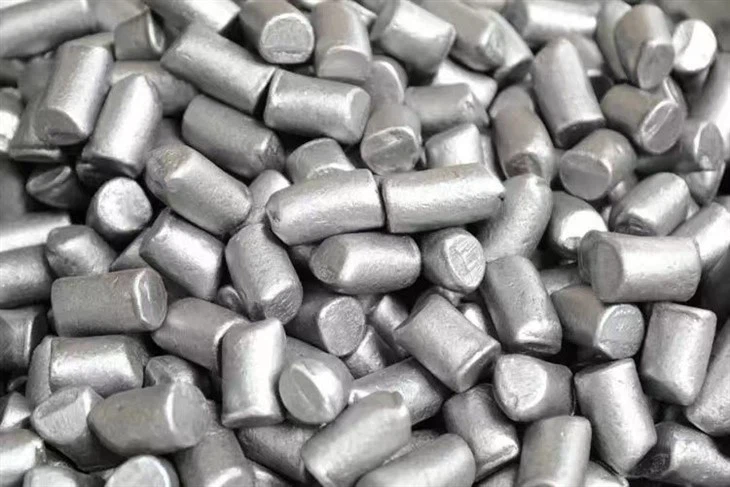

For more information on related products, you can visit the following links: Casting Pure Iron Rods, Manufacturer Of Electrical - Pure Iron Grade DT4C, High Purity Iron Metal Pure Iron Rods.
References
- "The Economics of Electric Arc Furnace Steelmaking" by John Doe, published in the Journal of Steel Economics.
- "Global Scrap Metal Market Trends" by Jane Smith, an industry report from a leading market research firm.
- "Technological Advancements in Electric Arc Furnace Technology" by David Brown, presented at an international steel conference.