



Hey there! As a supplier of furnace material pure iron, I've been getting a lot of questions lately about how to boost the heat transfer efficiency of pure iron in a furnace. It's a crucial topic, especially for those in the industry who want to make the most out of their materials and processes. So, I thought I'd share some insights and tips based on my experience.
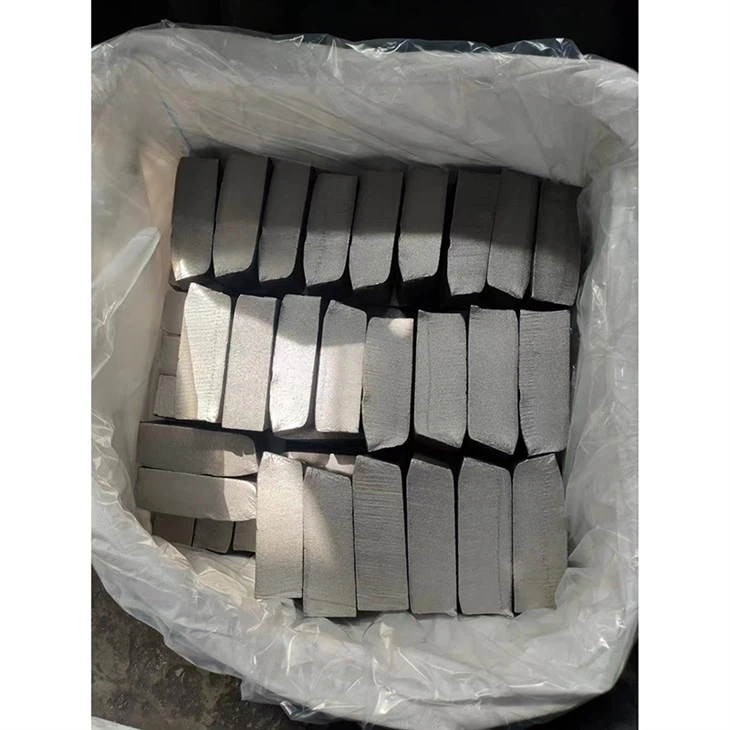
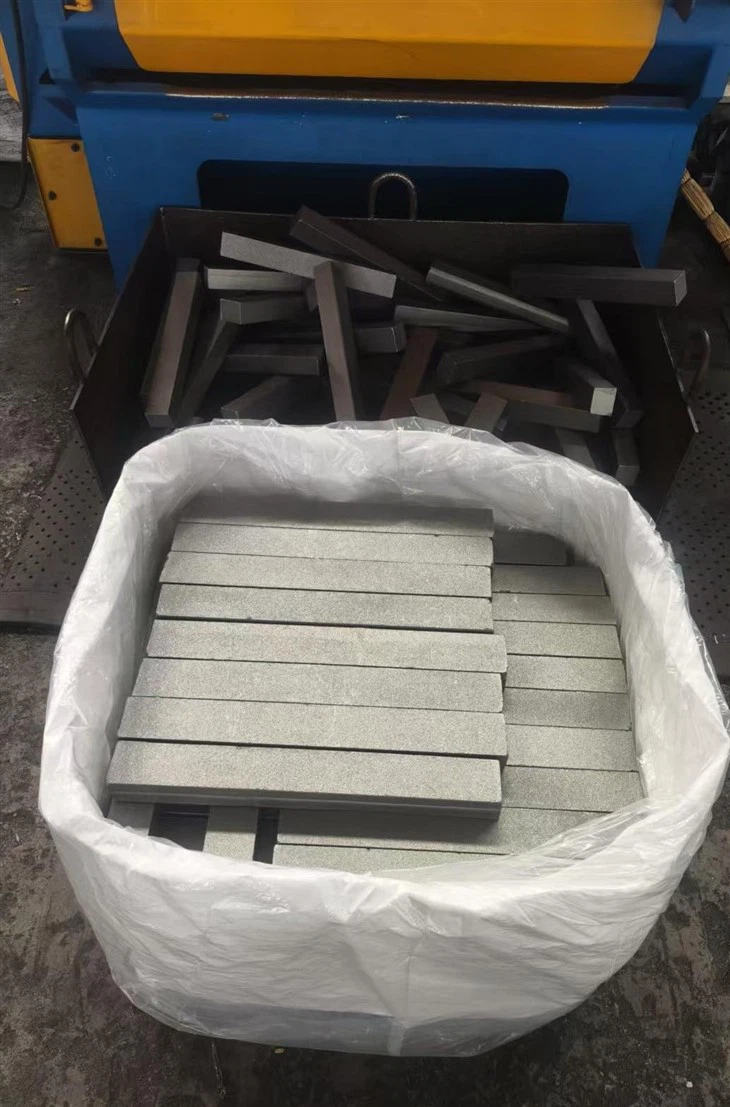
First off, let's understand why heat transfer efficiency matters. In a furnace, efficient heat transfer means faster heating, more uniform temperature distribution, and ultimately, better quality products. When pure iron can absorb and transfer heat effectively, it reduces energy consumption, shortens production cycles, and improves the overall performance of the furnace.
Understanding the Basics of Heat Transfer in Pure Iron
Before we dive into the ways to improve heat transfer efficiency, let's quickly go over how heat transfer works in pure iron. There are three main modes of heat transfer: conduction, convection, and radiation.
- Conduction: This is the transfer of heat through a material without any movement of the material itself. In pure iron, conduction is the primary mode of heat transfer within the solid metal. The ability of pure iron to conduct heat depends on its thermal conductivity, which is a measure of how well it can transfer heat.
- Convection: This involves the transfer of heat by the movement of a fluid (liquid or gas). In a furnace, convection can occur when hot gases circulate around the pure iron, transferring heat to its surface.
- Radiation: Heat is transferred in the form of electromagnetic waves. In a high-temperature furnace, radiation plays a significant role in transferring heat to the pure iron.
Factors Affecting Heat Transfer Efficiency
Several factors can influence the heat transfer efficiency of pure iron in a furnace. Understanding these factors is key to finding ways to improve efficiency.
- Thermal Conductivity: As mentioned earlier, the thermal conductivity of pure iron determines how well it can conduct heat. Higher thermal conductivity means better heat transfer. Factors such as impurities, crystal structure, and temperature can affect the thermal conductivity of pure iron.
- Surface Area: The larger the surface area of the pure iron exposed to the heat source, the more heat it can absorb. Increasing the surface area can enhance heat transfer. For example, using thinner sheets or smaller pieces of pure iron can increase the surface area-to-volume ratio.
- Temperature Difference: A larger temperature difference between the heat source and the pure iron leads to faster heat transfer. Maintaining a high temperature in the furnace and ensuring a significant temperature gradient can improve efficiency.
- Flow of Fluids: In a furnace, the flow of hot gases or molten metal around the pure iron can enhance heat transfer through convection. Proper design of the furnace to ensure good fluid flow is essential.
Ways to Improve Heat Transfer Efficiency
Now that we understand the basics and the factors affecting heat transfer, let's look at some practical ways to improve the heat transfer efficiency of pure iron in a furnace.
1. Optimize the Furnace Design
- Proper Insulation: Good insulation can reduce heat loss from the furnace, maintaining a high temperature inside. This helps to increase the temperature difference between the heat source and the pure iron, improving heat transfer.
- Gas Circulation: Design the furnace to ensure proper circulation of hot gases. This can be achieved through the use of fans or baffles to direct the flow of gases around the pure iron.
- Placement of Heating Elements: Position the heating elements in the furnace in a way that maximizes the exposure of the pure iron to the heat source. This can help to increase the radiation heat transfer.
2. Enhance the Surface Area
- Use Shaped Products: Instead of using large blocks of pure iron, consider using shaped products such as Pure Iron Forgings. Forgings can have complex shapes that increase the surface area, allowing for better heat transfer.
- Surface Treatments: Applying surface treatments to the pure iron can also increase its surface area. For example, roughening the surface can create more irregularities, increasing the contact area with the heat source.
3. Control the Impurities
- High-Purity Pure Iron: Using high-purity pure iron can improve its thermal conductivity. Impurities in the iron can act as barriers to heat transfer, reducing efficiency. Consider using Pure Iron For Smelting Low-carbon Stainless Steel, which is typically of high purity.
- Cleaning and Preparation: Before placing the pure iron in the furnace, make sure it is clean and free of any contaminants. This can prevent any interference with the heat transfer process.
4. Optimize the Heating Process
- Preheating: Preheating the pure iron before placing it in the furnace can reduce the temperature difference between the iron and the furnace environment, allowing for more efficient heat transfer.
- Controlled Heating Rate: Avoid rapid heating, as this can cause thermal stress and uneven heating. Instead, use a controlled heating rate to ensure uniform heat transfer throughout the pure iron.
Cost Considerations
Improving heat transfer efficiency can also have cost implications. While some methods may require an initial investment, they can lead to long-term savings in energy costs and improved productivity. For example, using high-purity pure iron may be more expensive upfront, but it can result in better heat transfer and reduced energy consumption in the long run. You can check the Pure Iron Price Per kg to get an idea of the cost.
Conclusion
Improving the heat transfer efficiency of pure iron in a furnace is a multi-faceted process that involves understanding the basics of heat transfer, identifying the factors affecting efficiency, and implementing practical solutions. By optimizing the furnace design, enhancing the surface area, controlling impurities, and optimizing the heating process, you can significantly improve the heat transfer efficiency of pure iron.
If you're interested in learning more about our furnace material pure iron or have any questions about improving heat transfer efficiency, feel free to reach out. We're here to help you make the most of your furnace operations and get the best results from our pure iron products.
References
- Incropera, F. P., & DeWitt, D. P. (2002). Fundamentals of Heat and Mass Transfer. Wiley.
- Cengel, Y. A., & Ghajar, A. J. (2015). Heat and Mass Transfer: Fundamentals and Applications. McGraw-Hill Education.