


As a supplier of furnace material pure iron, I've witnessed firsthand the diverse applications and growing demand for this high - quality material in various industries. Pure iron, with its unique properties, is a popular choice for use in furnaces. However, it's essential to understand the environmental impacts associated with its use. This blog will delve into the positive and negative environmental aspects of using pure iron in a furnace.
Positive Environmental Impacts
Energy Efficiency
One of the significant advantages of using pure iron in a furnace is its potential for energy efficiency. Pure iron has relatively consistent physical and chemical properties compared to impure iron or iron alloys. This consistency allows for more predictable heating and melting processes. When the behavior of the material is well - understood, furnace operators can optimize the heating parameters, such as temperature and heating time. As a result, less energy is wasted in the melting and processing of pure iron. For instance, in a steelmaking furnace, using pure iron as a raw material can reduce the overall energy consumption per ton of steel produced. This is crucial as energy consumption in the metal - processing industry is a major contributor to greenhouse gas emissions. By improving energy efficiency, we can lower the carbon footprint associated with furnace operations.

Recyclability
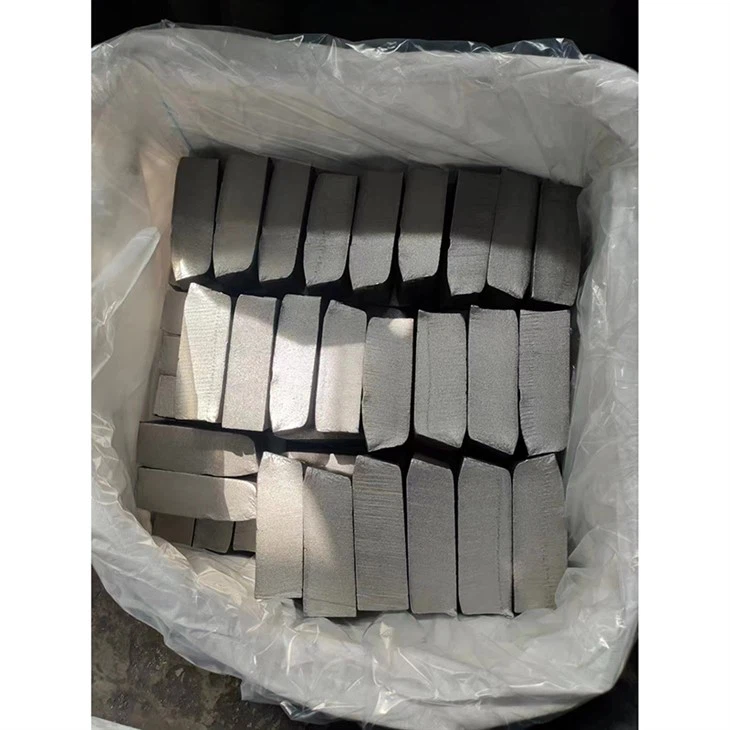
Pure iron is highly recyclable. At the end of its useful life in a product, the iron can be easily collected and returned to the furnace for reuse. Recycling pure iron requires significantly less energy compared to producing new iron from iron ore. According to research, recycling iron can save up to 75% of the energy needed for primary iron production. When we use pure iron in furnaces, we are contributing to a circular economy. Scrap iron, which is often a by - product of manufacturing or end - of - life products, can be melted down in furnaces to produce new iron products. This not only conserves natural resources but also reduces the amount of waste sent to landfills. You can find more information about iron recycling and our Iron Scrap offerings on our website.
Reduced Emissions of Harmful Substances
Compared to some other metals and alloys, pure iron produces fewer harmful emissions during the melting process in a furnace. When impure iron or alloys containing various elements are melted, there is a risk of releasing toxic substances such as heavy metals and volatile organic compounds (VOCs). In contrast, pure iron has a more straightforward chemical composition, which means that the chances of emitting harmful pollutants are minimized. For example, in the case of low - grade iron ores that contain high levels of sulfur and phosphorus, their melting can lead to the release of sulfur dioxide and other pollutants. Using pure iron reduces the environmental impact in terms of air pollution and the associated health risks for workers and nearby communities.
Negative Environmental Impacts
High Energy Consumption in Production
Although pure iron offers energy - efficiency benefits during furnace use, its production from iron ore is an energy - intensive process. The extraction of iron ore from mines, followed by the reduction and purification steps to obtain pure iron, requires large amounts of fossil fuels. Coal is commonly used in the blast furnace process to reduce iron ore to iron. The combustion of coal releases significant amounts of carbon dioxide (CO₂), a major greenhouse gas. In addition, the mining operations for iron ore can cause extensive environmental damage, including deforestation, soil erosion, and water pollution. The high energy demand in the production phase of pure iron can offset some of the energy - saving advantages gained during its use in furnaces.
Water Pollution
The production and use of pure iron in furnaces can also lead to water pollution. In the iron - making process, water is used for cooling and as a medium for various chemical reactions. This water can become contaminated with heavy metals, such as iron itself, as well as other impurities. If not properly treated, the wastewater can be discharged into rivers, lakes, or groundwater, causing harm to aquatic ecosystems. Additionally, the disposal of slag, a by - product of iron production, can also pose a risk to water quality. Slag contains various minerals and metals, and if it leaches into water sources, it can change the pH and chemical composition of the water.
Land Use and Habitat Destruction
The mining of iron ore, which is the primary source of raw material for pure iron production, requires large areas of land. Mines can disrupt natural habitats, displace wildlife, and cause long - term damage to the ecosystem. The construction of mining infrastructure, such as roads, processing plants, and storage facilities, further contributes to land degradation. Moreover, the waste generated from mining operations, such as tailings, takes up additional land space. These tailings can be a source of environmental pollution if not managed properly.
Mitigating the Environmental Impacts
Technological Innovations
To address the high energy consumption in pure iron production, the industry is investing in technological innovations. New smelting processes are being developed that use alternative energy sources, such as hydrogen or electricity from renewable sources. These processes have the potential to significantly reduce greenhouse gas emissions. For example, the use of hydrogen as a reducing agent in the iron - making process can produce water as a by - product instead of CO₂. Additionally, advanced furnace designs are being introduced to improve energy efficiency during the melting and processing of pure iron.
Wastewater Treatment
To prevent water pollution, proper wastewater treatment systems should be in place. Furnace operators need to ensure that the wastewater is treated to remove heavy metals and other contaminants before it is discharged. Advanced treatment technologies, such as reverse osmosis and ion exchange, can be used to purify the water. Recycling the treated water within the furnace operation can also reduce the overall water consumption and further minimize the environmental impact.
Sustainable Mining Practices
Mining companies are increasingly adopting sustainable mining practices to reduce the environmental impact of iron ore extraction. This includes reforestation and habitat restoration programs at mine sites. Additionally, better waste management techniques are being implemented to reduce the amount of waste generated and to ensure that tailings are stored safely. By promoting sustainable mining, we can minimize the land use and habitat destruction associated with pure iron production.
Conclusion
As a supplier of Low Carbon Pure Iron and Pure Iron Forgings, I believe that while using pure iron in furnaces has both positive and negative environmental impacts, the industry has the responsibility to mitigate the negative effects. By leveraging technological advancements, implementing proper environmental management practices, and promoting sustainable production and consumption, we can make the use of pure iron in furnaces more environmentally friendly.
If you are interested in learning more about our furnace material pure iron products or have any questions regarding their environmental impact, please feel free to reach out to us. We are more than happy to discuss your specific requirements and how our products can meet your needs while minimizing the environmental footprint.
References
- "The Energy Efficiency of Iron and Steel Recycling." World Steel Association.
- "Environmental Impacts of Iron Ore Mining." Journal of Environmental Management.
- "Technological Innovations in the Iron - Making Industry." International Journal of Metallurgy.