


In the dynamic landscape of modern industry, raw iron stands as a fundamental cornerstone, underpinning countless applications across multiple sectors. As a committed raw iron supplier, I've witnessed firsthand the relentless drive within the industry for innovation and enhancement in raw iron technology. In this blog post, we'll delve into the key research and development (R&D) efforts shaping the future of raw iron production and quality.
1. Purity Enhancement
One of the most prominent R&D focuses in raw iron technology is the pursuit of higher purity levels. High - quality raw iron with minimal impurities is crucial for industries such as aerospace, electronics, and high - precision machinery.
Traditional iron - making processes often result in the presence of various impurities like sulfur, phosphorus, and non - metallic inclusions. These impurities can significantly affect the mechanical and chemical properties of iron products. For example, sulfur can reduce the ductility and weldability of iron, while phosphorus can increase its brittleness.
To address these issues, researchers are exploring advanced refining techniques. One such method is the use of vacuum refining. By subjecting molten iron to a vacuum environment, volatile impurities can be effectively removed. This process not only reduces the sulfur and phosphorus content but also helps in eliminating trace amounts of other harmful elements.
Another approach is the development of new flux materials. Fluxes are substances added during the smelting process to react with impurities and form slag, which can then be easily separated from the molten iron. Scientists are working on formulating fluxes with higher reactivity and selectivity, enabling more efficient impurity removal.
Our company offers High - Purity Iron, which is a testament to these R&D efforts. With extremely low impurity levels, it meets the stringent requirements of high - end industries.
2. Energy Efficiency and Environmental Sustainability
In an era of increasing environmental awareness and energy scarcity, the iron and steel industry is under intense pressure to reduce its energy consumption and environmental impact. R&D in raw iron technology is actively focusing on achieving these goals.
One major area of research is the improvement of iron - making processes to reduce energy input. The traditional blast furnace process, which is widely used for iron production, consumes a large amount of coke and energy. Researchers are exploring alternative iron - making routes, such as direct reduction processes. In direct reduction, iron ore is reduced to metallic iron without melting, using reducing agents like natural gas or coal gas. This process can significantly reduce energy consumption and greenhouse gas emissions compared to the blast furnace process.
Another aspect is the recycling and reuse of iron - containing waste materials. Every year, a large amount of iron - rich waste is generated from the steel industry, such as steelmaking slags and dust. R&D efforts are underway to develop technologies for extracting iron from these waste materials efficiently. For example, some researchers are using magnetic separation and chemical leaching methods to recover iron from steelmaking slags. This not only reduces the reliance on virgin iron ore but also minimizes the environmental pollution caused by waste disposal.
We are committed to sustainable development. Our Pure iron material is produced using processes that prioritize energy efficiency and environmental protection, contributing to a greener future for the industry.
3. Microstructure and Property Control
The mechanical, physical, and chemical properties of raw iron are closely related to its microstructure. Therefore, controlling the microstructure of raw iron is a key R&D area.
Researchers are using advanced alloying techniques to modify the microstructure of iron. By adding small amounts of alloying elements such as nickel, chromium, and manganese, the strength, toughness, and corrosion resistance of iron can be significantly improved. For example, the addition of nickel can enhance the ductility and toughness of iron, making it suitable for applications in high - stress environments.
In addition, heat treatment processes are also being refined to optimize the microstructure of raw iron. Heat treatment involves heating and cooling the iron at specific rates and temperatures to achieve the desired phase transformation and microstructure. New heat treatment methods, such as rapid heating and cooling techniques, are being developed to produce ultra - fine grained microstructures, which can offer superior mechanical properties.
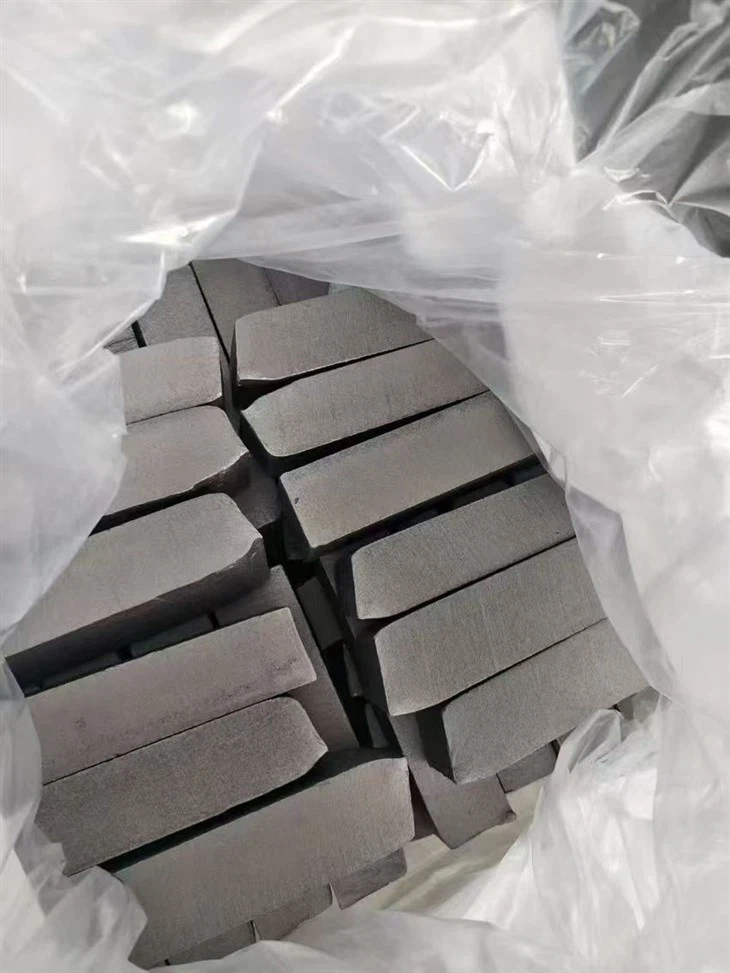
Our Armco Melting Pure Iron is processed with advanced alloying and heat treatment technologies, ensuring excellent and consistent material properties for various applications.

4. Nanotechnology in Raw Iron
The application of nanotechnology in raw iron is an emerging research area with great potential. Nanoscale materials often exhibit unique physical and chemical properties compared to their bulk counterparts.
In the context of raw iron, researchers are exploring the synthesis and application of iron - based nanomaterials. For example, iron nanoparticles can have enhanced magnetic properties, which can be used in magnetic storage devices, magnetic sensors, and biomedical applications.
Another aspect is using nanotechnology to improve the surface properties of raw iron. By depositing nanoscale coatings on the surface of iron, the corrosion resistance, wear resistance, and catalytic activity can be significantly enhanced. These nanocoatings can be made of materials such as ceramic, polymer, or metal oxides.
5. Integration of Automation and Digitalization
In modern raw iron production, the integration of automation and digitalization is becoming increasingly important. R&D efforts are focusing on developing intelligent production systems that can optimize the entire iron - making process.
Automation technologies, such as robotic arms and automated control systems, are being used to replace manual labor in dangerous and repetitive tasks. This not only improves the safety of the production process but also enhances the accuracy and efficiency of operations.
Digitalization enables real - time monitoring and control of the iron - making process. Sensors are installed throughout the production line to collect data on parameters such as temperature, pressure, and chemical composition. Advanced data analytics and machine learning algorithms are then used to analyze this data and make informed decisions, optimizing the process parameters and ensuring product quality.
As a raw iron supplier, we are at the forefront of these technological advancements. We continuously invest in R&D to offer our customers the highest - quality raw iron products. Whether you are in the automotive industry, construction sector, or any other field that requires raw iron, our products can meet your specific needs. If you are interested in our raw iron products or want to discuss your specific requirements, we welcome you to contact us for a procurement negotiation. We are committed to providing you with the best - in - class products and services.
References
- Smith, J. (2020). "Advanced Iron - Making Technologies: A Review". Journal of Metallurgical Engineering, 15(2), 67 - 82.
- Johnson, R. (2021). "Nanoscale Applications in Iron and Steel Industry". Nano Research, 22(3), 123 - 138.
- Brown, A. (2019). "Energy - Efficient Iron Production Processes". Energy and Environmental Science, 12(4), 901 - 915.