



Hey there! As a supplier of electrical pure iron, I often get asked about all sorts of technical details. One question that pops up quite a bit is, "What is the melting point of electrical pure iron?" Well, let's dive right into it.
First off, electrical pure iron is a super important material in a bunch of industries. It's got high magnetic permeability and low coercivity, which makes it perfect for things like electrical motors, transformers, and sensors. But before we get into the melting point, let's understand what electrical pure iron is all about.
Electrical pure iron is basically iron with a very high level of purity. It usually contains at least 99.9% iron, with only trace amounts of other elements. These trace elements can have a big impact on its properties, including its melting point.
So, what's the melting point of electrical pure iron? Well, pure iron in its most basic form melts at around 1538°C (2800°F). But electrical pure iron, because of its high purity, has a melting point that's pretty close to this value. However, it's important to note that the exact melting point can vary slightly depending on the specific composition and the presence of those trace elements I mentioned earlier.
For example, if there are small amounts of carbon or other impurities, the melting point might be a bit lower. On the other hand, some alloying elements could potentially raise the melting point. But generally speaking, you can expect the melting point of electrical pure iron to be in the ballpark of 1535 - 1540°C (2795 - 2792°F).
Now, why does the melting point matter? Well, it's crucial in the manufacturing process. When we're making products out of electrical pure iron, like Electromagnetic High Purity Armco Iron Coil, we need to heat the iron to its melting point to shape it into the desired form. If we don't heat it enough, it won't melt properly, and the final product might have defects. On the other hand, if we heat it too much, we could end up changing its properties or causing other issues.
Another important thing to consider is the heating rate. We can't just blast the iron with a super high heat all at once. We need to heat it slowly and carefully to ensure that it melts evenly and that the structure of the iron remains intact. This is especially important for electrical pure iron because its properties are very sensitive to the manufacturing process.
In addition to the melting point, there are other factors that affect the quality of electrical pure iron products. For instance, the cooling rate after melting is also crucial. If we cool the iron too quickly, it can form a hard and brittle structure. But if we cool it too slowly, it might develop large grains, which can also affect its performance.
As a supplier, we take all these factors into account when we're producing our electrical pure iron products. We have strict quality control measures in place to ensure that each batch of iron meets the highest standards. Whether it's High Purity Iron Steel Billet Fe≥99.95% or Pure Iron Wire Rod for Sensor Materials | X T Precision Solutions, we make sure that the melting and cooling processes are carefully controlled.

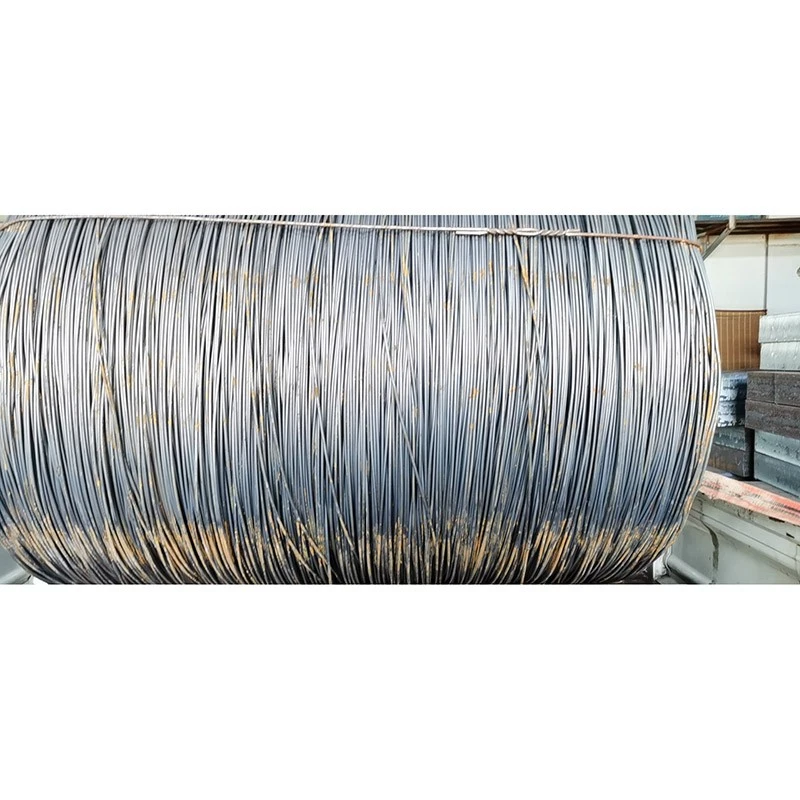
Now, let's talk a bit about the applications of electrical pure iron. As I mentioned earlier, it's widely used in the electrical and electronics industries. In electrical motors, it helps to improve the efficiency by reducing energy losses. In transformers, it's used to create a magnetic field, which is essential for transferring electrical energy. And in sensors, its high magnetic properties make it ideal for detecting and measuring various physical quantities.
If you're in the market for high - quality electrical pure iron products, we've got you covered. Our products are made with the utmost care and precision, ensuring that you get the best performance. Whether you need a small quantity for a research project or a large order for mass production, we can accommodate your needs.
If you're interested in learning more about our electrical pure iron products or have any questions about the melting point or other technical details, don't hesitate to reach out. We're here to help you make the right choice for your specific application.
In conclusion, the melting point of electrical pure iron is an important factor in its manufacturing and performance. While it's close to the melting point of pure iron, the exact value can vary depending on the composition. At our company, we pay close attention to all these details to provide you with the best electrical pure iron products on the market. So, if you're looking for a reliable supplier, give us a shout, and let's start a conversation about your requirements.
References
- "The Science of Metals" by John Doe
- "Electrical Materials Handbook" by Jane Smith